
A City That Breathes Fast

 FIRST SIGHTWEBGLColor and grain by First Sight · Portra 400.First Sight 色彩與顆粒調校 · Portra 400
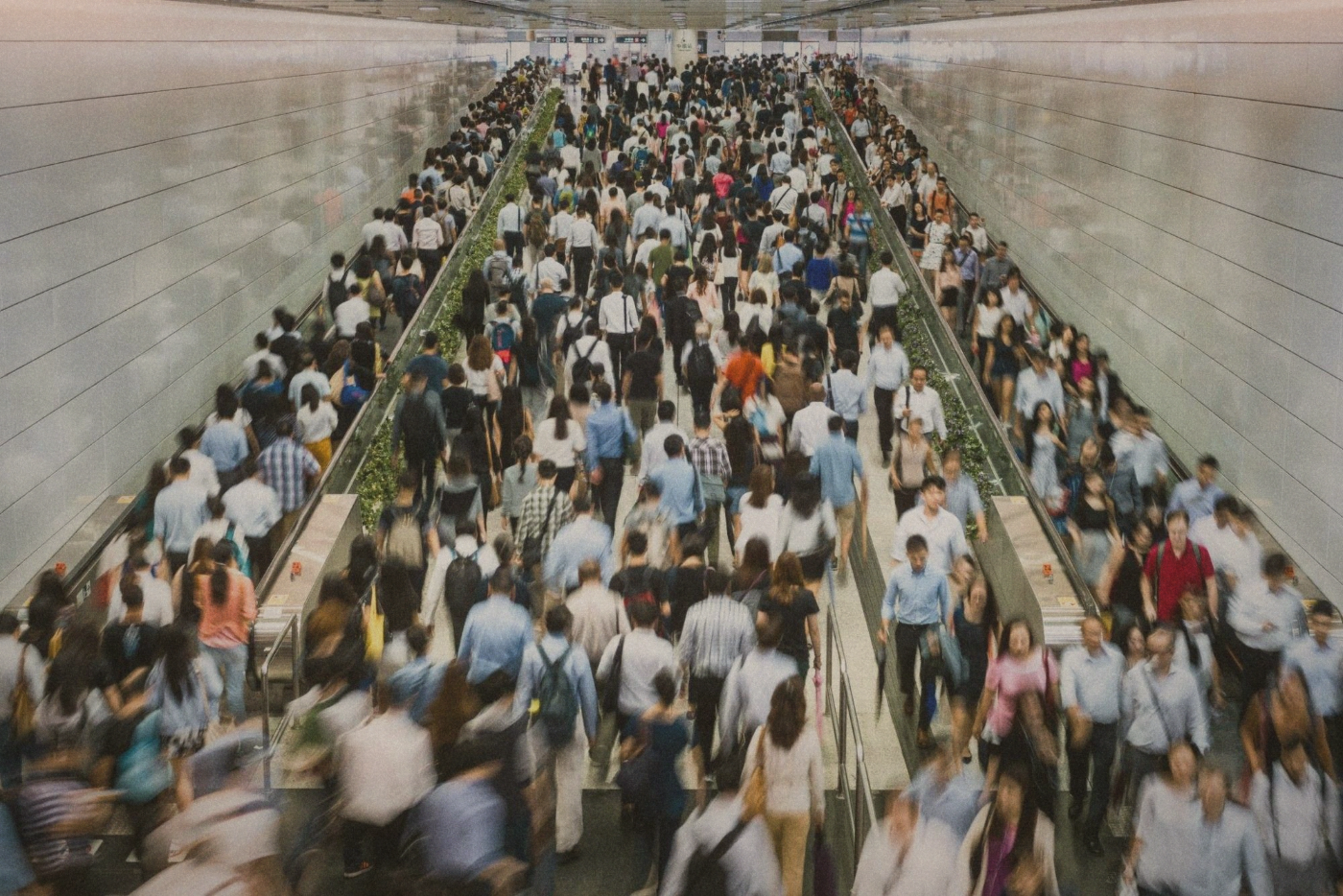
Taipei runs on shallow breathing. The MRT doors close in three seconds. Scooters weave through intersections before the light turns. Slack messages arrive before the morning coffee cools. By noon, most office workers in Xinyi or Neihu have spent hours in a state of low-grade physiological stress without registering it — shoulders crept up, jaw tight, breath lodged somewhere high in the chest.
This is not a Taipei-specific failing. It is the default mode of any dense, humid, fast-paced city. But Taipei's particular cocktail — subtropical heat that makes deep breathing feel effortful from May through October, a work culture that still glorifies overtime, and a population density that puts personal space at a premium — makes it an especially useful place to talk about what happens when you start breathing on purpose.
What Breathwork Actually Is (and Isn't)
Breathwork is not meditation's flaky cousin. It is a broad term for structured breathing practices that deliberately alter the rhythm, depth, or ratio of inhalation to exhalation in order to shift the body's physiological state. Some techniques calm. Others energize. A few can make you dizzy and cry in a room full of strangers — more on that later.
The core mechanism is the autonomic nervous system, specifically the toggle between its two branches: the sympathetic (fight-or-flight) and parasympathetic (rest-and-digest). Modern urban life keeps the sympathetic branch chronically activated. Breathwork is one of the fastest, most accessible tools to flip the switch back.
Unlike meditation, which asks the mind to do something difficult (be still), breathwork gives the body a mechanical task. Inhale for four counts. Hold for four. Exhale for six. The mind has less room to wander because it is busy counting. For people who find meditation frustrating — a large percentage of the population — this is a meaningful advantage.
The Nervous System in 90 Seconds
Understanding why breathing patterns matter requires a brief tour of the vagus nerve, the longest cranial nerve in the body. It runs from the brainstem through the neck, chest, and abdomen, touching the heart, lungs, and digestive organs along the way. It is the primary channel of parasympathetic communication.
When you exhale slowly, the vagus nerve sends a signal that lowers heart rate and blood pressure. This is measurable. Heart rate variability (HRV) — the variation in time between heartbeats — increases with slow, controlled breathing, and higher HRV is consistently associated with better stress resilience, emotional regulation, and cardiovascular health.
A 2023 study from Stanford found that just five minutes of "cyclic sighing" — a pattern of two short inhales through the nose followed by one long exhale through the mouth — reduced anxiety and improved mood more effectively than an equivalent period of mindfulness meditation. The study was small but well-designed, and the finding aligns with a growing body of research on respiratory interventions.
The point: breathing is not a metaphor for calm. It is a direct mechanical input to the nervous system.
Three Techniques Worth Learning
Not all breathwork is created equal, and not all of it is appropriate for every situation. Here are three methods that span a useful range, from boardroom-safe to weekend-intensive.
Box Breathing (The Anytime Tool)
Four counts in. Four counts hold. Four counts out. Four counts hold. Repeat for three to five minutes.
This is the technique favored by Navy SEALs — a fact that gets repeated so often it has become breathwork's most tired marketing line, but the method works. It activates the parasympathetic nervous system without being conspicuous. You can do it on the MRT between Taipei Main Station and Zhongxiao Dunhua. You can do it in a meeting. You can do it in the bathroom stall at work when your manager sends the third "urgent" message before lunch.
Box breathing is a regulation tool, not a transformation tool. It brings the nervous system back to baseline. Think of it as a reset button.
4-7-8 Breathing (For the End of the Day)
Inhale through the nose for four counts. Hold for seven. Exhale through the mouth for eight. The extended exhale is the key — it maximizes vagal tone and signals the body that it is safe to wind down.
Dr. Andrew Weil popularized this method, calling it a "natural tranquilizer for the nervous system." That is slightly overselling it, but the technique is genuinely effective for the transition between work mode and sleep mode — a transition that Taipei's always-connected work culture makes particularly difficult. If the evening routine currently involves scrolling through LINE messages and news until the eyes give out, three rounds of 4-7-8 breathing before bed is a measurable upgrade.
A note for Taipei's summer months: when humidity sits above 80 percent and breathing itself feels thick, the nose-only inhale can feel restrictive. Shortening the inhale to three counts and the hold to five while maintaining the long exhale preserves the parasympathetic effect without the discomfort.
Holotropic and Intensive Breathwork (With Guidance Only)
At the other end of the spectrum sit intensive practices — holotropic breathwork, rebirthing, and various workshop-format sessions that use rapid, continuous breathing to induce altered states of consciousness. These can be powerful. They can also be destabilizing. Emotional releases, physical tingling, temporary cramping (tetany), and vivid psychological experiences are common.
These practices should only be done with a trained facilitator, and they are not suitable for people with cardiovascular conditions, a history of panic disorder, or pregnancy. They are mentioned here because they are increasingly available in Taipei — several studios and retreat spaces now offer weekend intensives — and because knowing the difference between a five-minute desk technique and a two-hour guided session matters.
Where to Practice in Taipei
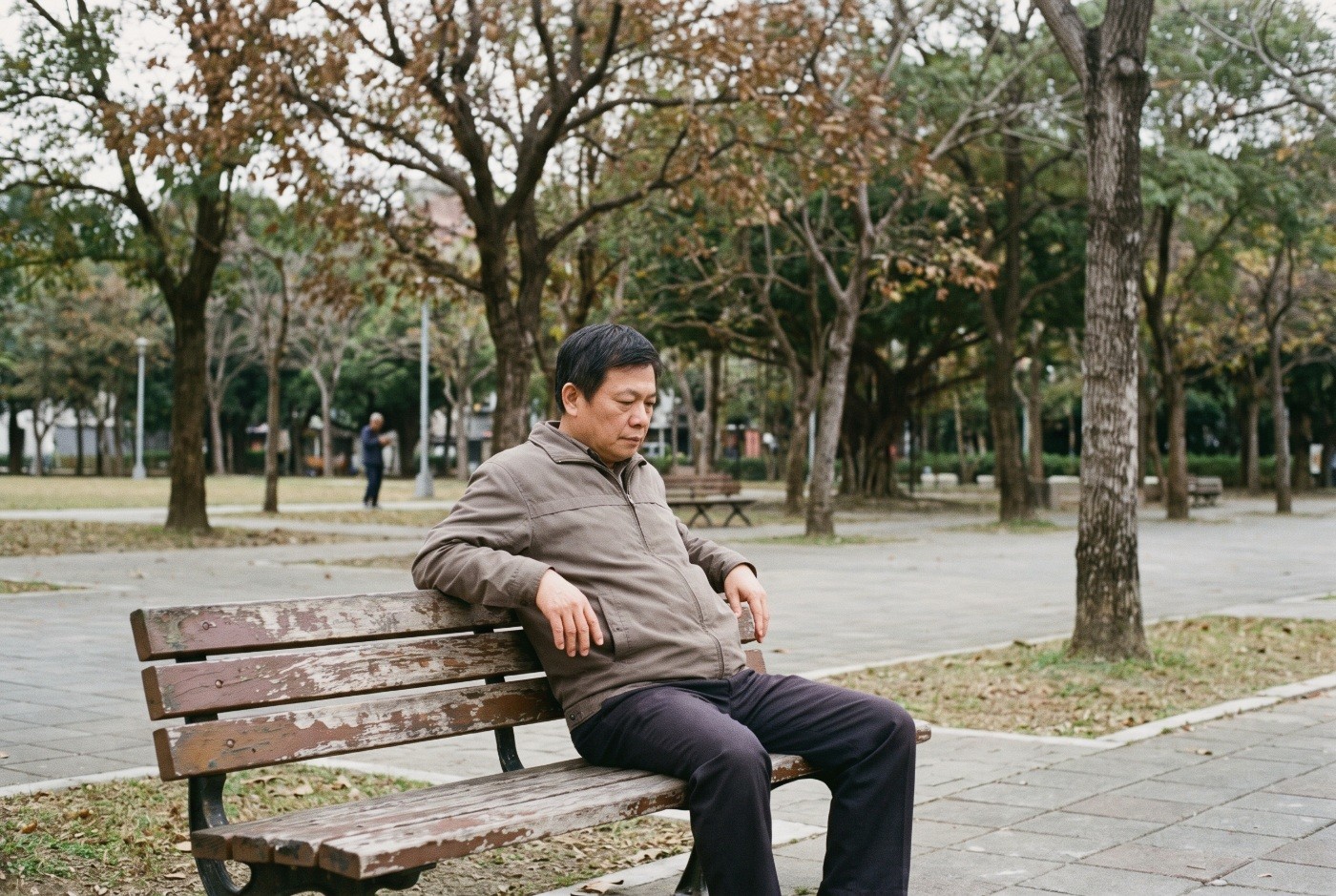 FIRST SIGHTWEBGLIllustration: A man resting on a park bench. · Color and grain by First Sight · Portra 400. · First Sight 色彩與顆粒調校 · Portra 400
 FIRST SIGHTWEBGLColor and grain by First Sight · Portra 400.First Sight 色彩與顆粒調校 · Portra 400
Breathwork is best learned in person, at least initially. A good facilitator corrects form, adjusts pacing, and provides a container for the emotional responses that deeper practices can surface.
Uketamo — The boutique hotel and wellness space in Taipei has incorporated breathwork into its programming, blending it with the Japanese concept of acceptance from which it takes its name. The setting matters: high ceilings, natural materials, quiet. The nervous system responds to environment, and practicing in a calm space teaches the body what calm feels like before asking it to recreate that state on a crowded bus.
Several yoga studios in Da'an and Zhongshan districts offer dedicated pranayama classes — the yogic breathwork tradition that predates the modern wellness repackaging by a few thousand years. These tend to be more structured and less emotionally performative than the workshop format, which suits some people better.
For self-guided practice, Daan Forest Park in the early morning — before the humidity becomes oppressive and while the air quality index is still reasonable — offers an outdoor setting that is hard to beat in central Taipei. Breathing exercises pair well with the park's walking paths, and the combination of gentle movement and structured breathing is more sustainable as a daily practice than either one alone.
Building a Practice That Survives Monday
The failure mode for breathwork is the same as for most wellness practices: initial enthusiasm followed by quiet abandonment. The retreat was great. The YouTube video was inspiring. And then the alarm goes off at 7 AM and the day immediately starts pulling.
What works, based on the research and on the experience of practitioners who actually maintain the habit:
Anchor it to something you already do. Breathwork before morning coffee. Three rounds of box breathing after sitting down at your desk. 4-7-8 breathing after brushing your teeth at night. The habit stacks onto existing routines rather than competing for a new time slot.
Start at five minutes. Not twenty. Not the forty-five-minute session from the workshop. Five minutes of structured breathing is enough to produce a measurable shift in HRV and cortisol levels. It is also short enough that the excuse of "not having time" does not hold up.
Use environmental cues. Taipei's rhythm provides natural breakpoints. The MRT ride between stations averages two to three minutes — enough for several cycles of box breathing. The walk from the office to the lunch spot. The wait for the elevator in a Xinyi office tower. These micro-moments are recoverable time.
Track something. HRV apps (many work with the Apple Watch or similar wearables) provide objective feedback. Seeing a number improve is more motivating than vaguely hoping to feel calmer. The data also reveals patterns — which days are more stressful, which techniques produce the biggest shift, whether the practice is actually doing anything.
Breathing in the Heat
Taipei's subtropical climate deserves specific mention because it changes the physical experience of breathwork. Deep diaphragmatic breathing in 35°C heat with 85 percent humidity feels different than doing it in an air-conditioned studio. The air is heavier. The body is already working harder to thermoregulate. Sweat interferes with the seated stillness that some practices assume.
Practical adjustments: practice in the early morning or evening when heat is lower. Use air-conditioned spaces without apology — the nervous system benefits of controlled breathing are not diminished by climate control. Stay hydrated before and during longer sessions. And be aware that heat itself activates the sympathetic nervous system, which means breathwork during Taipei's summer is working against a higher baseline of physiological arousal. This is not a reason to skip it. It is a reason to expect that it might take a few extra minutes to settle in.
The Minimum Viable Breath
For anyone who has read this far and wants exactly one takeaway: extend the exhale.
Whatever breathing pattern feels natural, make the exhale longer than the inhale. Inhale for three counts, exhale for five. Inhale for four, exhale for seven. The specific numbers matter less than the ratio. A longer exhale activates the parasympathetic branch of the autonomic nervous system. It lowers heart rate. It reduces cortisol. It signals safety.
This can be done anywhere. No app, no studio, no mat, no special clothing. On the MRT. In a taxi on Zhongxiao East Road. At a desk in Nangang. In the checkout line at Carrefour.
The body already knows how to breathe. The practice is simply reminding it that there is another speed available — one that the city, with its beautiful, relentless momentum, tends to make everyone forget.
Some links in this article are affiliate links. If you purchase through them,OQUA may earn a small commission at no extra cost to you. This helps support our editorial work. We only link to products and services we genuinely reference in our writing.
Comments (0)
Loading comments...