
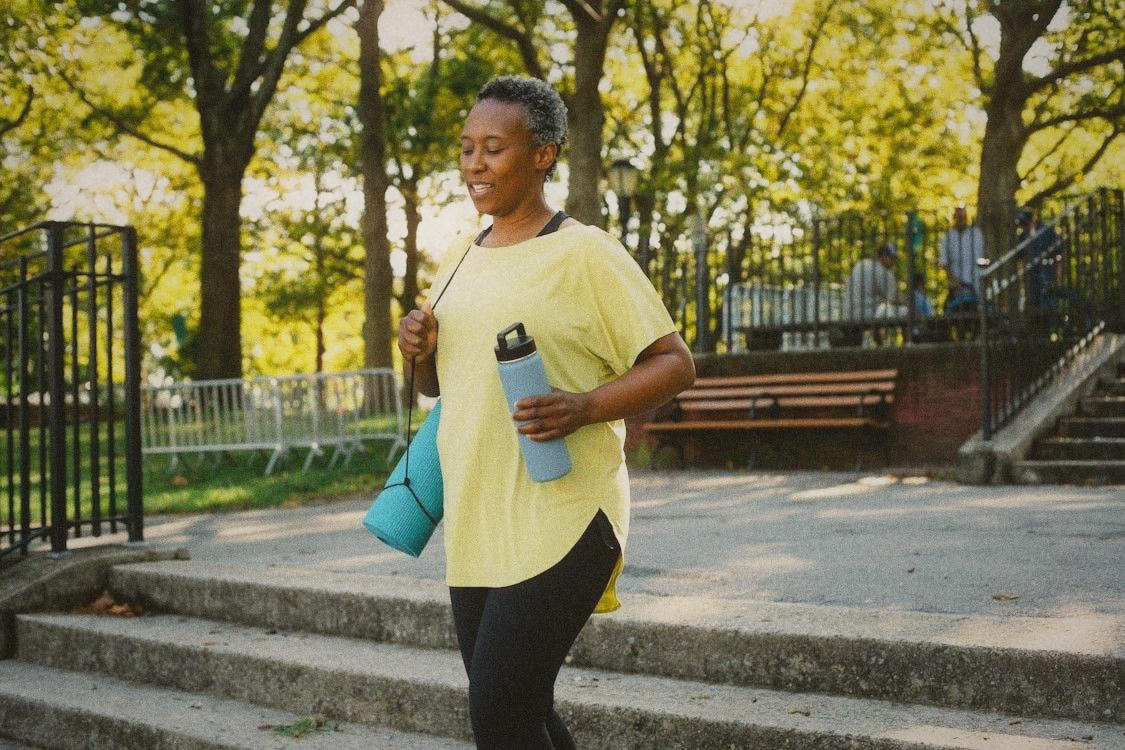
Every morning at 6:30, in towns all over Taiwan, grandmothers walk to the wet market. They argue with the vegetable vendor about sweet potato prices. They buy whatever's in season. They walk home. They sit with neighbors in the afternoon. They go to bed early. They don't own fitness trackers. They've never heard of VO2 max.
A lot of them live into their nineties.
The longevity research industry produces new studies faster than anyone can read them. New biomarkers, new supplements, new protocols, new influencers selling breathwork certifications. The noise is huge. But the signal, if you strip all that away, has been the same for decades: sleep enough, move your body, eat mostly plants, stay connected to other people. The wet market grandmothers figured this out without reading a single paper.
This guide lays out what the evidence actually says. No selling, no hype. And because longevity advice written for someone in Minnesota doesn't map cleanly onto life in a Taipei apartment in August, everything here is filtered through what works in Taiwan specifically.

 FIRST SIGHTWEBGLThe most powerful longevity interventions are also the simplest. Walking, sleeping, eating vegetables, talking to people. The research keeps confirming what your grandmother already knew. · Color and grain by First Sight · Portra 400. · First Sight 色彩與顆粒調校 · Portra 400
Sleep: the foundation everything else rests on
If you only do one thing from this entire guide, fix your sleep. The research on this has become so overwhelming that it's almost boring to cite. A 2025 study in eClinicalMedicine found that sleep's association with life expectancy is stronger than that of diet or exercise. Not slightly stronger. Substantially stronger.
Why does sleep matter so much? Your brain clears metabolic waste during deep sleep. Your body repairs tissue. Growth hormone pulses. Immune function resets. Mess with this consistently and everything else gets worse: thinking, metabolism, mood, heart health.
In Taiwan, sleep is hard. Culture runs late. Work bleeds into evenings. Bedrooms are too hot half the year unless you run the AC. And the noise: scooters at 2am, temple stuff at 5am, construction at 7am. If you live in any Taiwanese city, you know.
We have a full sleep guide (linked at the end), but the non-negotiables: room at 18-20°C (yes, run the AC in summer, the electricity bill is worth it), no screens 30 minutes before bed, and a consistent wake time even on weekends. The wake time matters more than when you go to bed. Your body clock anchors to when you get up.
Movement: the two things that matter most
The fitness world is noisy. New protocols, new apps, new certifications. Here's what the evidence actually supports for longevity, stripped to essentials.
Cardiorespiratory fitness (VO2 max)
VO2 max is how much oxygen your body can use during hard exercise. It drops about 10% per decade after 30. You don't need to be an athlete. You just need to decline slower than average, so you're still functional and independent in your seventies and eighties.
How: mostly Zone 2 cardio (steady, can-hold-a-conversation pace, about 80% of your training) plus some high-intensity intervals (the other 20%). Zone 2 keeps your mitochondria healthy. High intensity pushes your ceiling up.
A 2025 review did push back on some Zone 2 hype, pointing out that if you're already fairly fit, your cardio only improves at higher intensities. Fair point. Both matter. Zone 2 alone isn't enough. High intensity alone burns you out. Do both.
In Taiwan, Zone 2 is just walking fast. The Tamsui riverside paths, the loop around Da'an Forest Park, the canal paths in Tainan. Walk 45 minutes at a pace where you can talk but wouldn't want to sing. Three to four times a week. Done.
Strength training
Muscle mass declines roughly 3-8% per decade after 30, accelerating after 50. Not a vanity issue. Muscle is your metabolic reserve, your fall-prevention system, your glucose management tool, and your independence insurance policy for the decades when it matters most.
The best longevity-focused strength program is boring. Squats. Deadlifts (or hip hinges). Overhead press. Rows. Loaded carries. Three times a week, 45-60 minutes. Progressive overload, meaning you gradually increase the weight or difficulty over time. No fancy periodization needed unless you're training for sport.
In Taipei, every district has a 運動中心 (sports center) with a weight room. Monthly passes run NT$500-800. World Gym and Fitness Factory are everywhere for commercial options. Or do it at home with adjustable dumbbells and a pull-up bar. Your building's stairwell works for loaded carries, though your neighbors might have questions.
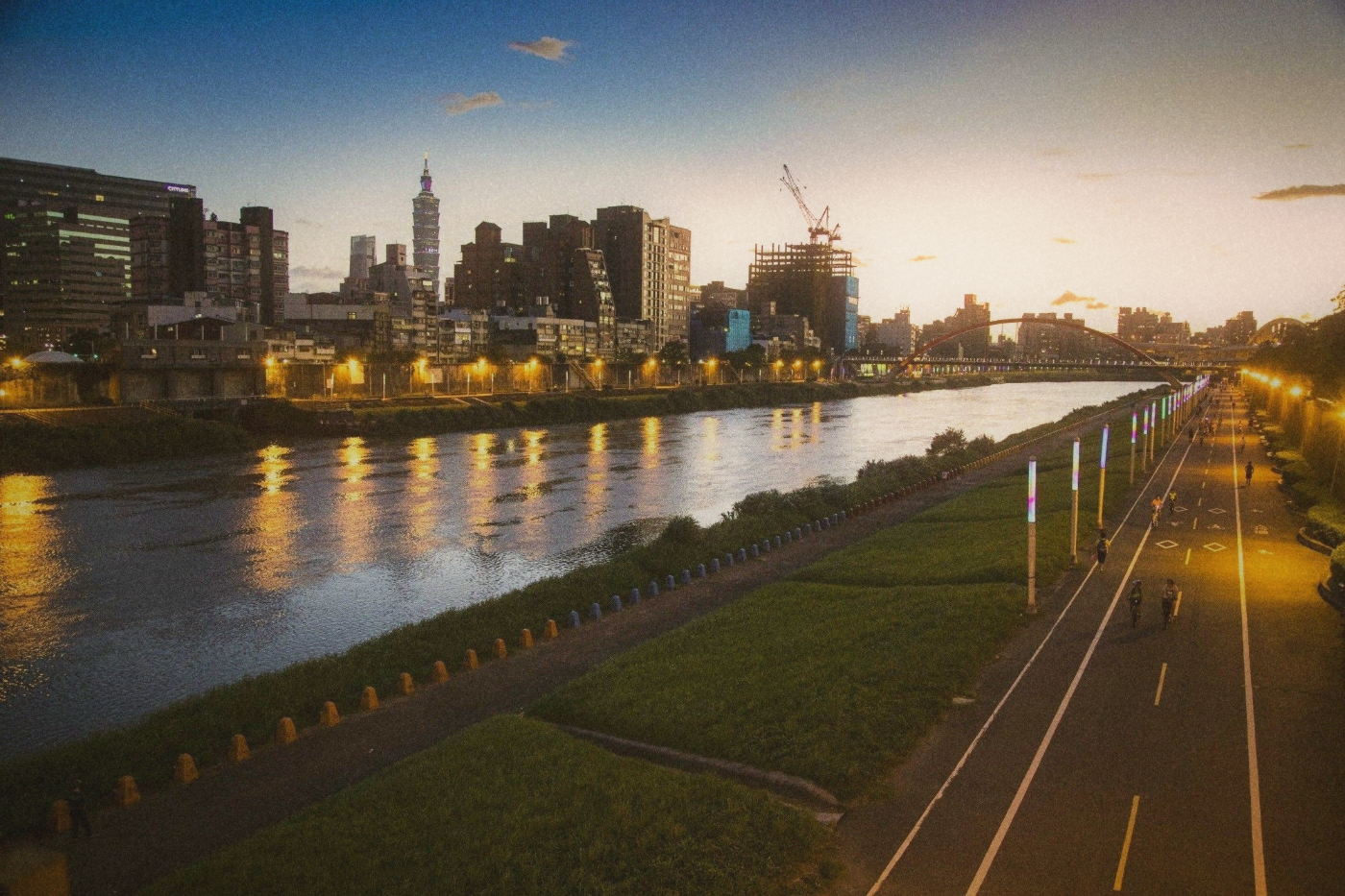 FIRST SIGHTWEBGLThe riverside paths in Taipei are longevity infrastructure hiding in plain sight. Forty-five minutes at a conversation pace, three to four times a week. That's the protocol. · Color and grain by First Sight · Portra 400. · First Sight 色彩與顆粒調校 · Portra 400
Nutrition: simpler than the industry wants you to believe
Nutrition gets overcomplicated on purpose. Every year there's a new villain (sugar, seed oils, lectins) and a new hero (keto, carnivore, Mediterranean). Read the actual meta-analyses instead of the headlines and the answer is boring:
The minimum daily improvements associated with measurably longer life. A 2025 Lancet-affiliated study found that even tiny improvements in these three areas, compounded over time, added roughly a year of life expectancy. You don't need a radical overhaul. You need to be slightly better, consistently.
Eat mostly plants. Eat enough protein (roughly 1.2-1.6g per kg of bodyweight, higher if you're strength training). Eat whole foods more often than processed ones. Don't drink your calories. That's essentially it.
The specific diet framework matters less than adherence. Mediterranean, traditional Japanese, traditional Taiwanese: they all share the same core (vegetables, fish, whole grains, legumes, limited processed food) and they all show similar longevity outcomes when people actually follow them.
Taiwan makes this absurdly easy. The wet markets sell vegetables that were in the ground yesterday. The fish markets in Keelung and Donggang move product from ocean to stall in hours. A bowl of braised greens from any 自助餐 costs NT$30. A piece of steamed fish at a market stall costs NT$80-120. The ingredients for a longevity-supportive diet are cheaper, fresher, and more accessible in Taiwan than in almost any Western country.
What Taiwan makes hard: the snack culture. Bubble tea. Night market fried everything. Convenience store 關東煮 at midnight. These aren't enemies, but they're easy to default to when cooking feels like too much effort after a long day. The fix isn't elimination. The fix is having a structure that makes the good stuff more convenient than the bad stuff. A rice cooker with a steamer tray. A bag of frozen edamame. A tin of good mackerel. These are your backup longevity meals.
Social connection: the underrated pillar
Social connection may matter as much as exercise for longevity. That makes some people uncomfortable, especially the ones who've optimized everything else. Loneliness and social isolation increase all-cause mortality by roughly 26-29%, comparable to smoking 15 cigarettes a day. This shows up in study after study.
Taiwan has structural advantages here that most Western countries don't. The neighborhood fabric is tighter. The 里長 (neighborhood warden) system creates community infrastructure. The morning exercise groups in every park. The evening walks around the block. The grandmothers who sit outside 7-Eleven and keep track of everyone's schedule.
But urban Taiwan is also increasingly lonely, especially for younger adults who moved to Taipei for work. If your social life is mostly your phone, that's worth paying attention to. Joining anything where you see the same faces weekly is one of the highest-return longevity moves available. A running club. A tea group. A cooking class. A 晨操 (morning exercise) group in the park. The sixty-year-olds doing tai chi are usually happy to have new people show up.
The protocol (what a longevity-focused week looks like)
ZONE 2 CARDIO: 3-4 sessions per week, 45 min each. Brisk walking, cycling, or swimming at conversational pace. Use Taipei's riverside paths, Da'an Forest Park, or a gym treadmill in summer when outdoor heat is punishing. STRENGTH: 3 sessions per week, 45-60 min. Squat, hinge, push, pull, carry. Progressive overload. Any 運動中心 or commercial gym, or at home with adjustable dumbbells. HIGH INTENSITY: 1 session per week, 20-30 min. Intervals on a bike, hill repeats, or stair climbs. This pushes VO2 max. Hard effort for 3-4 minutes, rest for 3-4 minutes, repeat 4-6 times. NUTRITION: Mostly plants, adequate protein, whole foods. Shop the wet market. Keep backup meals simple: steamed fish, rice, greens. Treat night market runs as what they are (fun, social, occasional) rather than dinner defaults. CONNECTION: See the same people weekly. Join something local. Talk to the 阿嬤 at the park. Call someone instead of texting. One real conversation per day that has nothing to do with work.*
What the supplements industry doesn't want you to hear
Most supplements don't work. The evidence for the vast majority of longevity supplements, including many of the ones with the most enthusiastic online communities, is either nonexistent, preliminary (cell studies and mouse models that haven't replicated in humans), or shows effects so small they're clinically meaningless.
There are exceptions. Vitamin D if you're deficient (common in people who work indoors, even in sunny Taiwan). Creatine for people over 50 who strength train. Omega-3 if you don't eat fish regularly. These have reasonable evidence. Everything else, the NMN, the resveratrol, the exotic mushroom extracts, is either unproven in humans or has effect sizes that make the cost absurd.
A common pattern: someone gets interested in longevity, spends NT$15,000 on supplements in the first year, then gradually realizes that vitamin D and creatine (roughly NT$300/month combined) are the only ones with solid evidence. The rest of that budget does more good spent on better food and a gym membership.
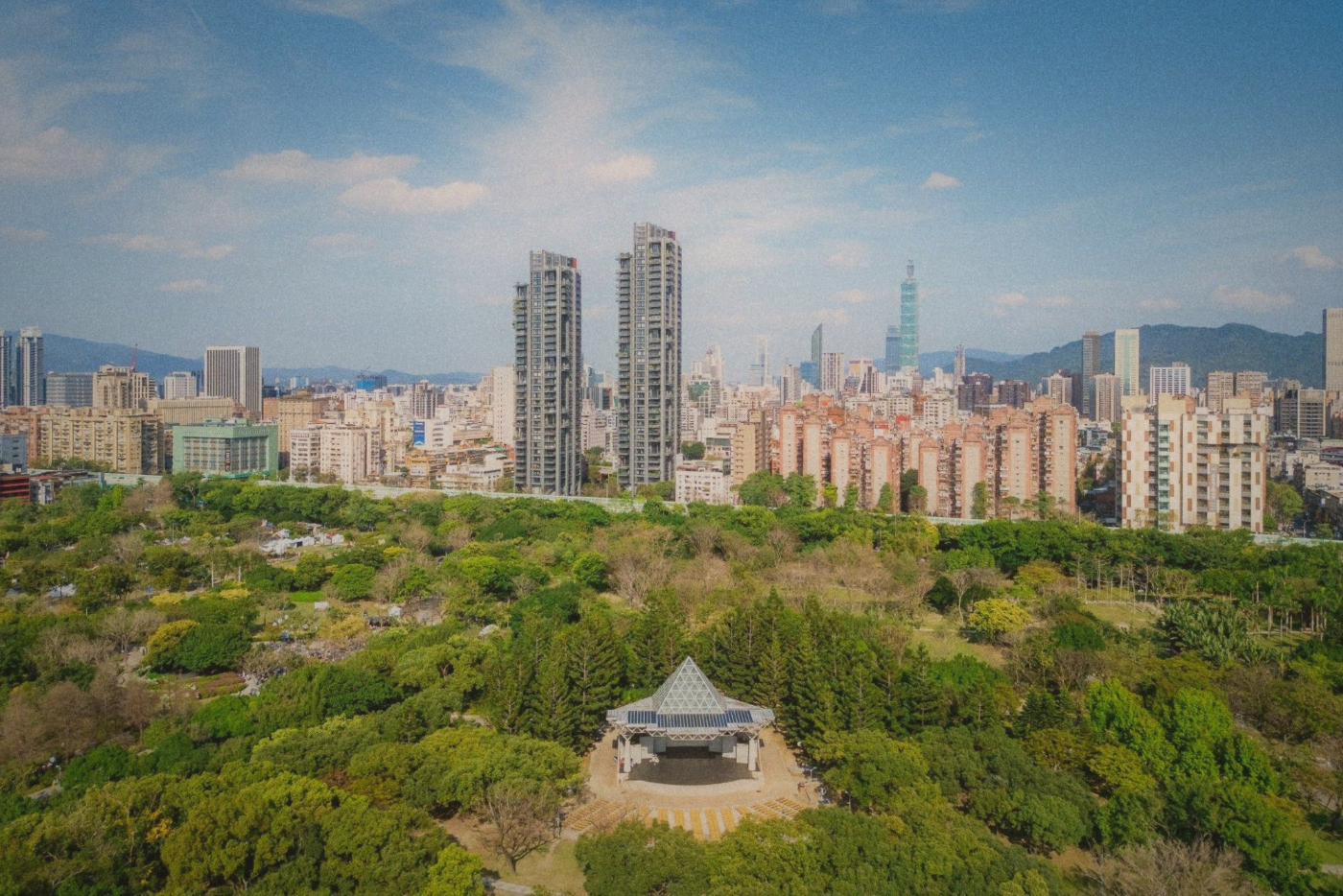 FIRST SIGHTWEBGLMorning in Da'an Forest Park. The tai chi practitioners, the joggers, the grandparents walking in pairs. Taiwan's parks are living longevity labs. · Color and grain by First Sight · Portra 400. · First Sight 色彩與顆粒調校 · Portra 400
The Taiwan advantage
Taiwan is, quietly, one of the better places on earth to practice longevity. Not because of any specific program or policy, but because of structure.
The wet market system puts fresh, seasonal food within walking distance of most neighborhoods. The 運動中心 network makes strength training accessible and affordable. The park infrastructure supports daily walking. The tea culture provides a built-in ritual for stillness. The neighborhood fabric, while eroding, still exists in ways that most developed countries have already lost.
The average life expectancy in Taiwan is now over 80 years. The gap between life expectancy and healthy life expectancy (the years lived with significant disability) is where the real work is. Living long is not the goal. Living well for as long as possible is.
The wet market grandmothers don't have a protocol. They have a life. Movement that isn't called exercise. Food that isn't called nutrition. Sleep that no device tracks. Community that no algorithm curates. The science keeps arriving at what they've been doing all along.
The basics work. Do them consistently. Everything else is noise.
Frequently Asked
Some links in this article are affiliate links. If you purchase through them,OQUA may earn a small commission at no extra cost to you. This helps support our editorial work. We only link to products and services we genuinely reference in our writing.
Comments (0)
Loading comments...