
Why does everyone in Taipei look vaguely miserable from June through September?
Walk around Zhongxiao East Road on a Tuesday afternoon in July. The humidity is 83%. The temperature reads 34 degrees, but the "feels like" number on your phone says 41. A woman in a linen dress is crossing the intersection looking perfectly fine. Behind her, a guy in a polyester polo has visible sweat patches spreading from his armpits to his ribs. Both left the house at the same time this morning. The difference is about NT$2,000 and a basic understanding of fabric.
The gap between comfortable and wrecked in a Taiwan summer is almost entirely material, not style. You don't need a new aesthetic. You need better cloth.
Taipei from June to September sits in the same humidity tier as Hong Kong and Singapore, regularly clearing 70% and peaking above 85% during the plum rain weeks of June. The heat index pushes past 40 degrees Celsius on unremarkable afternoons. And unlike desert heat, which at least has the decency to evaporate your sweat, Taiwan's air is so saturated that your body's cooling system basically stalls. You just marinate.
So the question is practical: how do you build a wardrobe that functions in this, without looking like you've given up and committed fully to athletic wear?
The fabrics that actually work
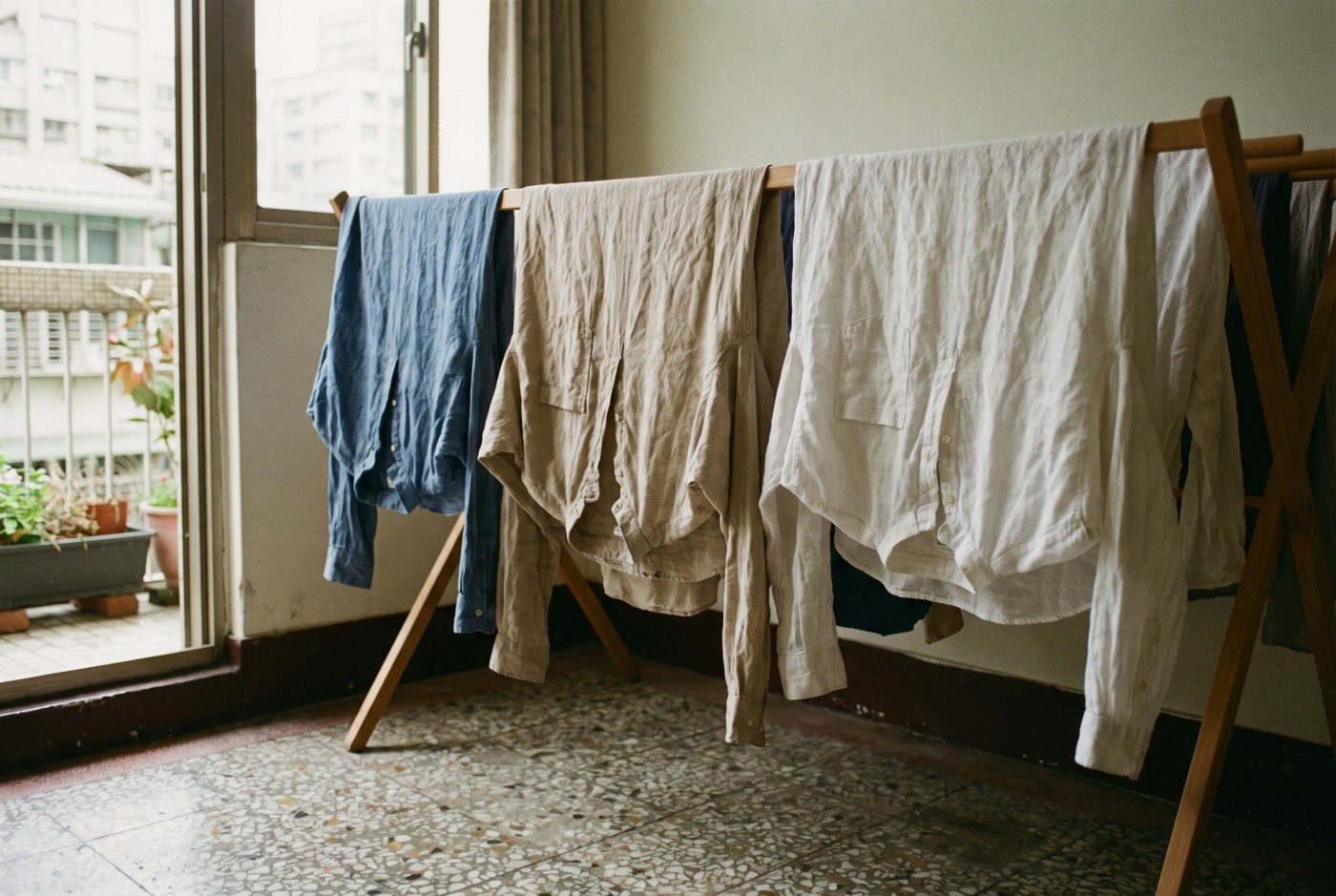
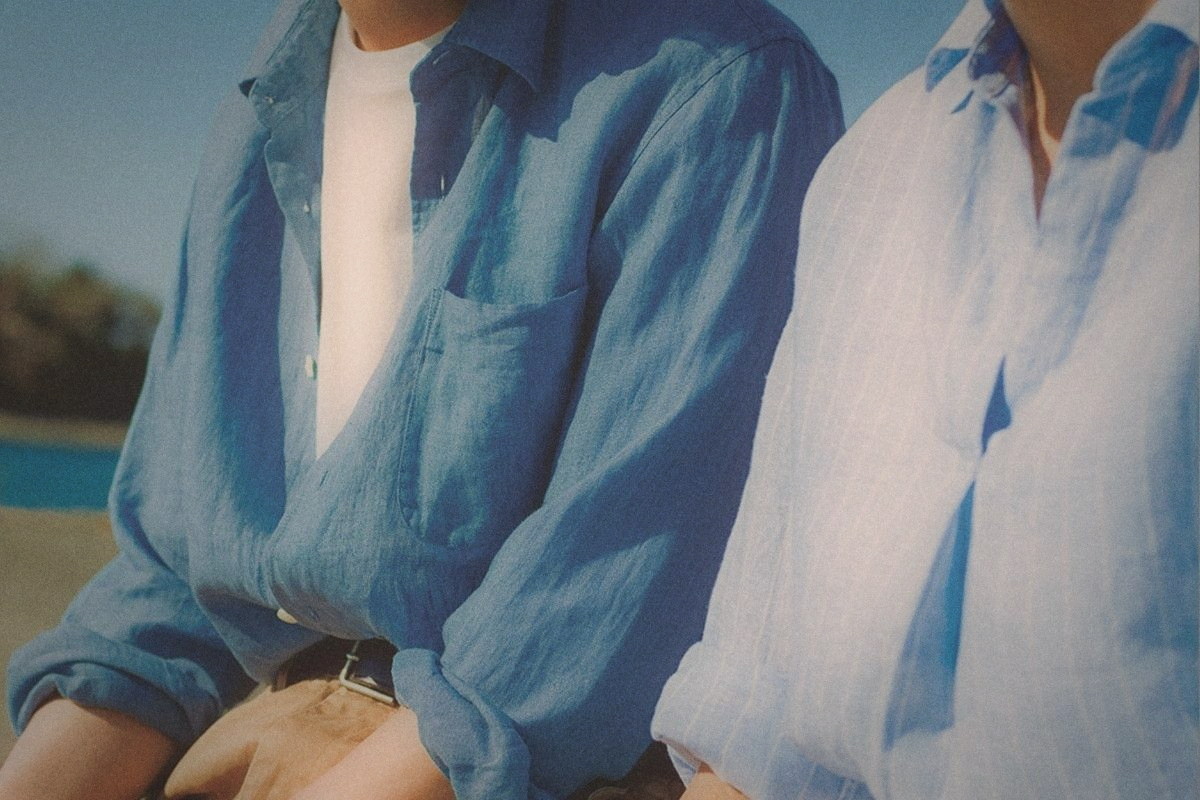
Linen is the obvious answer, and it's obvious because it's correct. Linen absorbs up to 20% of its own weight in moisture before it even starts to feel damp. Cotton taps out at roughly 7%. That gap is enormous when you're walking from the MRT to your office. Yes, linen wrinkles. A white linen shirt will look creased by noon. Nobody who lives here cares. Wrinkled linen reads as "I dressed well and then lived my life," which is the correct energy for a subtropical summer.
Tencel, also called Lyocell, is the less famous option that deserves more attention. It's made from eucalyptus wood pulp, absorbs 50% more moisture than cotton, and wicks it away about three times faster. It drapes beautifully, resists creasing better than linen, and feels cool against your skin in a way that's almost startling the first time. The downside: it's pricier, and you'll find it less often in fast fashion. WISDOM's Tencel crew-neck tee runs NT$3,480. Worth it for something you'll wear twice a week from May through October.
Then there's UNIQLO's AIRism line, which deserves its own paragraph because it's so widely available in Taiwan and so reliably good at its job. AIRism uses ultra-fine synthetic fibers engineered for quick-drying, contact cooling, and deodorization. The AIRism Cotton Oversized Tee at NT$590 (NT$390 during the annual 感謝祭 sale) is probably the best value-for-climate garment you can buy in Taiwan. Over 70 UNIQLO stores across the island. You can grab one during a lunch break.
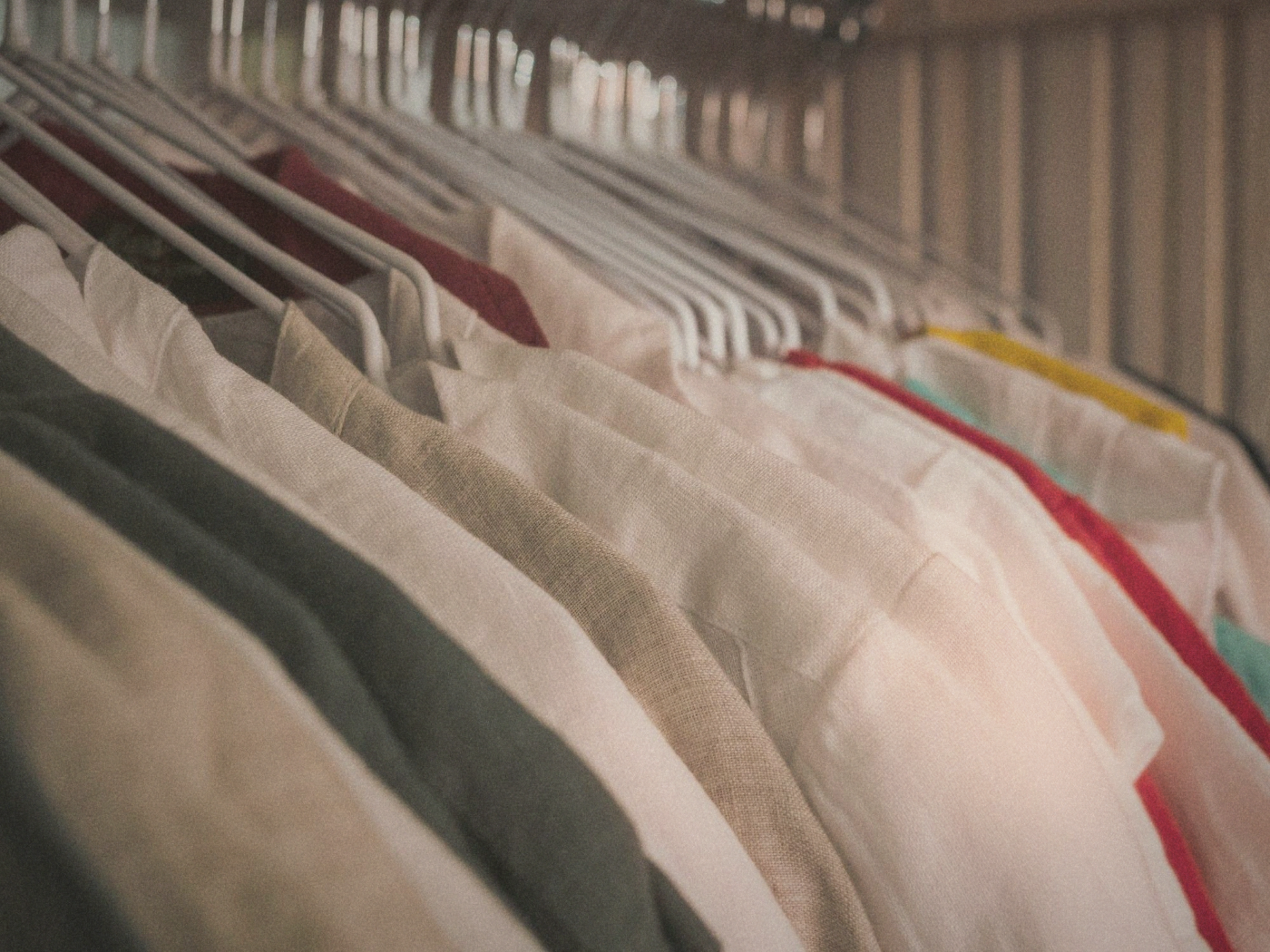
Cotton-linen blends split the difference between breathability and softness. Pure linen can feel coarse against sensitive skin, especially when new. A 60/40 cotton-linen blend gives you most of linen's airflow with a gentler hand feel. MUJI does these well, with linen-blend shirts around NT$990 to NT$1,490 for their 2026 spring-summer collection.
 FIRST SIGHTWEBGLColor and grain by First Sight · Portra 400.First Sight 色彩與顆粒調校 · Portra 400
 FIRST SIGHTWEBGLZhongshan District on a Saturday afternoon. The people who look comfortable have one thing in common: loose cuts, light fabrics, and zero polyester. · Color and grain by First Sight · Portra 400. · First Sight 色彩與顆粒調校 · Portra 400
Now, the fabrics to avoid. Polyester traps heat and holds odor. Nylon is the same story. Rayon and viscose feel silky in the store but collapse into a clammy second skin once you start sweating. Heavy denim is self-punishment. And any blazer with a polyester lining will turn your torso into a personal sauna within fifteen minutes of leaving air conditioning. If the label says 100% polyester and you're buying it for summer in Taiwan, you're making a mistake.
Dressing for the office (two climate systems)
Here's the real challenge. Taipei offices often keep the AC at 22 or 23 degrees. Outside it's 35. That's a 12-degree swing, sometimes more, and it happens every time you step through a door. People who don't plan for this spend their days either sweating or shivering, sometimes both within the same hour.
The solution is thinking of your outfit as two systems. The base layer handles the street. The desk layer handles the office. A breathable Tencel or AIRism tee, an untucked linen button-down with the sleeves loosely rolled, wide-leg cotton-linen chinos or Tencel tapered pants. That's the street version. At your desk, add a thin knit cardigan or a linen one. GU sells lightweight cardigan jackets for NT$690 to NT$790, which is low enough to keep one at the office permanently without feeling wasteful.
The French tuck works here, by the way. Fully tucked in summer looks rigid and traps heat around your waist. Fully untucked is better for airflow. But if your office has any dress expectations at all, a loose front tuck signals "I acknowledge this is a workplace" without committing to formality. For the rare occasion that demands a blazer, an unstructured linen one is the only option that won't destroy you. No padding, no lining. It should feel like putting on a shirt with lapels.
Weekends and walking around
The weekend wardrobe is where you can lean into comfort without looking like you're headed to the gym. A camp-collar short-sleeve shirt in linen or a cotton-linen blend is the backbone piece. It's relaxed but intentional. Pair it with technical shorts that have some structure to them, not basketball shorts, not cargo shorts from 2004. Something with a clean cut and a fabric that dries fast after a surprise rain shower.
 FIRST SIGHTWEBGLColor and grain by First Sight · Portra 400.First Sight 色彩與顆粒調校 · Portra 400
For women, a linen or Tencel midi dress does roughly everything. It's a single piece that handles brunch, a museum visit, window shopping in 赤峰街, and dinner without needing to change. The best ones have a loose cut that lets air circulate and a weight that keeps the fabric from clinging when you sweat. oqLiq, a Tainan-based brand that designs explicitly for humid urban climates, makes pieces in this zone. Their pants run NT$5,280 to NT$6,580 and their tees NT$2,500 to NT$3,500. Not cheap, but the brand showed at London Fashion Week and holds GRS and Bluesign certifications for sustainability. The quality matches.
Shoes and rain (the part nobody thinks about until it's too late)
Taiwan's summer includes typhoon season. Even without a full typhoon, afternoon thunderstorms are almost daily from June through August. The tile sidewalks that cover most of Taipei become genuinely dangerous when wet. Smooth leather soles and suede are disasters waiting to happen. One rain shower will ruin suede shoes, and the humid air will keep them from drying properly for days.
You need three pairs of shoes for summer rotation. Leather or rubber sandals with real grip for casual days. Breathable mesh trainers for anything that involves walking distance. And waterproof slip-ons for days when the forecast shows rain, which is most days. This doesn't mean your shoes need to be ugly. It means they need to function.
And the cheapest backup in the country: the NT$35 convenience store rain poncho. Every 7-Eleven, FamilyMart, and Hi-Life stocks them. Fold one into your bag permanently from May through September. It takes up almost no space and prevents the specific misery of arriving somewhere drenched.
Where to actually shop this stuff
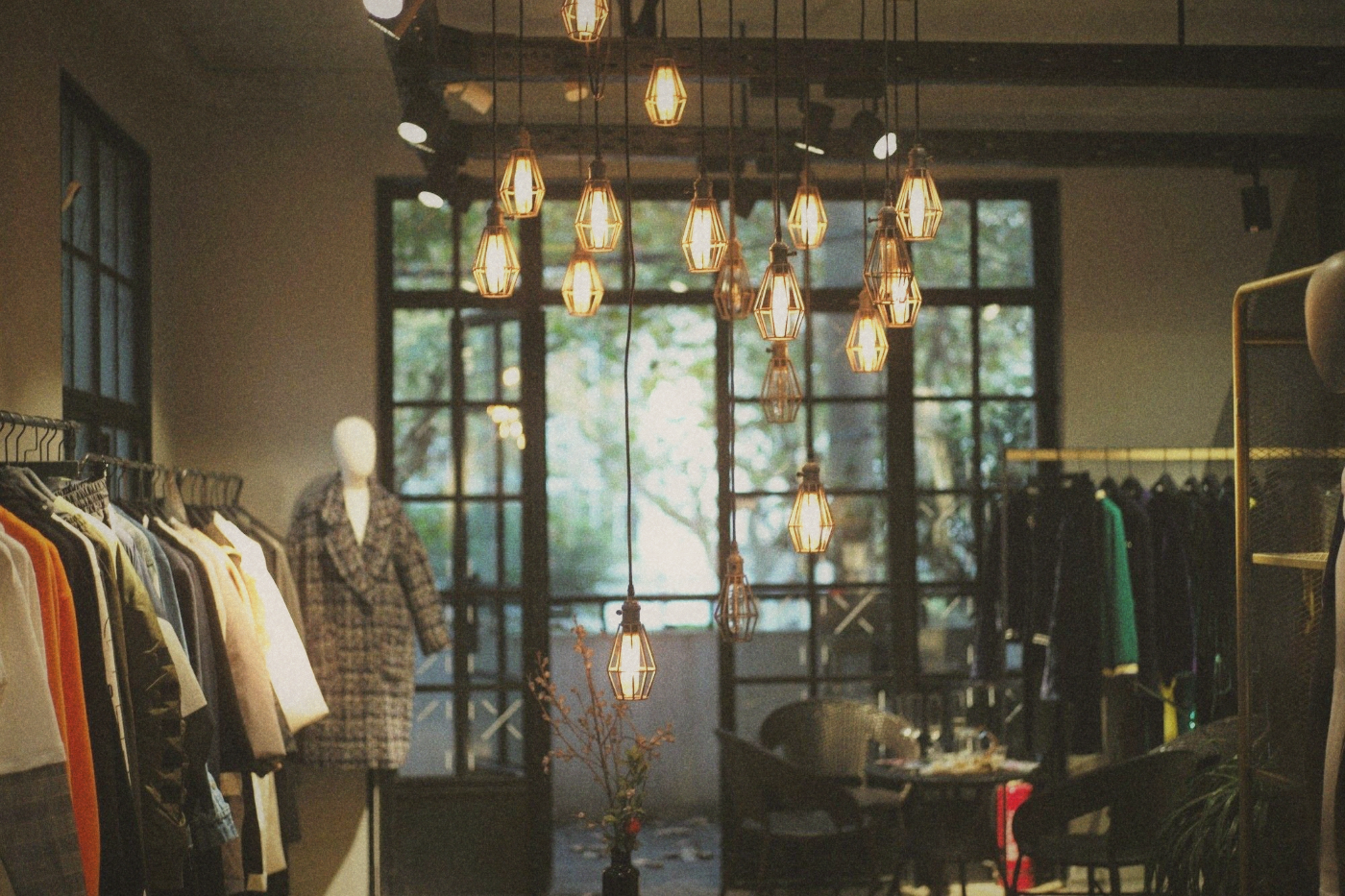
The main fashion district for this kind of deliberate, climate-aware shopping has shifted to the 中山站 and 赤峰街 area. The streets between Zhongshan and Shuanglian MRT stations are lined with independent boutiques, and plain-me's flagship store is right in the middle of it. Plain-me operates as both a select shop and their own brand. Their t-shirts run NT$988 to NT$2,080, and the shop staff are genuinely knowledgeable about fabric.
For one-stop, air-conditioned efficiency, the 信義區 department stores cluster UNIQLO's flagship, GU, and MUJI all within walking distance. You can build most of a summer capsule in a single afternoon without stepping outside.
Online, Pinkoi carries oqLiq and DYCTEAM (a sustainable denim brand, 100% made in Taiwan, using recycled materials and oyster shell technology). plain-me.com ships island-wide. WHITEROCK is another online option worth browsing for curated basics.
WISDOM, the "Urban Outdoor" label, is worth seeking out for investment pieces. Their field jackets and cargo pants use technical fabrics designed for exactly this climate. The prices are higher, but the construction is serious.
What not to do
Wearing all black in daytime. It's tempting because black is easy, but dark colors absorb significantly more solar radiation than light ones. A black cotton tee in direct Taipei sun will be measurably hotter than a white one within minutes. Save the all-black for evenings.
Ignoring the AC problem. Leaving your apartment in just a tank top because it's 35 degrees, then spending eight hours shivering in a 22-degree office is a weekly occurrence for people who haven't figured this out yet. Bring a layer. Always.
Wearing shoes that can't handle water. It will rain. It will rain when the forecast said it wouldn't. The sidewalk tiles will be slippery. Plan accordingly.
Buying "summer clothes" that are actually just thinner versions of bad fabrics. A thin polyester shirt is still polyester. The fabric matters more than the weight.
Frequently Asked
Some links in this article are affiliate links. If you purchase through them,OQUA may earn a small commission at no extra cost to you. This helps support our editorial work. We only link to products and services we genuinely reference in our writing.
Comments (0)
Loading comments...