
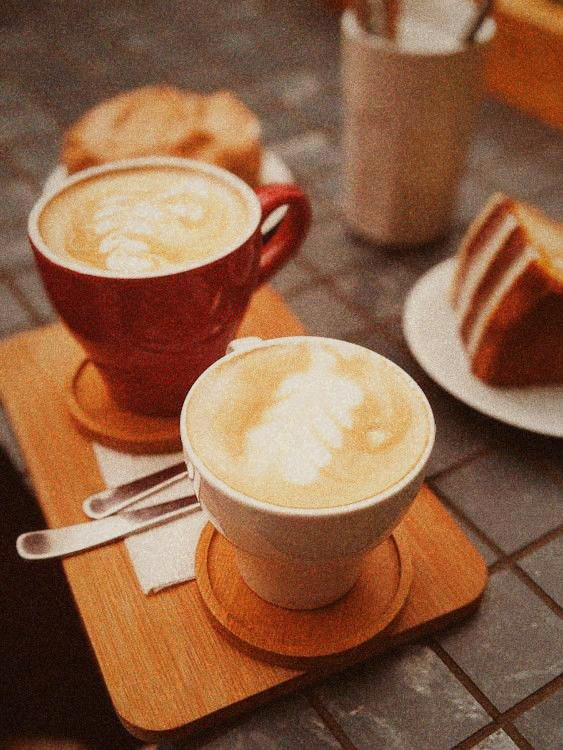
Taipei has more specialty coffee shops per square kilometer than Melbourne. That's not an exaggeration, it's a 2024 count by the Specialty Coffee Association of Taiwan. The problem isn't finding coffee. It's finding the right cup in a city with over 3,000 options.
Most visitors end up at Starbucks or the photogenic cafes in Daan that prioritize aesthetics over extraction. Meanwhile, the best cups in the city are pulled in converted apartments, basement bars, and rooftop spaces that don't bother with signage.
The coffee scene in Taipei evolved across three distinct waves. The first wave was instant coffee and espresso machines in the 1980s. The second wave, starting in the 2000s, brought specialty shops that cared about origin and process but were still learning. The third wave, the current one, is defined by baristas who won international competitions and decided to stay in Taipei to build their own vision rather than chase fame in Europe or Australia.
This guide is for the third wave. For people who care about the actual liquid in the cup, not the Instagram backdrop. For people who will wait 40 minutes for a pour-over because they want to taste what the barista is thinking.
1. Angle (昂舍咖啡): Rooftop espresso in Zhongshan
A third-floor walkup in an old apartment building. No elevator. The espresso machine is a Slayer, the same model used in world barista championships. The owner competed nationally and decided opening a shop was more interesting than winning trophies.
The space is about 60 square meters with maybe eight seats, a counter, and a window facing a residential street. No music. No Wi-Fi. No menu graphics. Just a handwritten list of single-origin beans and blend options. The walls are white. The lighting is natural and fluorescent mixed together in a way that feels like working light, not designed light.
The owner pulls shots with precision that borders on obsessive. Each espresso uses the same dose (around 18 grams), the same grind setting, and the same technique. He's been using the same tamper for seven years. He replaces the gasket on the group head every 500 shots or so. He tastes every single pull that goes out.
The house espresso blend tastes of chocolate and stone fruit, not because those flavors are added, but because the beans naturally express those notes when roasted to a specific point and pulled at a specific pressure. The more you drink it, the more you notice the complexity underneath the initial sweetness. This is espresso designed for people who will sit with it, not people who need caffeine.
If you want to understand what modern espresso in Taiwan is trying to be, this is the reference point. Come here first, order the espresso, spend ten minutes understanding what it tastes like. Then go to other shops and taste how they approach the same bean differently.
Address: 3F, No. 12, Lane 25, Nanjing West Road, Zhongshan District
Price: Espresso NT$120, pour-over NT$180–250
What to order: The house espresso blend if you want to sit with it. A seasonal single-origin pour-over if you want to taste something that changes quarterly and requires active attention.
Hours: 12:00–20:00, closed Mondays
Atmosphere: Quiet, bright, utilitarian. Go if you want to understand coffee. Go if you're alone. Don't go if you need to work on a laptop, there's nowhere comfortable to sit for three hours.
2. Simple Kaffa (興波咖啡), World champion in a basement
Berg Wu won the World Barista Championship in 2016. His shop is in a basement on Fuxing South Road. The space is deliberately understated, concrete, wood, and a bar where you watch every step of the preparation. This is the most technically accomplished coffee in Taiwan.
The basement is cool and slightly damp, which is actually perfect for coffee preservation. The temperature stays consistent. The humidity keeps beans fresh longer. The lack of natural light is intentional, coffeehouses don't need sunshine. They need control.
The bar is maybe 12 meters long. There are maybe six seats. Berg is there almost every day, usually standing in the corner, watching how people interact with the coffee. He doesn't chat much. He's not rude. He's just observant. He'll adjust the brewing method based on what he senses, if he thinks you need a slower extraction, he'll mention it. If he thinks you need a faster one, he'll adjust without asking.
The coffee here is expensive because it's precise. A geisha pour-over is NT$300 (or sometimes more depending on auction prices). A seasonal single-origin V60 is NT$250. This is not casual coffee. This is coffee that requires your full attention and budget accordingly.
The geisha bean is a varietal from Panama. It smells like jasmine before water hits it. After brewing, it tastes like white tea and stone fruit and flowers in a way that feels almost fake because it's so clean and bright.
If you've only had the roasted, dark, heavy coffees of traditional Taipei, this will shock your palate. That shock is the point. It expands your understanding of what coffee can taste like.
If you have a budget and you want to experience what international competition-level coffee tastes like, this is where you spend your money.
Address: B1, No. 17, Lane 177, Section 1, Fuxing South Road, Daan District
Price: Pour-over NT$200–350, espresso NT$150
What to order: The geisha pour-over if available (usually only certain seasons, and Berg has to be in a certain mood). Otherwise the seasonal single-origin V60. Ask Berg which bean he's most excited about, he'll give you an honest answer about what's at its peak right now.
Hours: 10:00–18:00, closed Tuesdays
Atmosphere: Serious, quiet, technical. Go if you want to taste what precision means. Go if you're alone or with someone who also cares about coffee. Don't go if you need casual conversation.
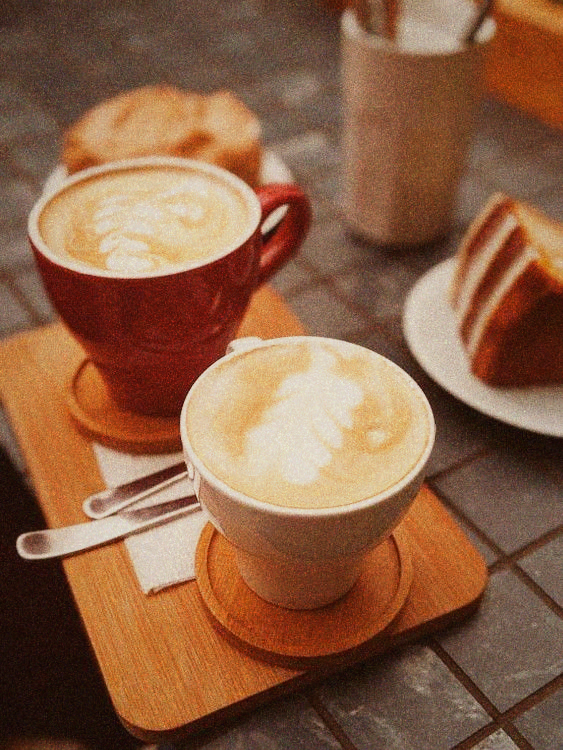
 FIRST SIGHTWEBGLThe precision required to compete at international level: every detail matters, from water temperature to grind consistency. · Color and grain by First Sight · Gold 200. · First Sight 色彩與顆粒調校 · Gold 200
3. Fika Fika (彼家咖啡): Nordic roasting in Taipei
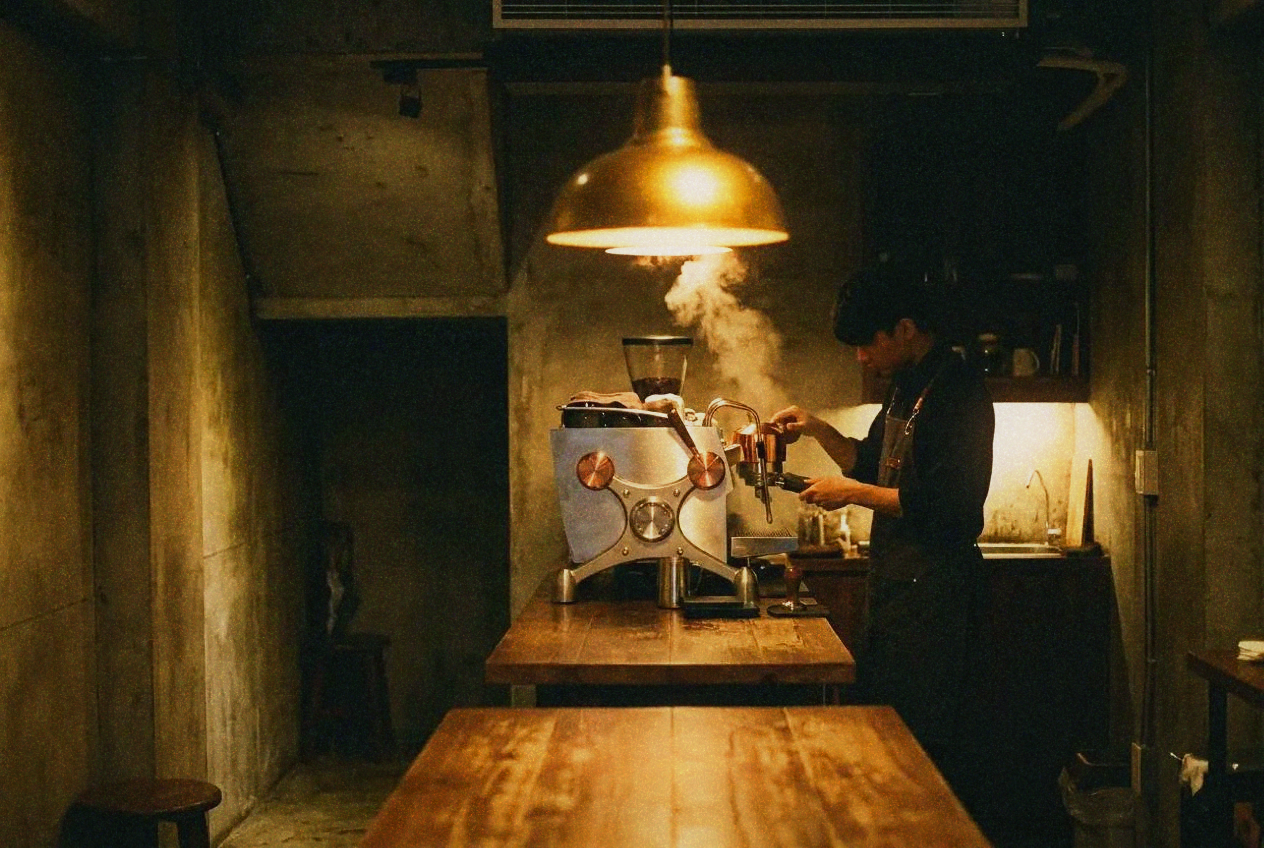 FIRST SIGHTWEBGLA basement coffee bar in Taipei: the best espresso in the city is often underground. · Color and grain by First Sight · Gold 200. · First Sight 色彩與顆粒調校 · Gold 200
James Chen won the Nordic Barista Cup and brought Scandinavian light roasting to Taipei. The beans are roasted in-house, lighter than most Taiwanese roasters, which means more acidity, more fruit, more complexity. Not for people who want their coffee dark and bitter. For people who want to taste terroir the way wine drinkers taste wine.
The shop is on Yitong Street, a small retail area in Zhongshan. The storefront is bright. You can see the roasting setup through the window. James roasts beans three days a week, usually in the morning, and the building smells like coffee for hours afterward. This is the smell of coffee while it's becoming itself, not after it's finished.
The drinks are lighter than what Taipei traditionally wants. An Ethiopian natural process tastes like blueberry and wildflower and black tea simultaneously. It's not bitter. It's not heavy. It's bright in a way that makes you feel awake without the energy crash that comes from darker roasts. Some customers hate it. The ones who return understand it.
The espresso here is interesting because it's designed for milk drinks. A latte from an Ethiopian bean tastes different than a latte from a Colombian bean. Most cafes don't care about this distinction. James does. He'll suggest which beans work better with milk, which are better solo, which need a particular brewing method.
This is the shop where you go to understand what third-wave coffee philosophy actually means in practice. It's not pretentious. It's curious. James wants you to understand why he made the choices he made.
Address: No. 33, Yitong Street, Zhongshan District
Price: Drip NT$150, latte NT$170
What to order: Any Ethiopian natural process. The blueberry notes are the house signature. If it's too bright for you, ask for a Colombian blend instead. Both are worth your time.
Hours: 8:00–21:00 daily (long hours compared to other shops)
Atmosphere: Bright, friendly, approachable. This is the shop where you can come back every week and discover something new. Go if you want to understand the spectrum of coffee flavor. Go if you want to chat with the owner. Go if you want to understand what roasting actually is by watching the process.
4. Rufous Coffee (小路咖啡), The vintage roaster
A tiny shop, maybe six seats, in a Daan alley. The owner has been roasting for 20 years on a vintage Probat from the 1960s. The machine alone is worth the visit. It's the size of a small car, beautiful in a utilitarian way, and it heats the shop to about 30 degrees every time it's running.
This is old-school coffee. Not "retro." Old. The roasting style is medium-dark, the kind that was standard before light roasting became fashionable. The coffee tastes like chocolate, caramel, and dark sugar. It's syrupy in body. It's meant to sit heavy in your mouth, not float across it.
If Simple Kaffa is international competition coffee, Rufous is Taipei traditional coffee updated by someone who actually cares about quality. The owner doesn't compete. Doesn't have Instagram followers. Makes the same coffee he made 20 years ago because he believes it's correct.
The espresso here is a warm hug in a cup. It's not complex. It's comforting. If you've been drinking too much bright, acidic coffee and you need to remember why people loved coffee before all the international competitions, order a shot here.
The shop opens late (1pm) because the owner's afternoon roasts happen while you're there. You might end up drinking coffee while the roaster is still cooling from the previous batch. There's something meditative about that timing.
Address: No. 11, Lane 91, Section 2, Anhe Road, Daan District
Price: Espresso NT$100, hand-drip NT$150
What to order: The house blend espresso. Don't overthink it. Order it, drink it, understand what medium-dark roasting means in Taipei. This is reference point number two.
Hours: 13:00–22:00, closed Wednesdays
Atmosphere: Quiet, small, working-class. Go if you want to sit alone. Go if you want to understand the other extreme from Simple Kaffa. Don't go if you need tables, there are almost none.
5. Congrats Café: Coffee bar that closes at 2am
Part specialty coffee, part cocktail bar. After 8pm, the menu shifts, espresso martinis, cold brew negronis, and pour-overs made with competition-level precision at hours when every other coffee shop is closed.
The location is on Anhe Road in Daan, a street that's become the coffee epicenter of Taipei. The space is designed like a wine bar, intimate, dark, focused on the experience rather than Instagram potential. The music is carefully curated. The lighting is warm. You feel like you're inside something, not looking at something.
The owner is a former barista competitor who got tired of chasing trophies and wanted to build something that combined coffee and hospitality. The result is a place where you can come for a cortado at 2pm or a coffee cocktail at 11pm and get equally serious technical work.
Before 8pm: The coffee menu is straightforward, espresso, pour-overs, milk drinks. The beans rotate seasonally. The prices are reasonable. The pacing is not rushed.
After 8pm: The coffee becomes an ingredient. An espresso old fashioned is made with cold brew, cognac, and house-made bitters. An espresso martini is made with fresh espresso and vermouth, not the sweet vodka disaster you've had before. The coffee maintains its integrity even inside a cocktail context.
This is the shop where you go if you want to understand that coffee is a versatile ingredient, not just a beverage. It's also the shop where you go if you're lonely and want to sit at a bar and watch a bartender work.
Address: No. 5, Lane 27, Section 1, Anhe Road, Daan District
Price: Coffee NT$150–200, cocktails NT$350–450
What to order: Before 8pm: the seasonal pour-over (changes monthly). After 8pm: the espresso old fashioned (get it twice so you can taste how fresh espresso changes the drink).
Hours: 12:00–02:00 daily (open later than everyone except Yansan night market)
Atmosphere: Intimate, sophisticated, late-night friendly. Go if you want to understand coffee beyond its traditional context. Go if you're a night person. Go if you want to sit at a bar.
6. Peloso (波羅素咖啡): The quiet favorite in Songshan
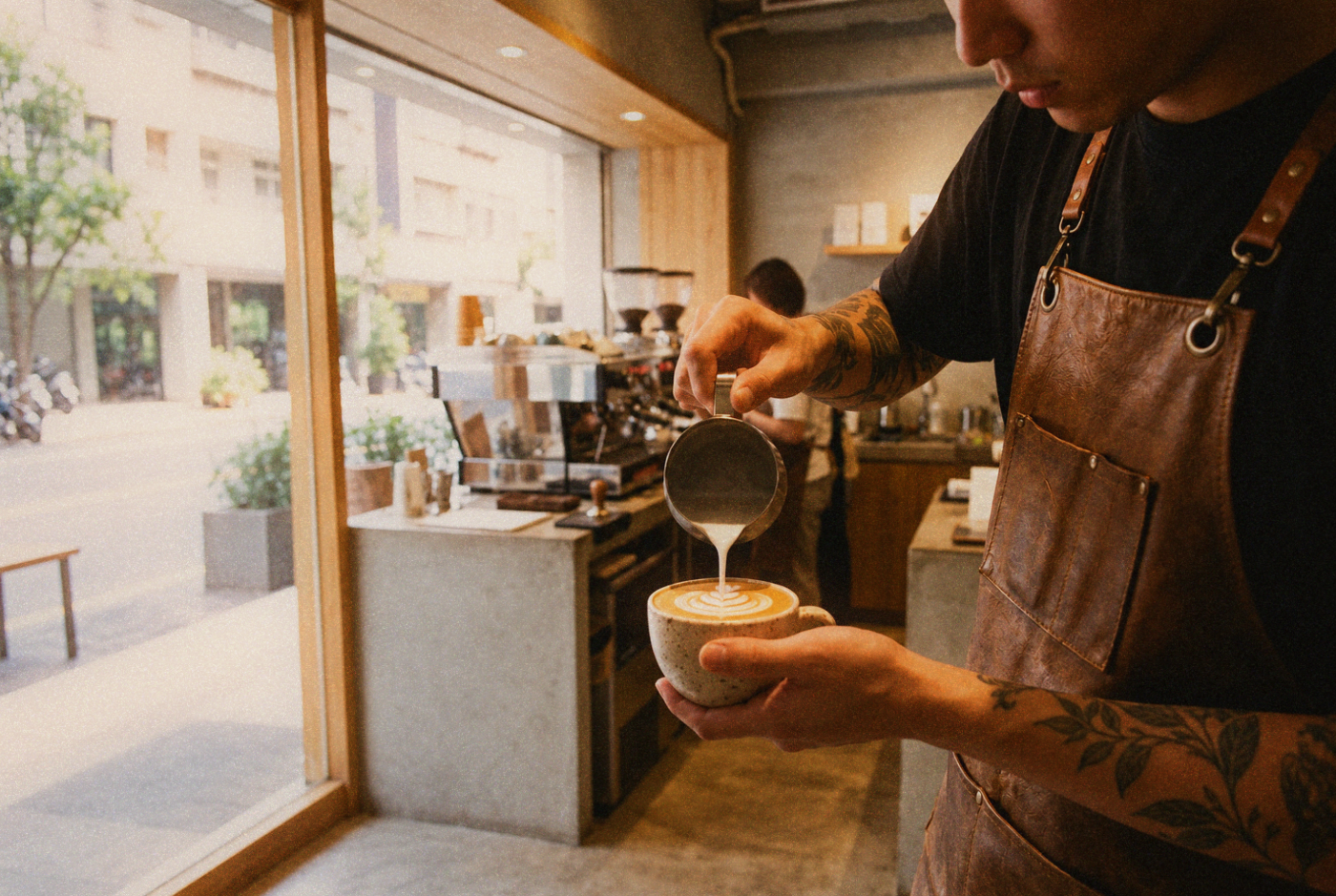 FIRST SIGHTWEBGLA steady pour brings milk and espresso together. · Color and grain by First Sight · Gold 200. · First Sight 色彩與顆粒調校 · Gold 200
Hidden on a residential street near Taipei Arena. The owner's approach is Japanese-style kissaten, slow, methodical, one cup at a time. He uses a nel drip (flannel filter), which produces a rounder, silkier cup than paper filters. Maximum eight guests. No music. No Wi-Fi.
The shop is small and the owner barely speaks English, so you need basic Mandarin or a lot of patience. What you get in return is coffee made with a level of attention that's become rare. He'll ask how long you have. If you have time, he'll use a slower brewing method. If you're rushed, he'll suggest something quicker.
The house blend nel drip is NT$200. For that price, you're paying for labor and care, not for exotic beans. The coffee tastes clean, balanced, slightly sweet. It's not trying to impress. It's trying to be correct.
This is the coffee shop equivalent of a sushi chef who's been making the same two rolls for 40 years. It's not for everyone. It's for people who understand that restraint is a choice.
Address: No. 3, Lane 8, Section 5, Nanjing East Road, Songshan District
Price: Nel drip NT$200, espresso NT$130
What to order: The nel drip house blend. Come on a day when you're not rushed. Tell the owner you have time. He'll make it the slow way.
Hours: 13:00–19:00, Thursday to Sunday only (limited hours)
Atmosphere: Meditative, quiet, patient. Go if you understand that slowness is a value. Go if you're alone. Go if you want to sit in silence.
Understanding Roasting Styles
Before you pick a shop, understand what roasting style means:
Light roast, Retains more acidity. Tastes fruity, complex, sometimes floral. Lighter body. This is third-wave coffee philosophy. Fika Fika and Simple Kaffa operate here.
Medium roast, Balance between origin flavors and roast flavors. Less acidity than light. More complexity than dark. This is the sweet spot for many coffee professionals. Angle and Congrats use variations of this.
Dark roast, Origin flavors are secondary to roast flavors. Tastes chocolatey, syrupy, sometimes smoky. Heavy body. Traditional Taiwan coffee preference. Rufous specializes here.
Neither is objectively better. They're different philosophies. Understanding which one you prefer is the first step to understanding your own coffee taste.
The coffee crawl
Start at Fika Fika (opens 8am) for a light Ethiopian. Walk to Simple Kaffa (opens 10am) for the geisha. Lunch break. Afternoon at Rufous for old-school espresso, then Angle for the rooftop view and house blend. Evening at Congrats for espresso cocktails. Six shops, one day, six completely different coffee philosophies.
Or, if you have less time: Pick two that contrast (Fika Fika + Rufous, or Simple Kaffa + Angle). Understand the spectrum by tasting the extremes.
Coffee Shop Quick Reference
Six shops, one line each. Addresses, prices and hours are in the sections above.
Angle 昂舍 — Zhongshan. Third-floor walkup, no elevator, eight seats. House blend of chocolate and stone fruit pulled on a Slayer. Order the espresso and sit with it. Not a laptop café.
Simple Kaffa 興波 — Da'an. Berg Wu took the World Barista Championship in 2016 and built a basement bar on Fuxing South Road. The most technically accomplished cup in Taiwan. Order the geisha if it is on.
Fika Fika 彼家 — Zhongshan. Nordic light roasting. Opens 8am, the earliest of the six, which makes it the only real way to start a crawl. Order an Ethiopian filter.
Rufous 小路 — Da'an. The vintage roaster, dark and old-school. The counterweight to everything third-wave in this list, and the reason the crawl is worth doing in one day.
Congrats Café — open until 2am. Espresso cocktails and the only one on this list that works after dinner. Go when everywhere else has closed.
Peloso 波羅素 — Songshan. The quiet favourite. No queue, no reputation to perform, and the one regulars are mildly reluctant to see written about.
Frequently Asked
Some links in this article are affiliate links. If you purchase through them,OQUA may earn a small commission at no extra cost to you. This helps support our editorial work. We only link to products and services we genuinely reference in our writing.
Comments (0)
Loading comments...