
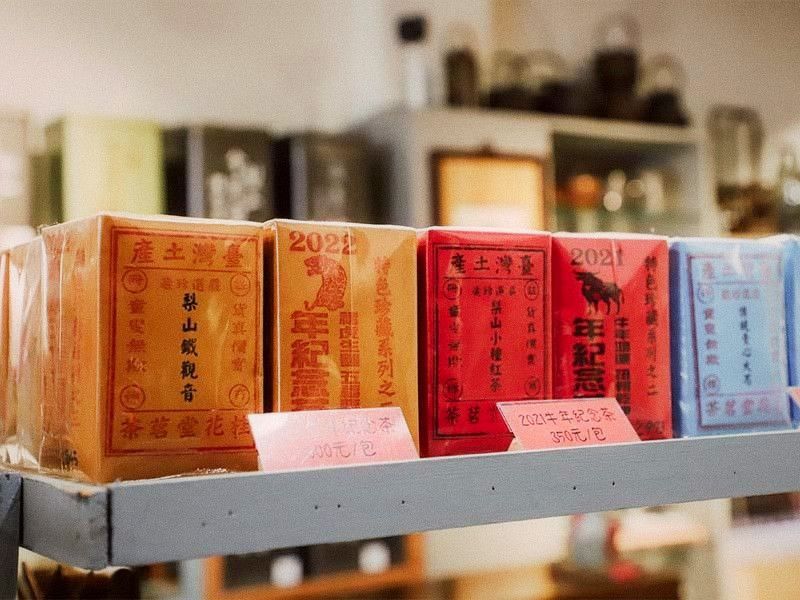
Lin Hua Tai tea shop on Chongqing North Road has been selling tea since 1883. Walk in on a Tuesday afternoon and the owner's grandson might be scooping Alishan oolong from a dented metal barrel that looks older than the building itself. The tea costs NT$300 for 150 grams. A cup of mediocre bubble tea down the street costs NT$75.
That math alone tells you something about where Taiwan's tea culture sits right now. The best stuff is, relatively speaking, still affordable. But the window is closing. International demand for Taiwanese high mountain oolong has pushed prices up roughly 30% over the past decade, and the farms producing it aren't getting any bigger. The mountains only go so high.
Five teas worth knowing. The tea houses and shops worth visiting. And enough brewing basics to not embarrass yourself when someone hands you a gaiwan.
Five teas, five personalities
Taiwan grows dozens of tea varieties, but five carry the most weight in terms of reputation and what you'll actually encounter.
Alishan High Mountain Oolong is the one most people think of first. Grown in Chiayi County between 1,000 and 1,600 meters, it's lightly oxidized, which keeps it close to green tea territory but with a buttery, floral quality that green tea doesn't have. The best harvests come in spring (April through May) and winter (October through November). Spring tea tends to be more aromatic. Winter tea is smoother, a little sweeter. A canister starts around NT$450, though competition-grade lots can run into the thousands.
Dong Ding Oolong comes from Lugu Township in Nantou County, lower elevation (600 to 800 meters), medium roasted. If Alishan is the bright, floral one, Dong Ding is the one that tastes like oatmeal cookies and toasted nuts. It's the tea your Taiwanese friend's parents probably drank in the '90s. The roasting process is what sets it apart, and good roasters guard their methods closely.
Oriental Beauty might be Taiwan's most interesting tea story. Grown primarily in Hsinchu County, it's heavily oxidized, almost to the point of being a black tea. The signature flavor, a distinct muscatel grape aroma, comes from tea jassid bites on the leaves. The insects' saliva triggers a chemical defense in the plant that produces those honeyed, fruity notes. Farmers who use pesticides don't get jassid bites. So Oriental Beauty is, by necessity, grown without them.
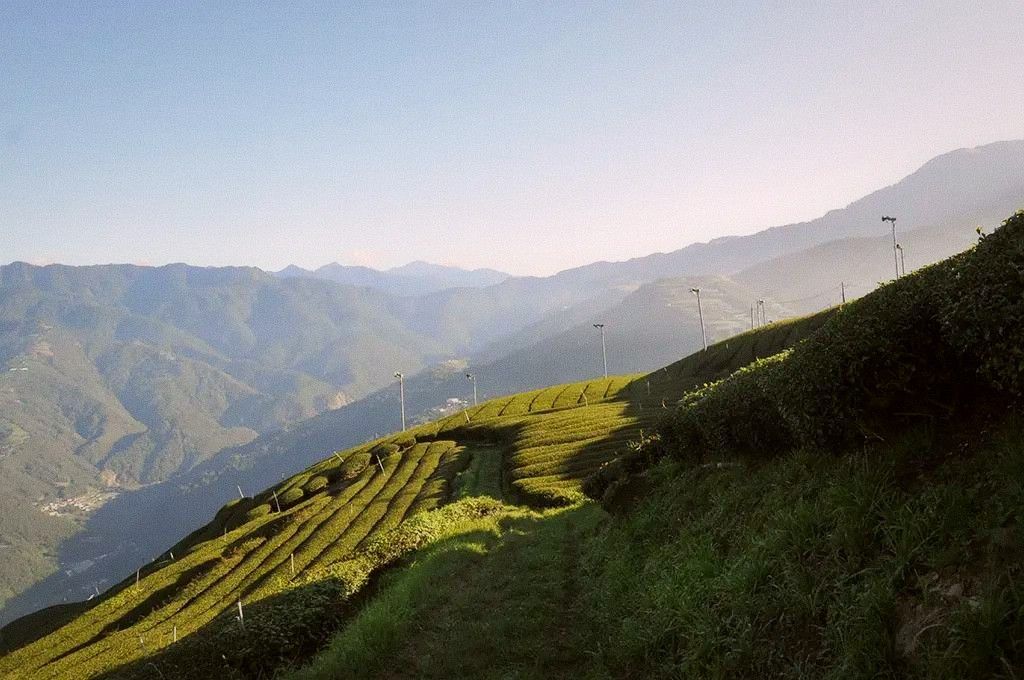
 FIRST SIGHTWEBGLHigh mountain tea farms in Chiayi County, where Alishan oolong grows between fog banks at elevations above 1,000 meters. · This photo is developed by FIRST SIGHT film stocks. · 這張照片是使用 FIRST SIGHT 底片配方調校而成的
Sun Moon Lake Ruby #18 is Taiwan's answer to the question of whether the island can produce world-class black tea. The answer is yes. Developed at the Tea Research and Extension Station near Sun Moon Lake in Nantou, Ruby #18 has distinctive cinnamon and mint notes that don't show up in black teas from anywhere else. It's fully oxidized, robust enough for milk if that's your thing, but better without.
Wenshan Baozhong (also called Pouchong) is the lightest of the group. Grown in the Wenshan district just north of Taipei, it's barely oxidized, sitting right at the border between green tea and oolong. The flavor is delicate, floral, and disappears if you brew it too hot. It's the tea for people who think they don't like tea.
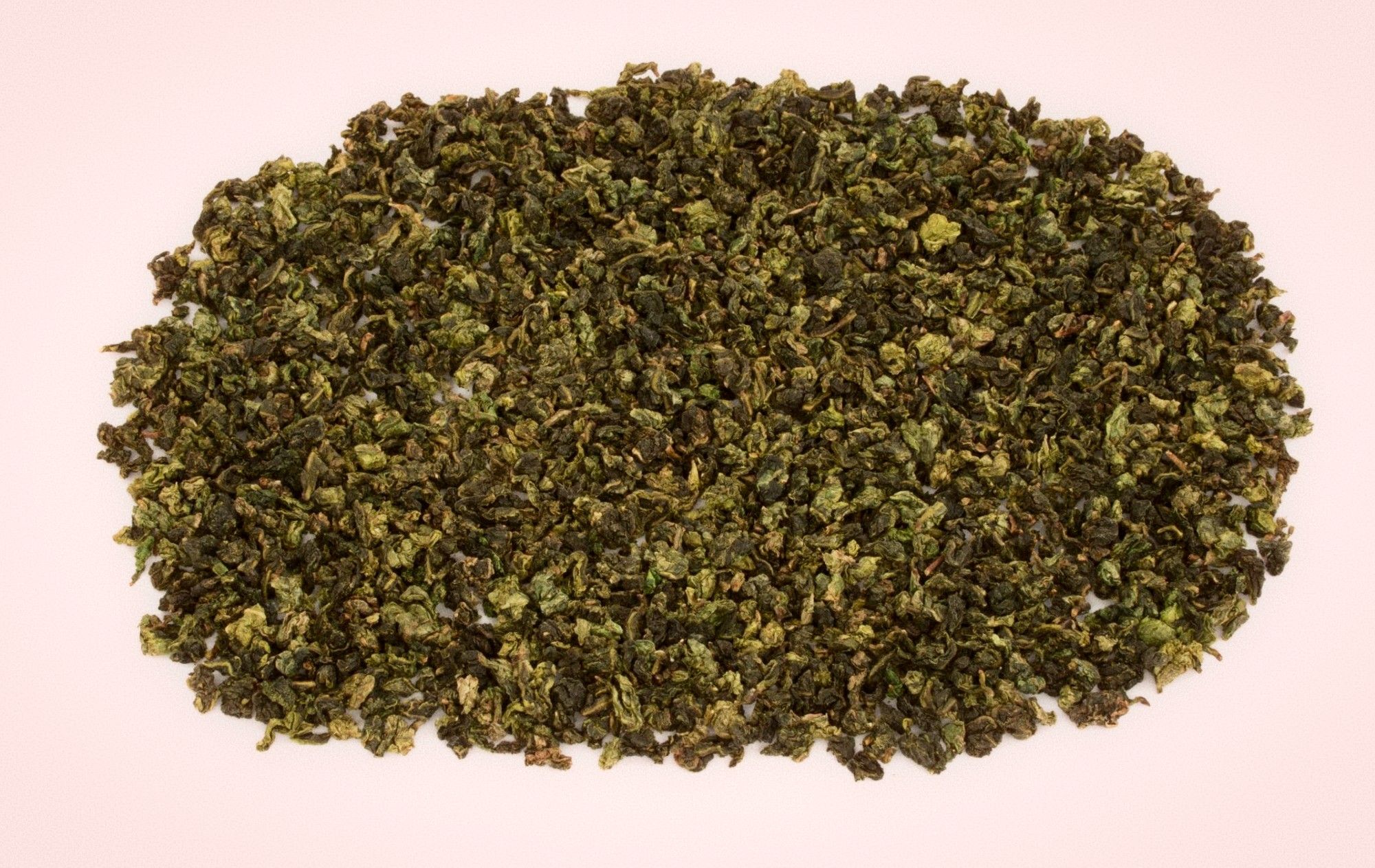 FIRST SIGHTWEBGLThis photo is developed by FIRST SIGHT film stocks.這張照片是使用 FIRST SIGHT 底片配方調校而成的
Tea houses in Taipei
Taipei's tea house scene ranges from reverent to casual, and the best spots tend to be in old buildings with stories attached.
Wistaria Tea House (紫藤廬) at No. 1, Lane 16, Xinsheng South Road Section 3, Da'an District, is the one with the most history. The building is a 1920s Japanese-era wooden house, and during the martial law period it served as an unofficial meeting place for democracy activists and intellectuals. The wisteria out front still blooms in spring. Tea service runs from 10am to 11pm. It's not a museum. People come here to actually drink tea, slowly, for hours. Expect to spend NT$300 to NT$600 per person.
ASW Tea House on Dihua Street operates out of a restored heritage building in Dadaocheng, the old trading district. The vibe is more accessible than Wistaria. A tea set runs NT$340, and the staff will walk you through the brewing if you ask. The building itself is worth the visit. Dihua Street was where Taipei's tea trade centered in the late 1800s, so drinking tea here has a geographical logic to it.
Yao Yue Tea House (邀月茶坊) at No. 6, Lane 40, Section 3, Zhinan Road in Maokong is the mountain option. Open 24 hours, which means you can drink tea at 2am overlooking the city lights, which is exactly the kind of thing Taipei lets you do. Figure NT$200 to NT$500 per person. The outdoor seating areas are terraced into the hillside with views across the basin.
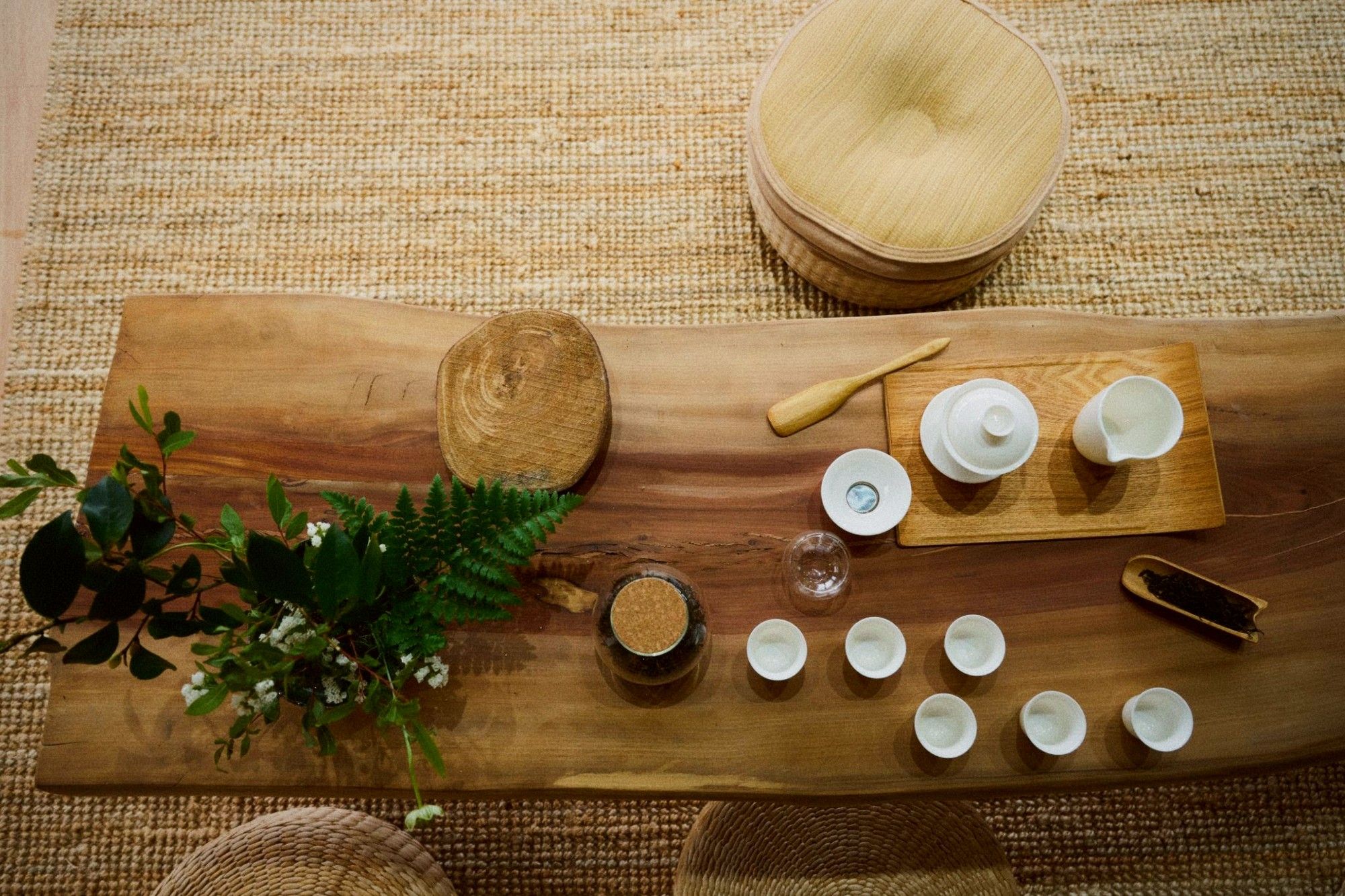 FIRST SIGHTWEBGLA tea service at one of Taipei's heritage tea houses, where the ritual of brewing is as much the point as the tea itself. · This photo is developed by FIRST SIGHT film stocks. · 這張照片是使用 FIRST SIGHT 底片配方調校而成的
Getting to Maokong
The Maokong Gondola is the easiest route up. Take the MRT Brown Line to Taipei Zoo Station, and the gondola terminal is a short walk from Exit 2. A single ride costs NT$180 for foreign passport holders, or NT$300 for a day pass. The crystal-bottom cabins are an extra NT$50 and worth it if heights don't bother you. Weekdays the gondola runs 9am to 9pm, weekends 9am to 10pm. The ride takes about 20 to 30 minutes and passes over the tea plantations on the way up.
Once you're up there, Maokong has dozens of tea houses, most with outdoor seating. Yao Yue is the best known, but walking the road and finding a quieter spot is half the experience.
Where to buy tea in Taipei
The serious tea shopping in Taipei happens on and around Chongqing North Road, Section 2, in Datong District. Three shops within walking distance of each other cover most of what you'd need.
Lin Hua Tai (林華泰茶行) at No. 193, Chongqing North Road Section 2, has been here since 1883, making it Taipei's oldest operating tea shop. The system is simple: rows of large metal barrels along the walls, each containing a different tea. Point at one, they'll scoop some out, you smell it, you decide. Mid-grade teas run NT$200 to NT$400 for 150 grams. The staff speak limited English but the process is visual enough that it doesn't matter much.
Lin Mao Sen (林茂森茶行) at No. 195-3, same road, is practically next door. The selection is similar but the staff here are more accustomed to English-speaking customers. If you want guidance on what to buy, this is the easier starting point.
Wang Tea / You Ji Ming Cha (有記名茶) at No. 26, Lane 64, Chongqing North Road Section 2, has been operating for over a century and is the only shop in the area that still roasts tea over hot coals. You can sometimes watch the roasting process in the back. Their Dong Ding and Baozhong are particularly good.
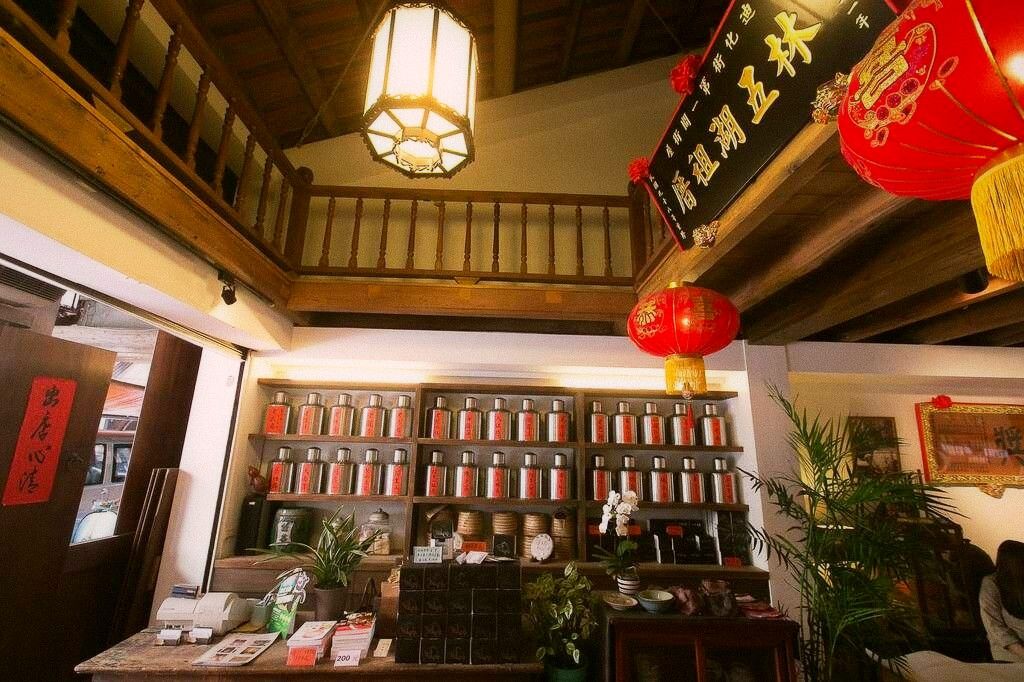 FIRST SIGHTWEBGLRows of metal barrels, each holding a different grade and variety. The selection process is hands-on: point, smell, decide. · This photo is developed by FIRST SIGHT film stocks. · 這張照片是使用 FIRST SIGHT 底片配方調校而成的
Beyond Taipei: Pinglin Tea Museum
If you want deeper context, the Pinglin Tea Museum in New Taipei City is worth a half-day trip. Admission is NT$80. Hours are Monday through Friday 9am to 5pm, weekends 9am to 5:30pm. Pinglin is Baozhong country, surrounded by the tea fields that produce most of Taiwan's lightest oolong. The museum covers cultivation, processing, and the cultural history of tea in Taiwan. It's well done and not crowded.
Gongfu tea: the basics
Gongfu brewing is less complicated than it looks. The word "gongfu" just means doing something with care and skill. Here's the practical version.
Heat your water to 90 to 95 degrees Celsius. If you don't have a thermometer, bring it to a boil and let it sit for about a minute. Warm your teaware by pouring hot water over and through it, then dump that water out. Add tea leaves to your gaiwan or small teapot, filling it about one-third full with dry leaves. That sounds like a lot, but gongfu uses more leaves and shorter steep times than Western brewing.
Pour hot water over the leaves for a quick rinse, just a few seconds, then pour that out. This opens the leaves up. Your first real steep should be about 45 to 60 seconds. Pour it into a sharing pitcher, then into small cups. Each subsequent steep, add about 15 seconds. Good tea will give you five to eight steeps, and the flavor shifts with each one.
The whole process takes longer to describe than to do. Once you've done it twice, it becomes second nature.
Comments (0)
Loading comments...