
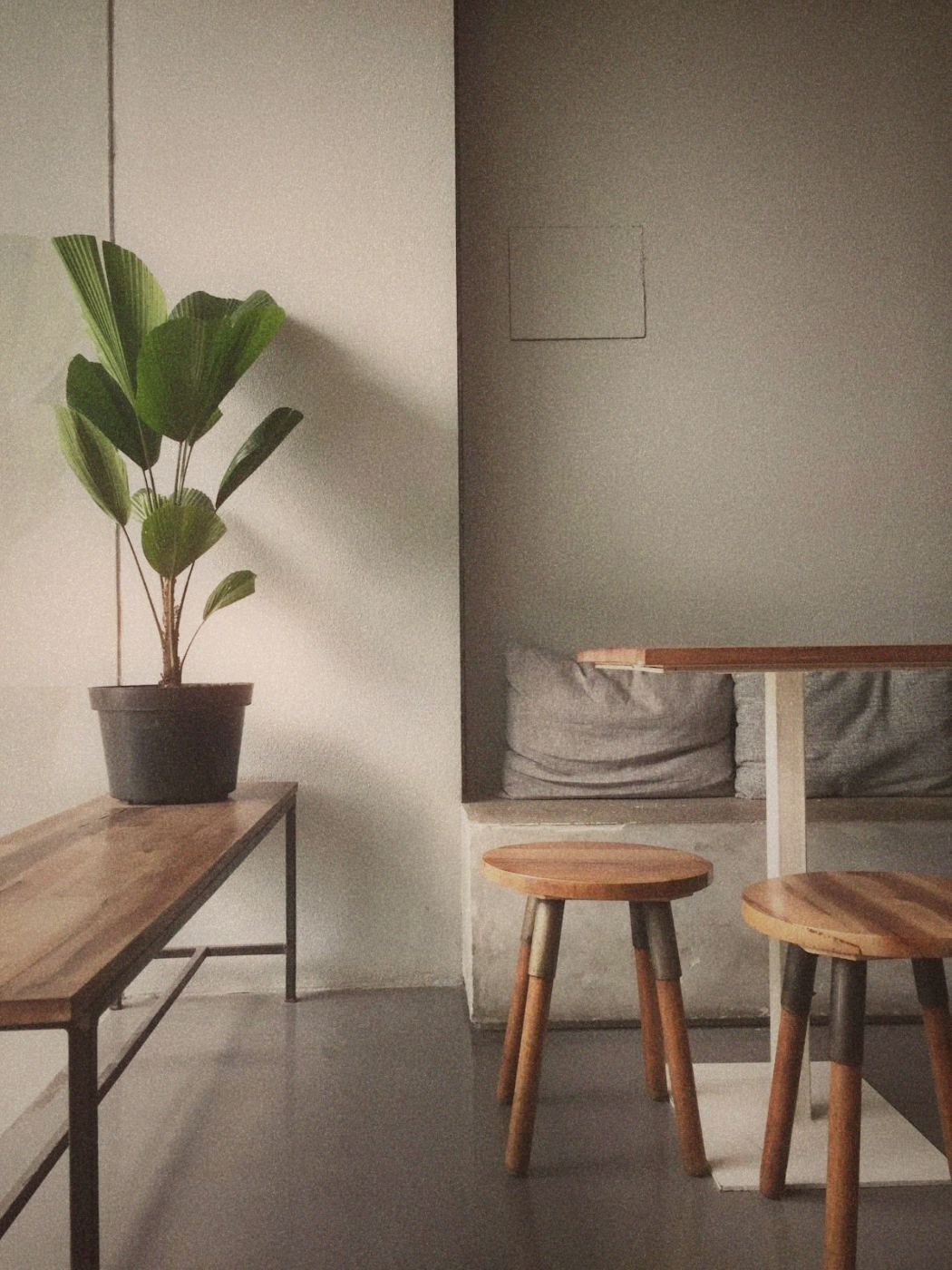
Most of us didn't choose our apartments. We found them on 591, checked the rent, counted the ping, and moved in. Maybe we bought a desk from IKEA Xinzhuang and a mattress from Costco Neihu, hung a mirror somewhere near the door, and called it done. The apartment became the background to everything else.
I lived like that in Daan for three years before I sat down one afternoon and actually looked at the place. Not the "what should I buy next" kind of looking. The uncomfortable kind. I had a beautiful desk I never sat at because the light was wrong. A reading chair that faced a wall. A kitchen window, the best natural light in the apartment, blocked by a drying rack I never moved. My home looked fine in photos. It just didn't feel like mine. I was sleeping there, working there, but not really living there.
Slow home design isn't an aesthetic. It's not a Pinterest board or a Pinkoi shopping spree. It's a series of small, honest questions about how you actually spend your mornings, where you sit when you're tired, and what you see first when you open your eyes. In Taiwan, where we're working with compact spaces and aggressive humidity, those questions matter more than anywhere else. And the answers, once you find them, cost almost nothing.
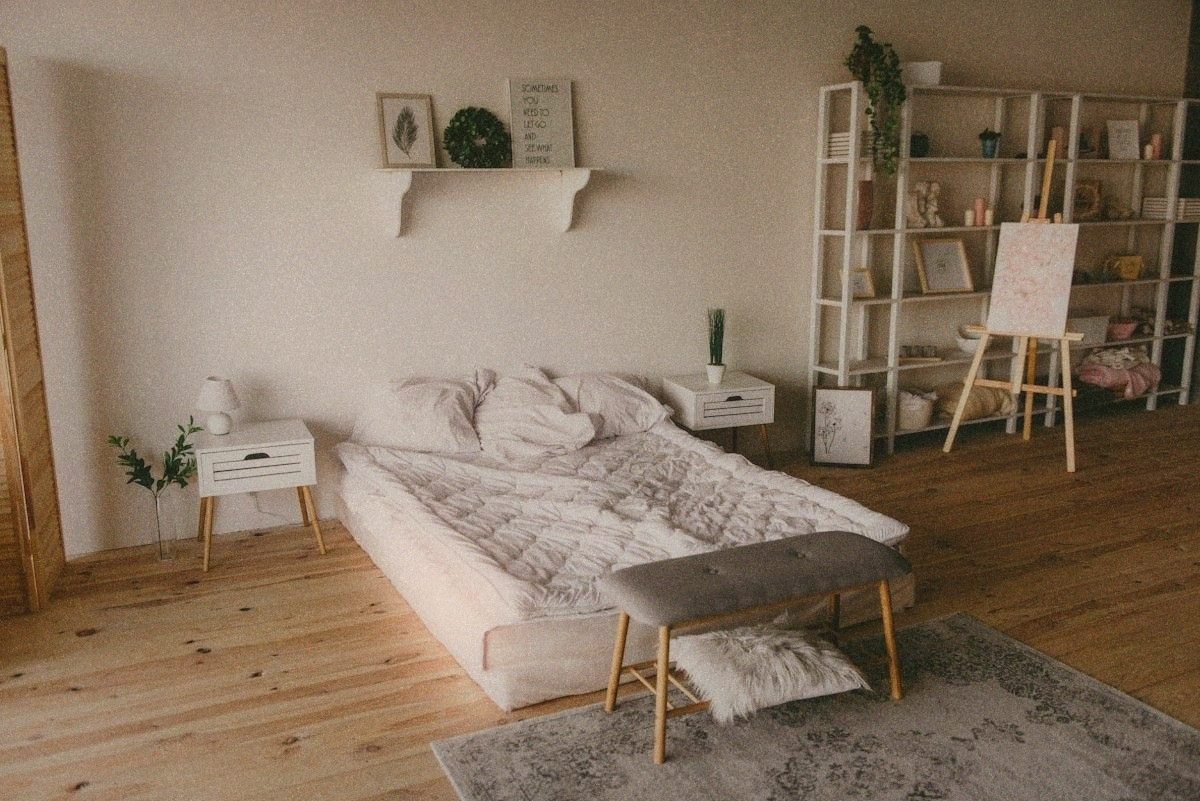
 FIRST SIGHTWEBGLThe best light in a Taipei apartment is also the most wasted. Find where morning sun enters. That's where your day should start. · Color and grain by First Sight · Gold 200. · First Sight 色彩與顆粒調校 · Gold 200
The humidity problem nobody talks about honestly
Let's get the unsexy stuff out of the way first, because it affects every other decision you'll make.
Taipei averages 75 to 80% humidity year-round. That's not a number most people think about when they're shopping on Pinkoi at midnight, but it determines everything. Your beautiful untreated wooden shelf? It's going to warp. The cotton rug you carried back from Kyoto? It'll smell like mildew by August. The cheap particle-board bookcase from IKEA? Give it two summers and the shelves will bow under their own weight.
I learned this the expensive way. A solid elm shelf I bought from a carpenter in Yonghe started cupping within six months. I thought it was defective. It wasn't. It was untreated wood in a subtropical apartment without cross-ventilation. The wood was doing exactly what wood does when you put it in a sauna.
None of this means giving up on beautiful things. It means choosing carefully. Ceramic and clay breathe with the humidity instead of fighting it. Sealed or lacquered wood survives. Stainless steel doesn't care. Linen and cotton handle moisture better than polyester, which traps everything and makes your apartment smell like a gym bag in July.
The real trick is airflow. A beautiful apartment with no cross-ventilation becomes a steamer. Before you buy a single piece of furniture, open every window and figure out where air actually moves. That's where your living happens. That's where you sit. Everything else arranges itself around that invisible map.
Start with where the light falls
 FIRST SIGHTWEBGLColor and grain by First Sight · Gold 200.First Sight 色彩與顆粒調校 · Gold 200
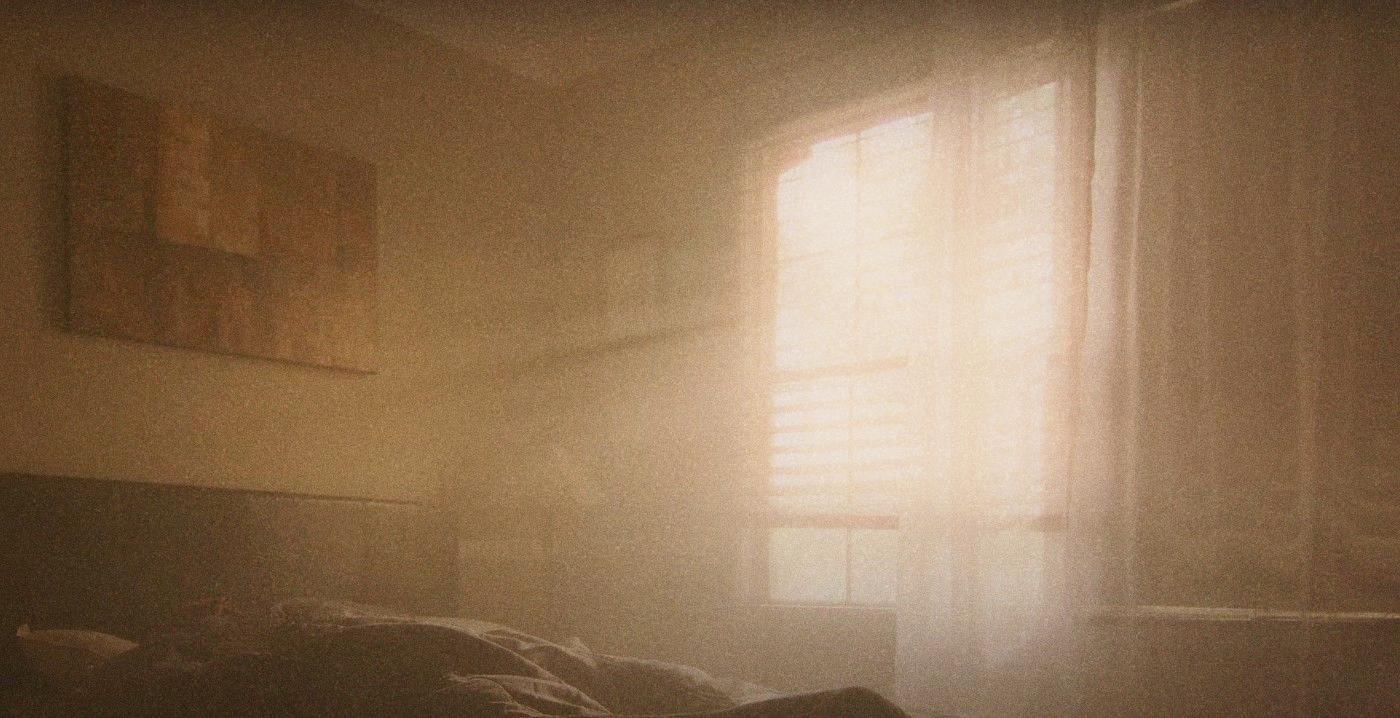
I learned this from a friend who runs a small architecture studio in Zhongshan. She told me the first thing she does when she walks into a new client's apartment isn't measure walls or look at the floor plan. She sits in every room for ten minutes at different times of day and watches where the light goes.
In most Taipei apartments, you get one, maybe two faces of decent natural light. Northern-facing units might get almost none. That limited light is your most valuable resource, more important than square footage, more important than which floor you're on.
So here's what you do: find where morning light enters. That's where your tea or coffee happens. Find where afternoon light warms the room. That's your reading spot or your wind-down space. If you work from home, the light should come from your side, not behind your screen, and definitely not from directly in front of you.
Once you've mapped the light, half the design decisions make themselves. You stop fighting the apartment and start working with what it already gives you.
The tea corner (or whatever your version of it is)
 FIRST SIGHTWEBGLColor and grain by First Sight · Gold 200.First Sight 色彩與顆粒調校 · Gold 200
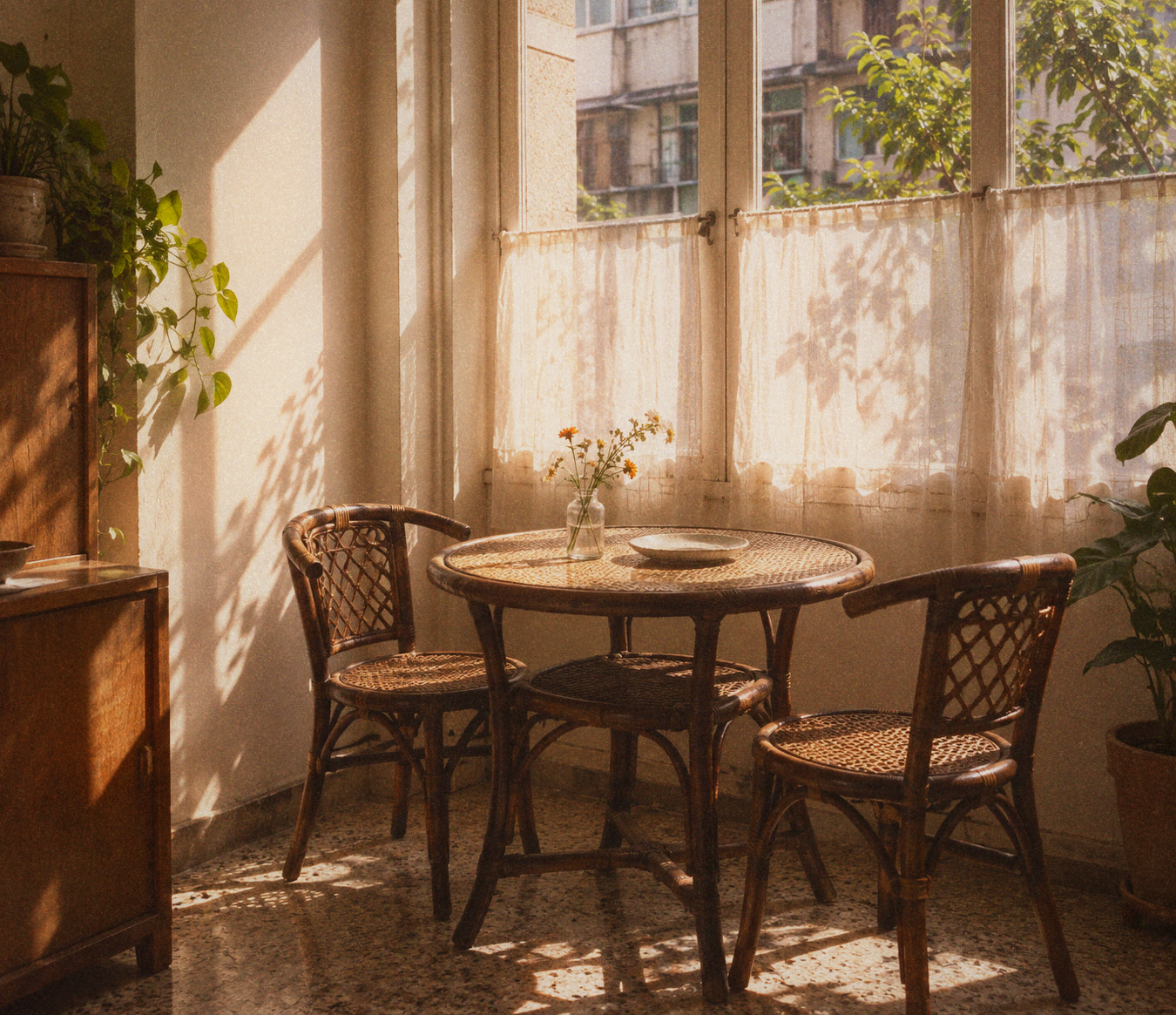
I keep calling it a "tea corner" because that's what mine is, but yours might be a coffee station, a journaling desk, or just a chair by a window where you sit and do nothing for ten minutes. The name doesn't matter. The function does: one spot in your apartment that exists only for slowing down.
Mine is a small wooden table, 60cm wide, bought secondhand from a guy in Yonghe who was moving back to Taichung. NT$800. I pushed it against the window in my living room. On it: an electric kettle, two cups, a canister of oolong from a shop in Maokong I visit twice a year, and a small pothos in a ceramic pot from Xiaoqi that cost more than the table. That's it. No phone charger. No laptop space. When I sit there in the morning, steam rising from the cup, the tree outside the window catching the early light, I'm just sitting there. Nothing else is happening. That feeling is worth more than anything else in the apartment.
You need less than you think for this. A corner of a table works. A cushion on the floor by a window works. The only rule is that it should be somewhere you naturally want to pause, not somewhere you have to force yourself to go. If you're forcing it, the spot is wrong. Find the place where you already tend to linger and make that your corner.
Your morning determines your apartment
Here's something I didn't expect: once I redesigned my morning space, the rest of the apartment slowly rearranged itself.
I moved my bed so I could see the window when I woke up, instead of the closet. I put my phone charger in the kitchen, not on the nightstand. I set up the tea corner so the first thing I'd encounter walking out of the bedroom wasn't a screen but a kettle and a view of the tree outside. These are tiny changes. They cost nothing. But they shifted the whole apartment from "place I sleep and work" to "place where my day begins well."
The chain reaction surprised me. Once the morning felt good, I started caring about the evening transition. I bought a warm lamp for the living room and stopped using the fluorescent ceiling light after 8pm. Then I noticed the couch faced the wrong direction, so I turned it toward the window instead of the TV. Each small change made the next one obvious.
If your first act every morning is reaching for your phone because it's right there on the nightstand, your apartment is working against you. Move the charger to the kitchen. Just that. See what happens to the first five minutes of your day.
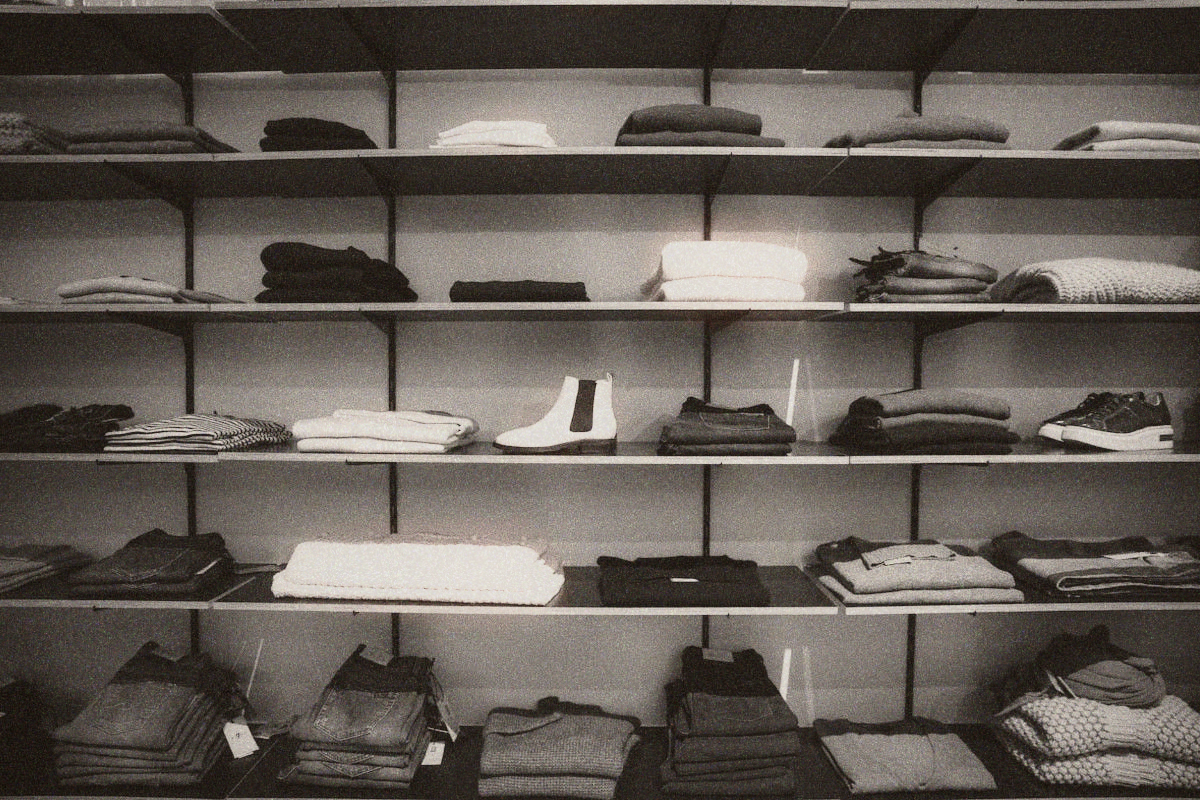 FIRST SIGHTWEBGLOne healthy pothos near a window changes the whole room. Three struggling plants on a shelf change nothing. · Color and grain by First Sight · Gold 200. · First Sight 色彩與顆粒調校 · Gold 200
Plants that actually survive in Taipei
I've killed enough plants to have opinions about this. Not proud of it, but at least the failures were educational.
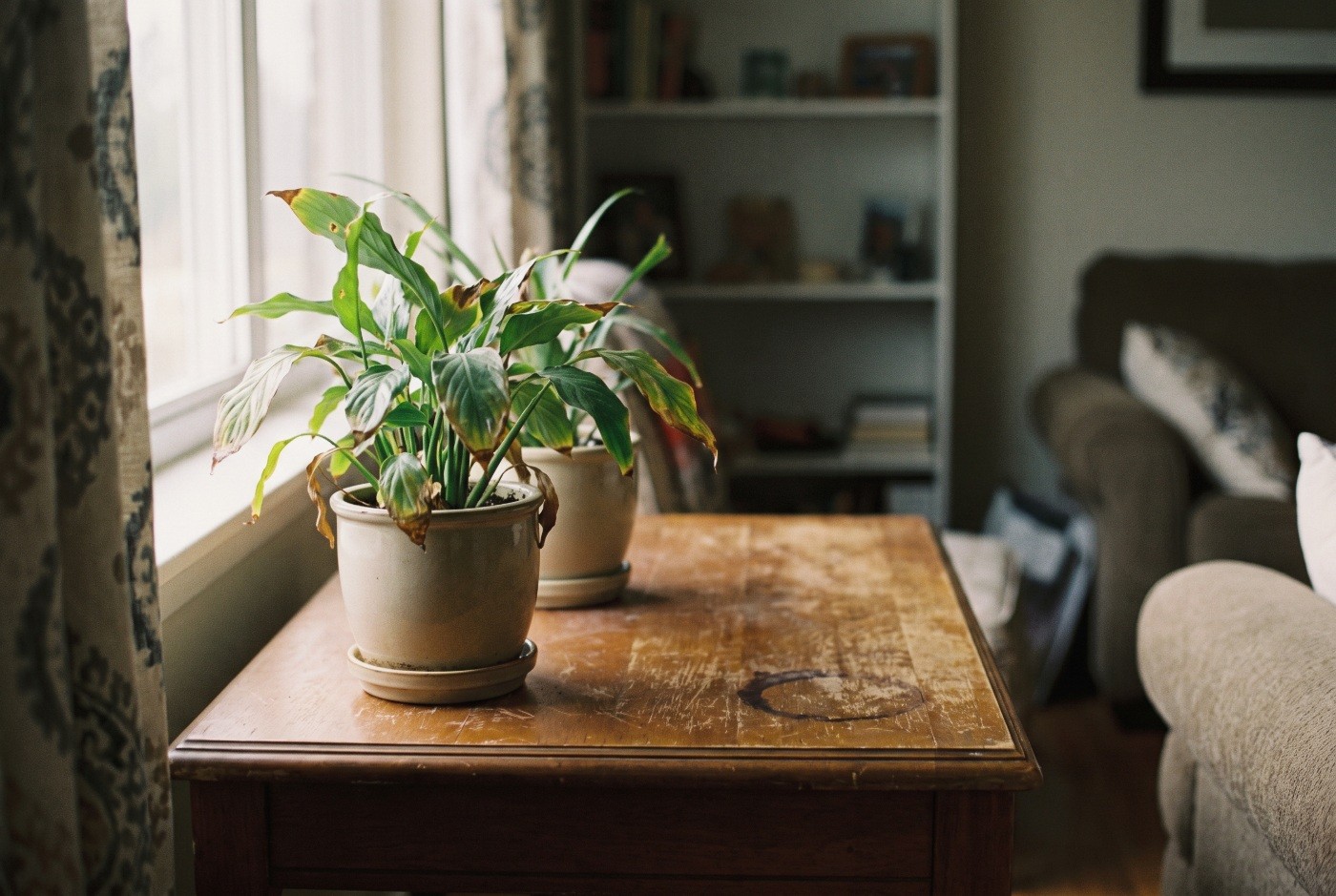 FIRST SIGHTWEBGLIllustration: Houseplants beside a living-room window. · Color and grain by First Sight · Portra 400. · First Sight 色彩與顆粒調校 · Portra 400
Pothos (黃金葛) is the answer for most people. Put it anywhere. Forget to water it for two weeks. It doesn't care. It thrives on neglect in exactly the way that high-maintenance ferns do not. Hang it in a pot near a window and the trailing leaves will make your whole room feel different within a month. Mine is four years old now, longer than most of my relationships, and it has never once complained.
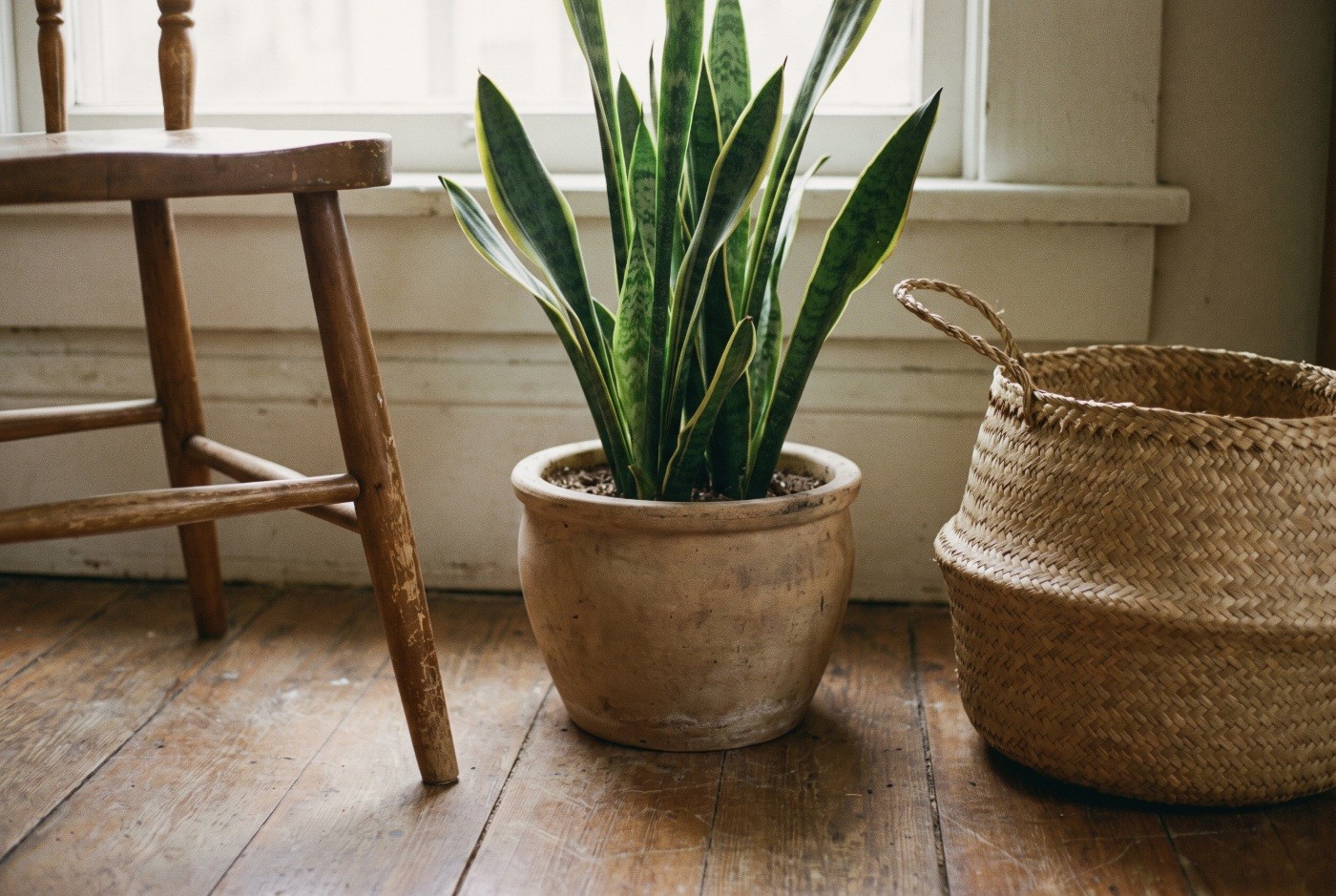 FIRST SIGHTWEBGLIllustration: A snake plant beside a chair and woven basket. · Color and grain by First Sight · Portra 400. · First Sight 色彩與顆粒調校 · Portra 400
Snake plant (虎尾蘭) is the second answer. It likes humidity, barely needs water, and the upright leaves make any corner look more deliberate. I keep one next to my desk and another by the front door.
Monstera works if you have the space and some indirect light. It grows fast in Taiwan's climate, almost alarmingly fast, so be ready to give it room or give away cuttings to friends.
The mistake people make is buying too many plants at once from the weekend market in Tianmu or the flower shops along Jianguo South Road. Start with one. Take care of it. Watch how it changes the space. Then add another when you feel like it. Three healthy plants do more for a room than ten struggling ones, and the struggling ones will make you feel like a failure every time you look at them.
Warm vs. cold: the minimalism trap
There's a version of minimalism that's popular on Taiwanese design Instagram: white walls, gray concrete, black furniture, nothing on the shelves. It photographs well. It gets a lot of saves. It's also miserable to live in.
The problem isn't minimalism. I believe in owning less. The problem is removing everything warm along with the clutter. When you throw away the junk, you also throw away the worn wooden tray, the soft blanket, the one painting that actually meant something. And suddenly you're living in a showroom that looks great on a screen and feels like nothing when you're actually sitting in it at 9pm on a Tuesday.
When you take things away, what remains should have texture. A linen throw on the sofa that you actually use, not one arranged for photos. A worn wooden tray on the kitchen counter that holds your keys and wallet. One painting that means something to you, something you'd describe to a friend, not something you bought because the wall looked empty. These things aren't clutter. They're the difference between a house and a home.
The work-from-home boundary
 FIRST SIGHTWEBGLColor and grain by First Sight · Gold 200.First Sight 色彩與顆粒調校 · Gold 200
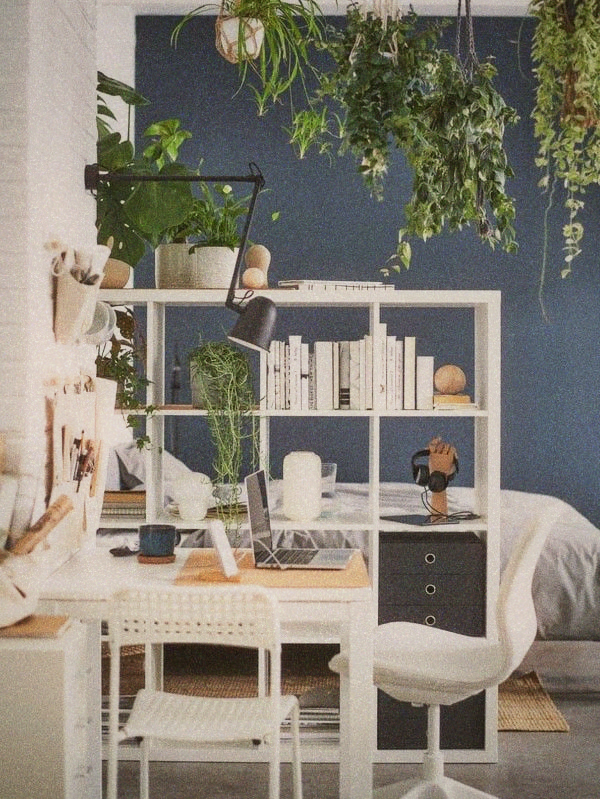
If you work from home even two days a week, you need a boundary. Not a door (most of us in Taipei don't have that luxury in a 10-to-15 ping apartment) but something physical that says "this side is work, that side is not."
A tall plant works. A bookshelf works. Even a folding screen from a vintage shop in Dadaocheng works, and those cost NT$1,500 to NT$3,000 for something with actual character. The point is that when you finish working, you can physically turn away from that space and be somewhere else, even if "somewhere else" is two meters away. The brain needs the cue. Without it, you're always at work.
The other thing that helps: an end-of-day action. I close my laptop, put it in a drawer (not just close the lid, actually put it away), and walk to the tea corner. That three-second ritual is what tells my brain the workday is over. Without it, I'd check email at 11pm from the couch, because the couch is also the office is also the bedroom is also the dining room. With the ritual, I mostly don't. Mostly.
Where to shop (when you're ready)
The goal isn't to buy things. It's to know where to go when something in your apartment breaks or you realize you need something specific, so you don't default to Shopee or IKEA and end up with something generic that you'll replace in two years.
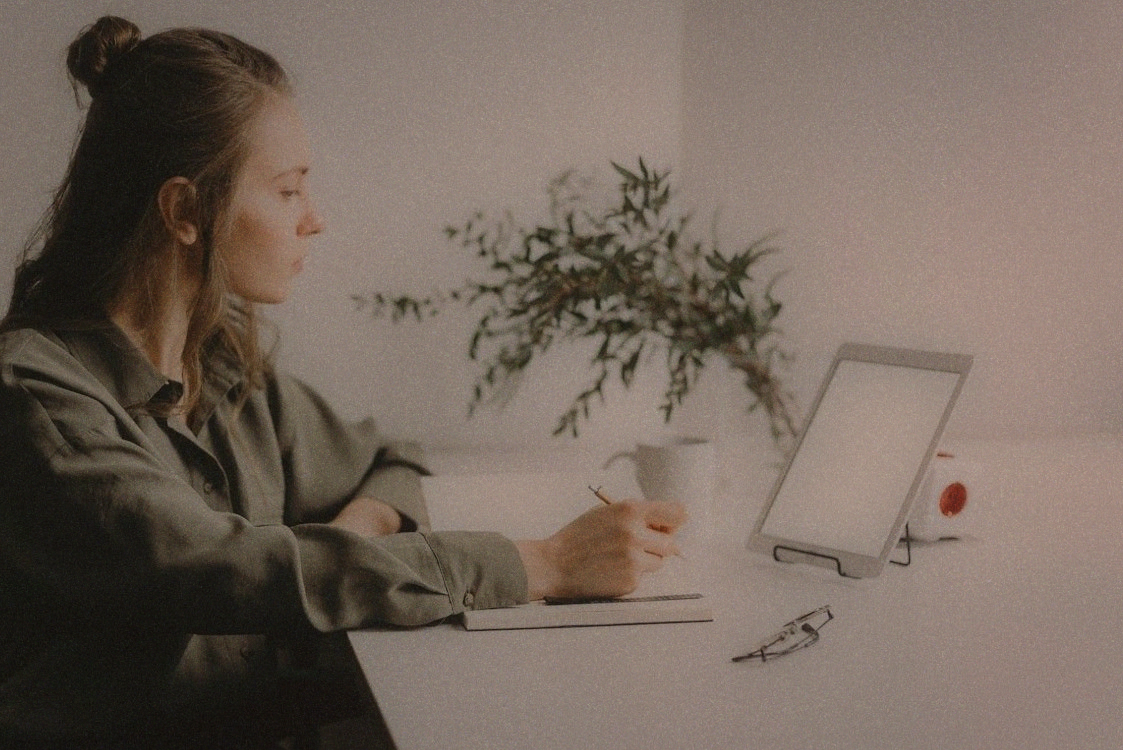 FIRST SIGHTWEBGLOne good ceramic mug from Xiaoqi, NT$800 to NT$1,200, will change your morning more than a NT$15,000 sofa you sit on while scrolling your phone. · Color and grain by First Sight · Gold 200. · First Sight 色彩與顆粒調校 · Gold 200
Starting this week
You don't need a budget. You don't need a plan. You don't need to follow someone on Instagram. You need fifteen minutes.
Sit in your apartment at three different times today. Morning, afternoon, evening. Notice where the light is. Notice where you naturally sit. Notice which objects you actually touch and which ones are just there, taking up space, contributing nothing.
That's your starting map. The rest follows from paying attention. And paying attention, unlike everything at IKEA Xinzhuang, is free.
Frequently Asked
Some links in this article are affiliate links. If you purchase through them,OQUA may earn a small commission at no extra cost to you. This helps support our editorial work. We only link to products and services we genuinely reference in our writing.
Comments (0)
Loading comments...