
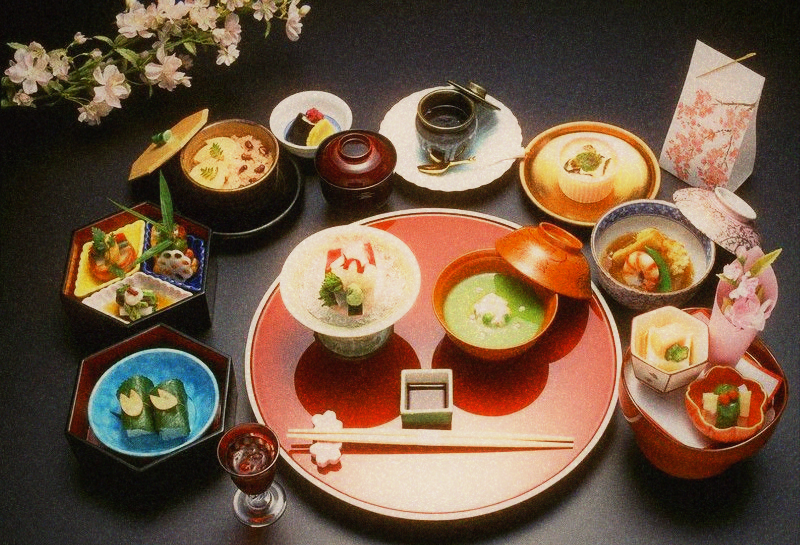
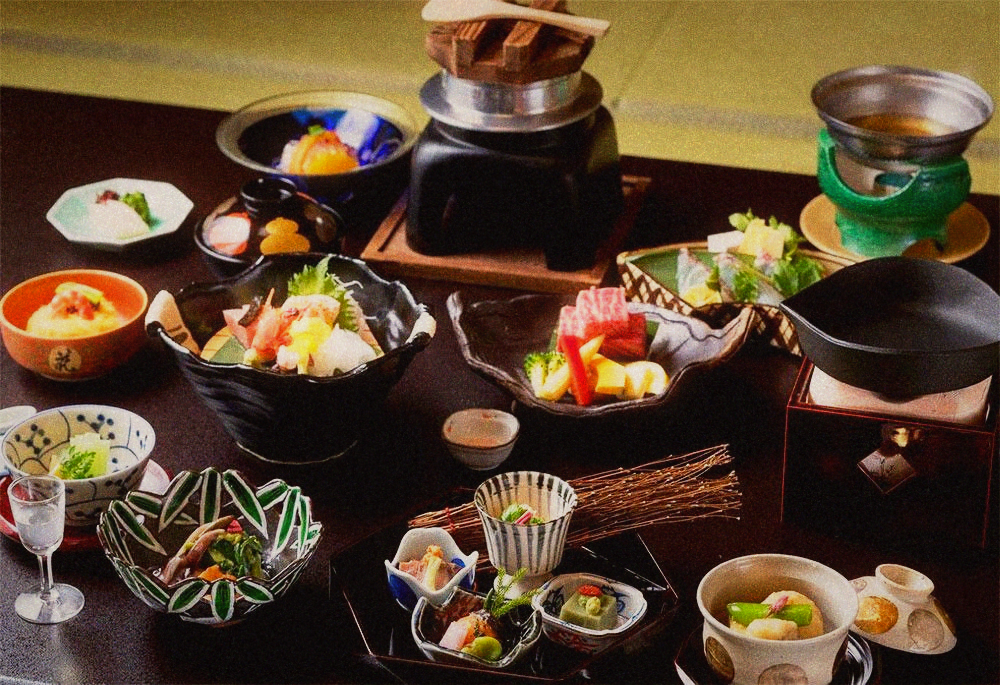
A kaiseki meal, served in your ryokan room, progresses through eight to twelve courses showcasing the season's finest ingredients
The fantasy of a Kyoto ryokan, tatami floors, a private onsen, kaiseki dinner served in your room by a silent attendant, typically comes with a price tag that starts at ¥50,000 per person per night and moves rapidly upward from there. For most travellers, this remains exactly that: a fantasy.
The good news is that the essential qualities of a ryokan stay, the architecture of care, the bath ritual, the unhurried evening meal, the feeling of being inside an older Japan, do not require a six-figure invoice. They require finding the right properties at the right moment.
This is our working list.
What Actually Defines the Ryokan Experience
Before the recommendations, it helps to clarify what you're actually buying when you stay at a ryokan, because understanding this helps calibrate expectations at any price point.
The ryokan experience is fundamentally about time architecture: a structured progression from arrival through bath, dinner, sleep, morning bath, and breakfast. The quality of each element matters less than the integrity of the sequence. A modest room with a shared bath and an honest kaiseki-style dinner can deliver the experience more completely than a luxury room in a hotel that calls itself a ryokan but operates like one.
What to prioritise at any budget:
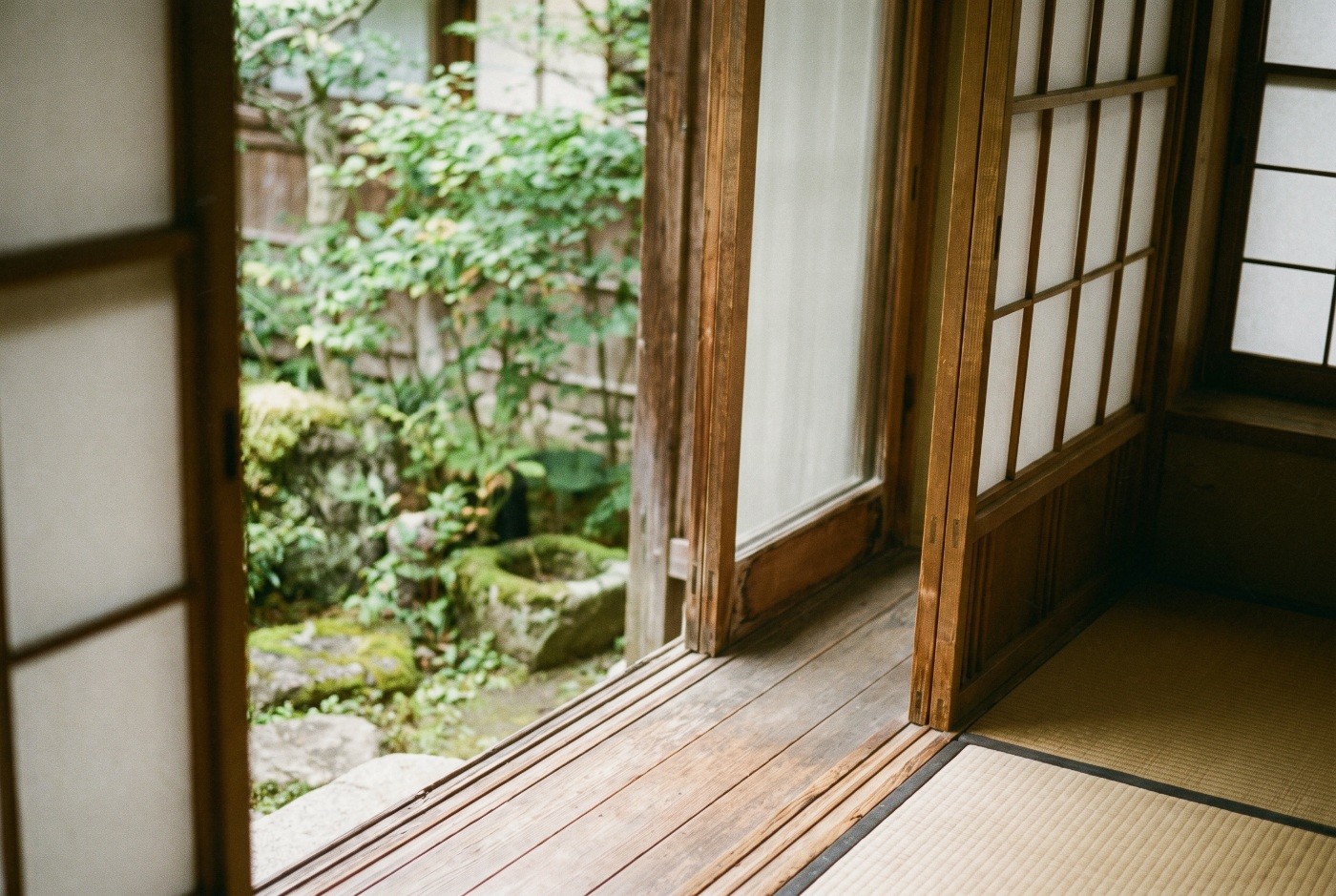
 FIRST SIGHTWEBGLIllustration: An open window facing a small garden. · Color and grain by First Sight · Superia. · First Sight 色彩與顆粒調校 · Superia
- Genuine tatami rooms (not just tatami-look flooring), real rice straw and woven surface, which develop a subtle patina over decades
- In-house dining, at minimum, breakfast; ideally dinner too
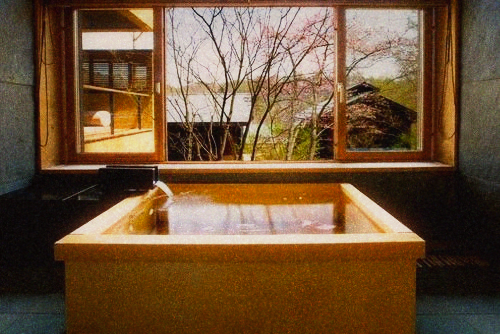
- A functioning communal or private bath using onsen water (or at minimum, a well-maintained bath with hinoki cedar, which has antimicrobial properties and a calming scent)
- A family or owner-operated property rather than a chain, this is where the personality and attention to detail lives
- Location in or adjacent to a traditional neighbourhood (Gion, Higashiyama, Arashiyama, Pontocho)
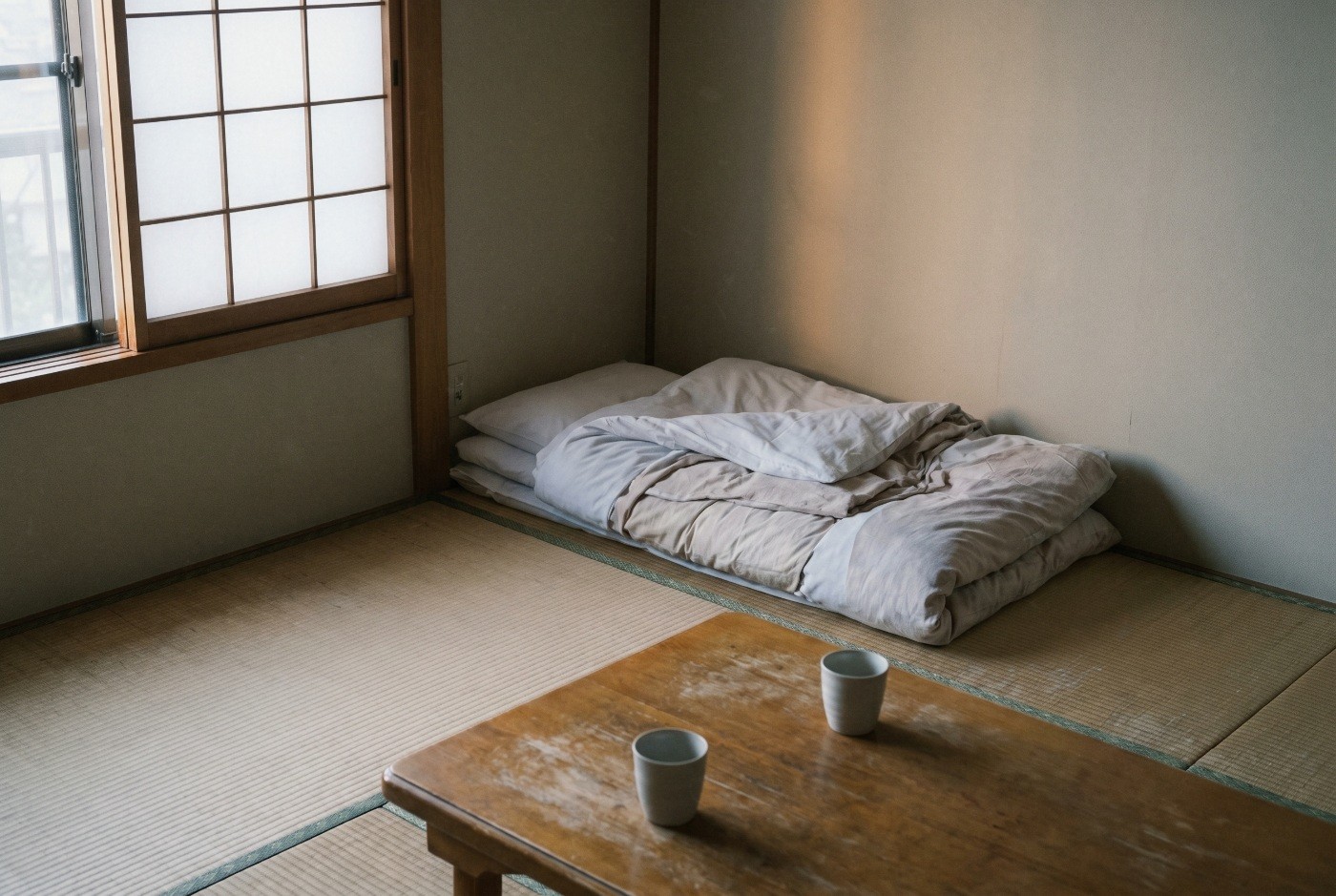 FIRST SIGHTWEBGLIllustration: Bedding and tea cups in a tatami room. · Color and grain by First Sight · Superia. · First Sight 色彩與顆粒調校 · Superia
The Kaiseki Dinner Experience
At a proper ryokan, dinner is not incidental, it's the centerpiece of the evening. A kaiseki meal typically consists of 8–12 small courses, each served separately, designed to progress from light to heavier flavors and showcase seasonal ingredients at their peak.
A typical kaiseki progression: aperitif, appetizer, sashimi, soup, grilled item, steamed dish, fried item, rice course, pickled vegetables, dessert, tea. Each course is plated with care and arrives at the precise moment it should be eaten. Service is choreographed, the server (often the owner's wife or a family member) arrives silently, places the dish, explains it briefly, and departs. No rushing. No upsell. Just attentiveness.
At budget ryokans under ¥30,000, don't expect Michelin-star finesse, but expect seasonal honesty. Spring brings bamboo shoots, cherry leaves, river fish. Summer features lighter broths, grilled vegetables, chilled preparations. Autumn is all mushrooms, chestnuts, and game. Winter goes rich, meat broths, preserved items, root vegetables. A ryokan that changes its menu quarterly is worth your money; one that serves the same menu year-round is cutting corners.
Onsen Etiquette & Bath Culture
 FIRST SIGHTWEBGLColor and grain by First Sight · Gold 200.First Sight 色彩與顆粒調校 · Gold 200
The onsen ritual is non-negotiable. Proper etiquette:
- Before entering the bath, rinse your entire body with the small shower provided. This is not optional, it's essential for hygiene and respect
- Enter the bath water slowly; it's usually quite hot (40–42°C / 104–108°F)
- Soak for 10–15 minutes. This is the moment to slow down. No phones. No rushing
- Do not drain the bath or refill it, the water is communal (unless you have a private onsen)
- Exit, dry yourself, and retreat to your room feeling genuinely warm through to your core
The bath at a ryokan is where the experience deepens. Many guests report that this 15-minute period, the warm, quiet, cedar-scented bath alone, is worth the entire stay. It's one of the few moments in modern life where you're forced to do absolutely nothing.
Seasonal Considerations
Ryokan prices in Kyoto are driven almost entirely by timing. The same room that costs ¥40,000 per person during peak autumn foliage (mid-November) or cherry blossom season (late March to early April) will price at ¥18,000–¥22,000 in January, early June, or late August.
Spring (March–April): Cherry blossoms. The busiest season. Every ryokan is booked. Prices peak. The city is crowded with tourists and tour groups. The experience is lovely but not peaceful. Unless cherry blossoms are non-negotiable, skip this season.
Early Summer (May–early June): Hydrangeas (ajisai) and greenery. The gardens are at their most vivid. Humidity hasn't hit yet. Water temperatures are comfortable for bathing. Hotels price at ¥20,000–¥25,000. This is genuinely underrated. Book 6–8 weeks in advance.
Summer (July–August): Heat and festivals. Kyoto summers are brutally hot and humid. Most ryokans offer air conditioning in rooms now, but the classical onsen experience gets muddied by the summer heat. However, nighttime festivals (Gion Matsuri in July) are exceptional. Prices drop to ¥18,000–¥20,000. A good bet if you enjoy crowds and festivities.
Autumn (September–mid-November): Foliage. Peak foliage is mid-November. The whole world books simultaneously. Mid-September to mid-October offers autumn color without maximum crowds. Prices are ¥25,000–¥35,000 depending on proximity to peak weeks. Still excellent timing.
Winter (December–February): Cold, quiet, plum blossoms. The best-kept secret. Kyoto is genuinely beautiful in winter, the temples look older, the light is softer, the streets are genuinely empty. Plum blossoms (ume) begin in late January. Prices plummet to ¥16,000–¥20,000. Book directly with ryokans; this is when they offer their best rates.
Recommendations Under ¥30,000 Per Person
 FIRST SIGHTWEBGLA traditional Kyoto ryokan courtyard, where the garden is as much a part of the ritual as the bath and meal · Color and grain by First Sight · Gold 200. · First Sight 色彩與顆粒調校 · Gold 200
These properties represent consistent quality in the ¥18,000–¥28,000 per person range (including dinner and breakfast, which is the standard ryokan pricing model).
Gion Hatanaka, Gion, Higashiyama Ward
One of Kyoto's best-known mid-range ryokans, with a reputation spanning four decades in the geisha district. The rooms are modest (12–15 tatami) but genuinely traditional, no TV, no modern intrusions. The kaiseki dinner is exceptional for the price point, with emphasis on Kyoto vegetables and seasonal river fish. The service staff, many are family members, have the quiet manner of people who have been doing this correctly for generations. Dinner includes dishes that change with the season; winter features rich bone broths, while spring highlights young bamboo shoots and fresh greens. The shared onsen is small but meticulously maintained with hinoki cedar lining. Expect ¥20,000–¥25,000 per person depending on season. Book months ahead for autumn; walk-in availability in winter is good.
Tawaraya Annex properties, Various locations
The main Tawaraya (est. 1705) is among Japan's oldest ryokans and costs ¥80,000+. But Kyoto's older ryokan families have created smaller annex properties operating at ¥18,000–¥25,000 per person with nearly equivalent sensibility. These annexes have real tatami, shared or semi-private baths, and breakfast service, but smaller rooms and shared dining areas. The key is research and direct booking, many don't advertise on international platforms. Call or email directly; Japanese-language booking pages often have better availability.
Ryokan Motonago, Higashiyama, above Kiyomizudera
A small, family-run property with only twelve rooms in the quiet streets above the Kiyomizudera Temple approach. The building itself is 40+ years old but impeccably maintained. Rooms are 10–13 tatami with river views. The communal bath uses genuine Arashiyama-area well water, cooler than hot spring water but clean and slightly mineral-rich. Breakfast is elaborate, served in your room on individual trays with eight to ten small dishes: grilled fish, pickled vegetables, miso soup, rice, egg, nori, fresh fruit. The owners speak English well and have clearly cultivated an approach where guests feel genuinely welcomed rather than processed. Dinner is not included (you arrange your own in the neighborhood) but the absence forces you to explore Higashiyama's restaurants. Price: ¥18,000–¥22,000 per person. Reserve 6–8 weeks in advance.
Yoshida Sanso, Yoshida Hill, North Kyoto
Technically a villa rather than a traditional ryokan, but the experience exceeds many formal ryokans. Built in 1932 for a Japanese prince, the property features original architecture, lush gardens, and eight rooms overlooking a private garden. The morning view alone, mist rising from the valley, moss-covered stone lanterns, justifies the stay. Breakfast is served in the dining room overlooking the garden and is exceptional: grilled fish, seasonal vegetables, handmade tofu, rice cooked in an earthen pot. Dinner is available (kaiseki-style) but not included. The staff are attentive without being intrusive. Price: ¥22,000–¥28,000 per person. Book directly; limited international visibility. Winter availability is best.
Ryokan Yumoto, Arashiyama
Smaller property (eight rooms) with a private onsen fed by local spring water. The neighborhood is Arashiyama's quieter western side, removed from the main bamboo grove tourist flow. Rooms are 10–12 tatami. Service is personalized, the owner greets guests at arrival and handles check-in personally. Dinner includes river fish and mountain vegetables; breakfast is similarly modest but carefully sourced. Price: ¥19,000–¥24,000 per person. Less famous than central Kyoto ryokans, which means fewer booking hassles and better walk-in availability in shoulder seasons.
Booking Strategy
Direct booking is almost always preferable to international platforms for ryokans. Many properties hold back their best rooms and best rate periods for direct guests. Call or email in Japanese if you can, or use the Japanese-language version of the booking site. The response rate and room quality are measurably better.
Booking timeline: - Peak seasons (cherry blossoms, peak autumn): Book 8–12 weeks in advance - Shoulder seasons (May–June, early autumn): 6–8 weeks - Low seasons (January–February, August): 4–6 weeks or even walk-in
Language barrier: If you don't speak Japanese, send an email in English with specific dates, number of guests, and dietary restrictions. Many ryokan owners have enough English for email correspondence. Include your phone number; some prefer to call and discuss directly.
Payment: Many ryokans require a 30–50% deposit to secure the booking, typically via bank transfer. Final payment is due at check-in (cash or card).
What to Pack for a Ryokan
- Minimal luggage. Ryokans have small rooms. A carry-on suitcase is ideal. You'll unpack once and stay put
- Comfortable clothes for after-bath. Bring a lightweight cardigan or shirt to wear in your room after soaking
- No indoor shoes. Ryokans typically ask you to remove shoes upon arrival; you walk in socks or bare feet
- Toiletries. Most ryokans provide shampoo, conditioner, and basic soap, but bring your preferred items
- Modest dinner clothes. Nothing formal, but clean and respectful. Avoid athletic wear or very casual attire
Taiwan to Kyoto Ryokan: A Realistic Timeline
From Taiwan travellers specifically: the 2.5-hour flight from Taipei to Osaka followed by a 75-minute train to Kyoto makes this a legitimate long-weekend destination. Friday evening flight in, Sunday evening return gives you three full days.
A realistic three-day Kyoto itinerary with a ryokan night:
- Friday evening: Arrive Kyoto 9pm, check into ryokan, light late dinner or snack
- Saturday morning: Onsen, breakfast at ryokan, explore Gion or Higashiyama temples (walking distance), kaiseki dinner at ryokan
- Sunday morning: Final onsen and breakfast, depart for Osaka Station by 2pm
One ryokan night is sufficient. Two nights allows for a day trip to Arashiyama or Philosopher's Walk without rushing. A full week is ideal but not necessary for the essential experience.
Comparison with Taiwan Hot Springs
Taiwan's hot spring culture (Beitou, Jiaoxi, Luodong) emphasizes the bath itself, the water quality, the mineral content, the therapeutic value. The surrounding experience is secondary.
Japanese ryokan culture inverts this: the bath is part of a larger ritual. The meal, the silence, the architecture, the garden, the progression of the evening, these are equally important. A modest ryokan bath in cold water would not diminish the experience; a luxury hotel with an exceptional bath would if it lacked the ceremonial structure.
Taiwan hot springs are about relaxation and wellness. Ryokans are about temporal discipline, slowing down and following a choreographed sequence. They serve different psychological needs.
Frequently Asked
Some links in this article are affiliate links. If you purchase through them,OQUA may earn a small commission at no extra cost to you. This helps support our editorial work. We only link to products and services we genuinely reference in our writing.
Comments (0)
Loading comments...