
Why Taiwan Is Already Ahead
Most sustainable living guides start with guilt. This one starts with a fact: Taiwan recycles over 55% of its waste, ranking it among the top five nations globally. The infrastructure already exists. Your job is to use it.
But sustainability in Taiwan looks nothing like the Instagram version. You won't be composting in a garden you don't have. You won't be buying glass containers for a kitchen the size of a closet. What you will be doing is working within systems that are surprisingly well-designed — once you understand how they actually work.
The Garbage Truck System (It's Better Than You Think)
If you've lived in Taiwan for more than a week, you've heard the music. The garbage truck plays Beethoven's "Für Elise" or "A Maiden's Prayer" as it rolls through your neighborhood, and you have about three minutes to sprint downstairs with your bags.
Here's what most newcomers get wrong: there are two trucks. The first is general waste. The second, usually arriving a few minutes later, is recycling. And Taiwan's recycling categories are remarkably specific.
What goes where
General waste (paid bags): Only items that truly can't be recycled. If you're filling more than one small bag per week, you're probably sorting wrong.
Recycling truck (free): Paper, plastics 1-7, metals, glass, electronics, batteries, light bulbs, clothing, and cooking oil. Each category goes in a separate bin on the truck.
Kitchen waste: Cooked food scraps go in one bucket (for pig feed), raw food scraps in another (for composting). The truck carries both.
The real cost savings
Taipei's pay-per-bag system charges NT$0.36-2.14 per liter depending on bag size. A family that sorts properly can reduce to one small bag per week — about NT$50/month instead of NT$200+. The recycling is free.
Energy: The Electricity Bill Reality
Taiwan's tiered electricity pricing means the first 120 kWh per month costs NT$1.78/kWh during the summer rate period (June 1 to September 30), the next 210 kWh NT$2.55/kWh, and everything above that NT$3.80/kWh. For a typical apartment, this means:
Air conditioning strategy
The single biggest electricity cost in Taiwan is cooling. A window unit running 8 hours daily in summer adds NT$2,000-4,000 to your monthly bill. An inverter split-system doing the same job costs about 40% less.
The 26-28°C rule: Setting your AC to 26°C instead of 22°C reduces energy consumption by roughly 30%. Pair it with a fan for circulation and you won't notice the difference.
 FIRST SIGHTWEBGLSmall swaps, done daily. · Color and grain by First Sight · Gold 200. · First Sight 色彩與顆粒調校 · Gold 200
Dehumidify mode: On days when the temperature is tolerable but humidity hits 80%+, switch to dehumidify mode. It uses about half the energy of cooling mode and often makes the room more comfortable.
Water heating
Electric water heaters running 24/7 are common in older apartments and silently expensive. A timer switch (NT$300 at any hardware store) that runs the heater for just 2 hours before your usual shower time saves 60-70% of that cost.
Water Conservation (It Matters More Than You Think)
Taiwan receives more rainfall per capita than most countries, but the island's steep terrain means water runs off fast. Reservoir levels swing dramatically between typhoon season abundance and spring drought warnings.
Practical changes
Washing machine timing: Full loads only. A half-load uses about 70% of the water of a full load — not 50%.
The toilet upgrade: Older apartments often have 12-liter flush toilets. A dual-flush replacement (3/6 liters) costs about NT$3,000 installed and pays for itself in 8-12 months.
Kitchen habits: Taiwanese cooking generates more oil-heavy dishwashing than most Western cuisines. Wiping pans with newspaper before washing reduces both water usage and drain contamination significantly.
The Plastic Reality
Taiwan banned free plastic bags in 2018, and most chain stores charge NT$1-2 per bag. But single-use plastic is still everywhere: drink cups, food containers, convenience store packaging.
What actually reduces your plastic footprint
Bring a tumbler everywhere. Taiwan's drink culture means 2-3 beverages per day is normal. That's 700-1,000 cups per year per person. Most shops offer NT$3-5 discount for bringing your own.
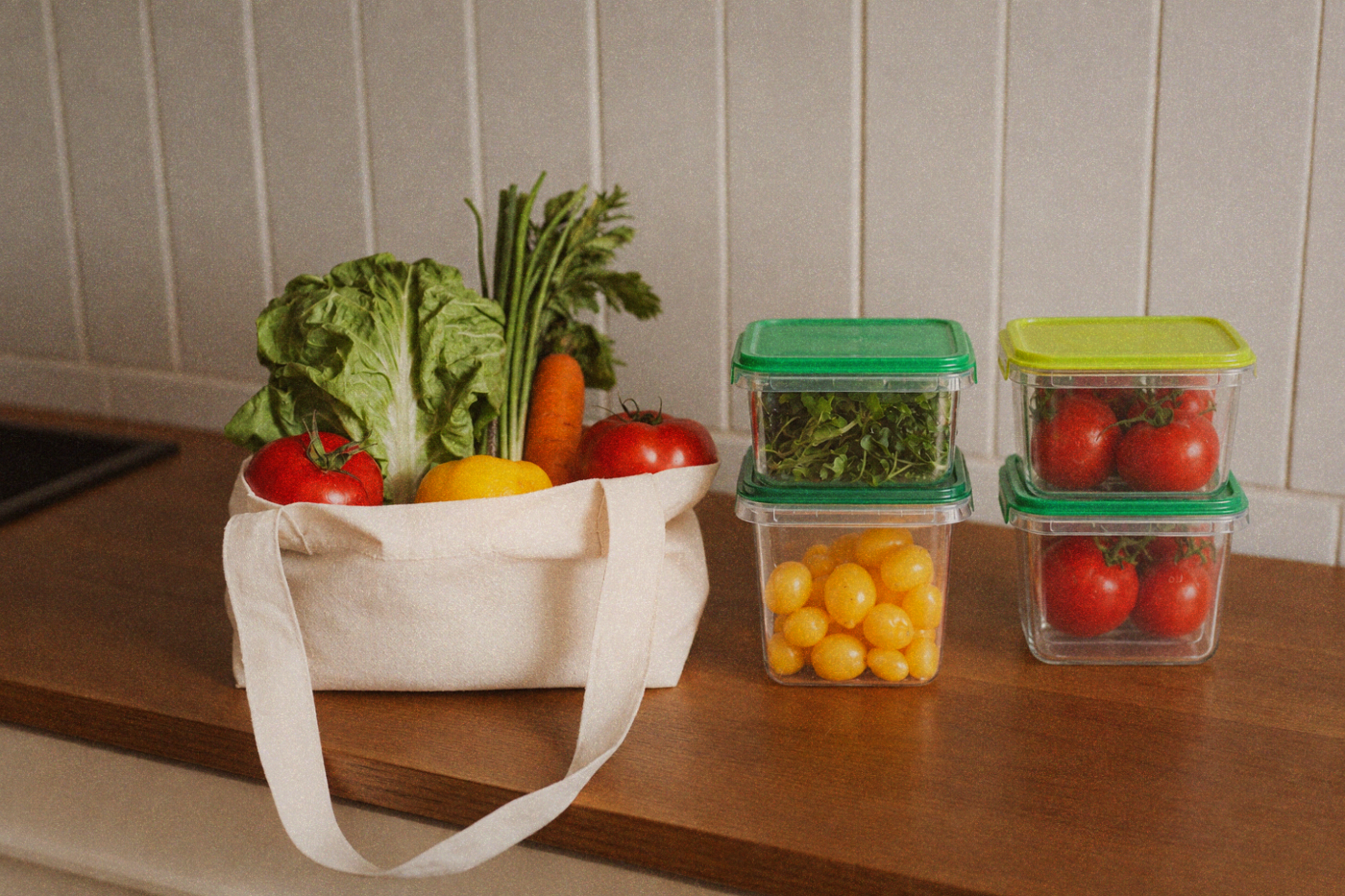
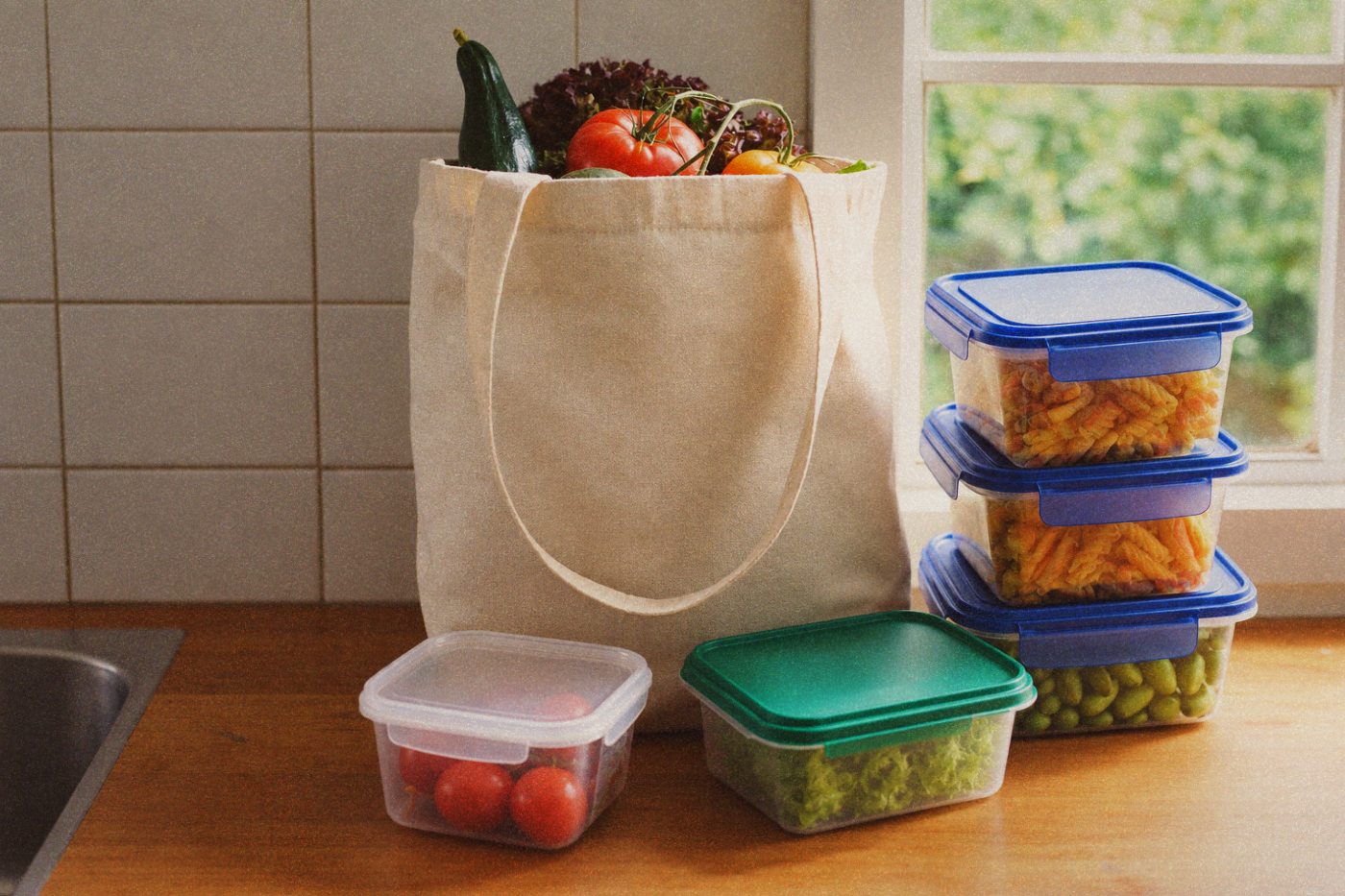
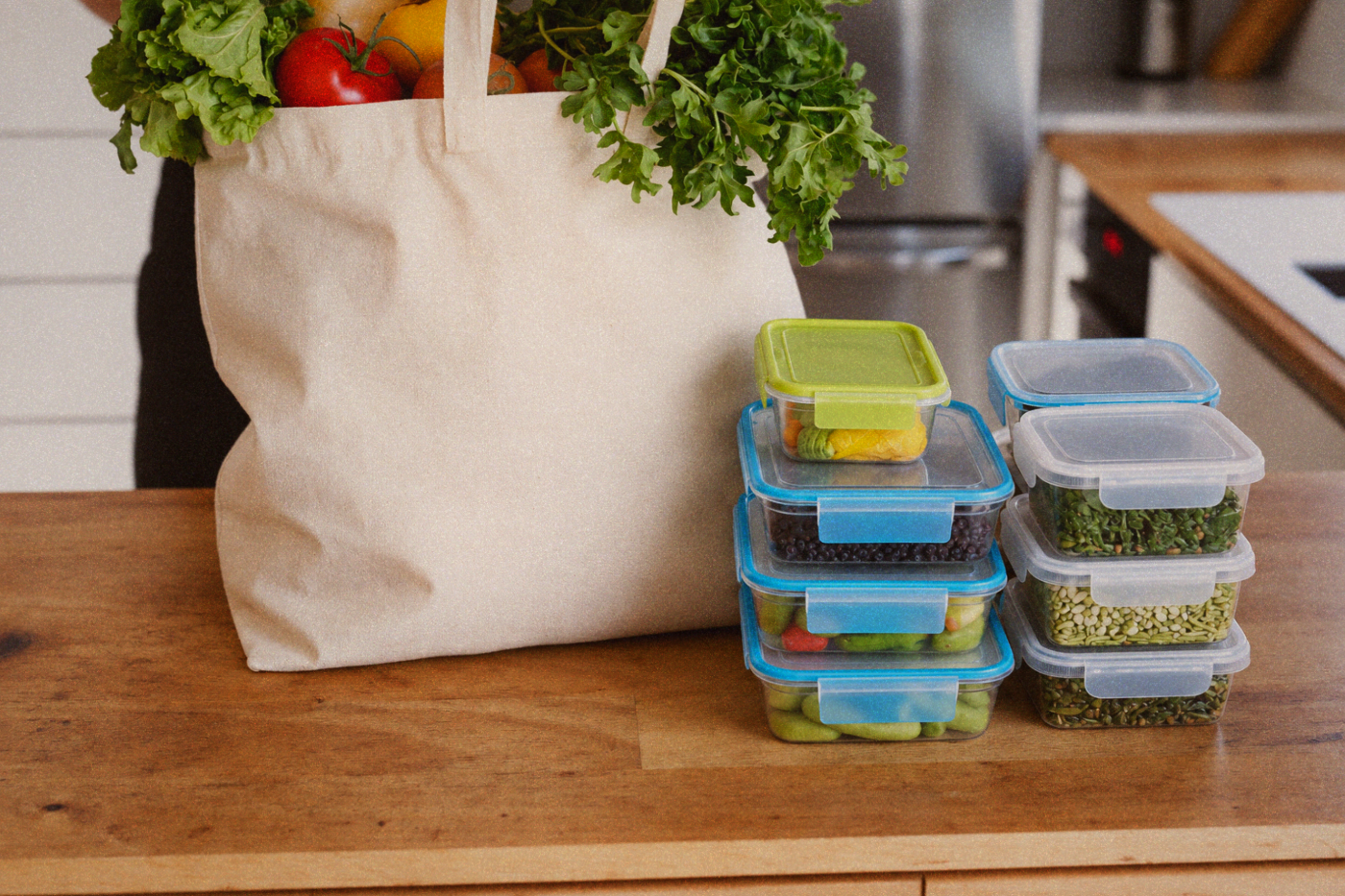
Reusable food containers for takeaway. This feels awkward for about a week. Then it becomes automatic. Night market vendors don't care — they've seen it before.
Skip the convenience store lunch packaging. A bento from a traditional shop generates one container. The same meal from 7-Eleven generates a bag, a box, chopstick wrapper, wet wipe, and receipt.
Shopping Sustainably in Taipei
Refill stations and bulk stores
- Unpackaged.U (Daan District): Bulk cleaning products, grains, snacks. Bring your own containers.
 FIRST SIGHTWEBGLSmall swaps, done daily. · Color and grain by First Sight · Gold 200. · First Sight 色彩與顆粒調校 · Gold 200
- Green in Hand (multiple locations): Package-free personal care, cleaning supplies.
- Traditional markets: Already the most sustainable shopping option. No packaging, seasonal produce, and prices that beat supermarkets.
Second-hand and vintage
Taiwan's second-hand culture is thriving. Treasure Hunting Map (寶藏巖) in Gongguan, the weekend flea markets at Zhongshan Creative Hub, and online platforms like Carousell and Facebook Marketplace move significant volume.
Larger items — furniture, appliances, electronics — often appear on roadsides with "free" signs. In Taiwan, this isn't dumping; it's a recognized reuse system.
The Apartment Humidity Problem
This is where most international sustainability advice falls apart. Taiwan's 70-90% humidity creates problems that temperate-climate guides never address:
Mold prevention without chemicals
Ventilation circuits: Open windows on opposite sides of your apartment for 15-20 minutes daily, even in summer. Cross-ventilation is more effective than any dehumidifier at preventing mold establishment.
Dehumidifier economics: A good dehumidifier running in rainy season costs about NT$300-500/month in electricity but prevents damage to clothing, books, furniture, and walls that would cost far more to replace.
Natural desiccants: Charcoal bags (available at Daiso for NT$49) in closets and shoe cabinets absorb moisture effectively. Replace every 2-3 months. More effective than silica gel in sustained humidity.
Cleaning product alternatives
White vinegar + baking soda: Handles 80% of apartment cleaning tasks. Both available at any supermarket for under NT$100 total.
Citric acid: Better than commercial descalers for kettles, bathroom fixtures, and washing machines. NT$50 for a year's supply at chemical supply shops.
Transportation: You're Probably Already Doing This Right
If you live in Taipei and use the MRT, YouBike, and walk, your transportation carbon footprint is already lower than 90% of the developed world. There's not much to optimize here.
YouBike 2.0: The first 30 minutes cost NT$5. For most urban trips, this is cheaper and faster than any alternative. The system has over 1,400 stations in greater Taipei.
Scooter vs. public transit: An electric scooter (Gogoro) produces about 60% less CO2 per kilometer than a gas scooter, but significantly more than the MRT. The math only favors Gogoro if your commute isn't served by rail.
What Not to Bother With
 FIRST SIGHTWEBGLSmall swaps, done daily. · Color and grain by First Sight · Gold 200. · First Sight 色彩與顆粒調校 · Gold 200
Some sustainable living advice popular elsewhere doesn't translate to Taiwan:
- Composting: Unless you have a balcony garden, kitchen waste goes in the truck's composting bucket. That's already composting — at industrial scale.
- Solar panels: Apartment rooftop rights are shared. The regulatory overhead for a single unit isn't worth it. Buy green energy credits from Taipower instead (NT$1.06/kWh premium).
- Organic everything: Taiwan's organic certification is real, but the price premium is 2-3x. For most produce, "locally grown seasonal" beats "organic shipped from abroad" on every sustainability metric.
The Numbers That Matter
For a single person in a Taipei apartment, these changes combined typically save:
- NT$1,500-3,000/month on utilities and waste bags
- 300-500 kg CO2/year from energy reduction
- 500+ single-use items/year eliminated
None of this requires sacrifice. Most of it actually improves daily life. The inconvenience is temporary; the systems are permanent.
Start This Week
- Buy the correct recycling bags and sort for one week. You'll immediately see how little actual waste you generate.
- Set your AC to 27°C and add a fan. Give it three days before judging.
- Get a tumbler you actually like carrying. The NT$5 discount per drink adds up.
- Visit a traditional market instead of a supermarket. Notice the difference in packaging.
Taiwan's sustainability infrastructure is already world-class. The gap isn't systemic — it's behavioral. And behavioral gaps close faster than you think.
Comments (0)
Loading comments...