
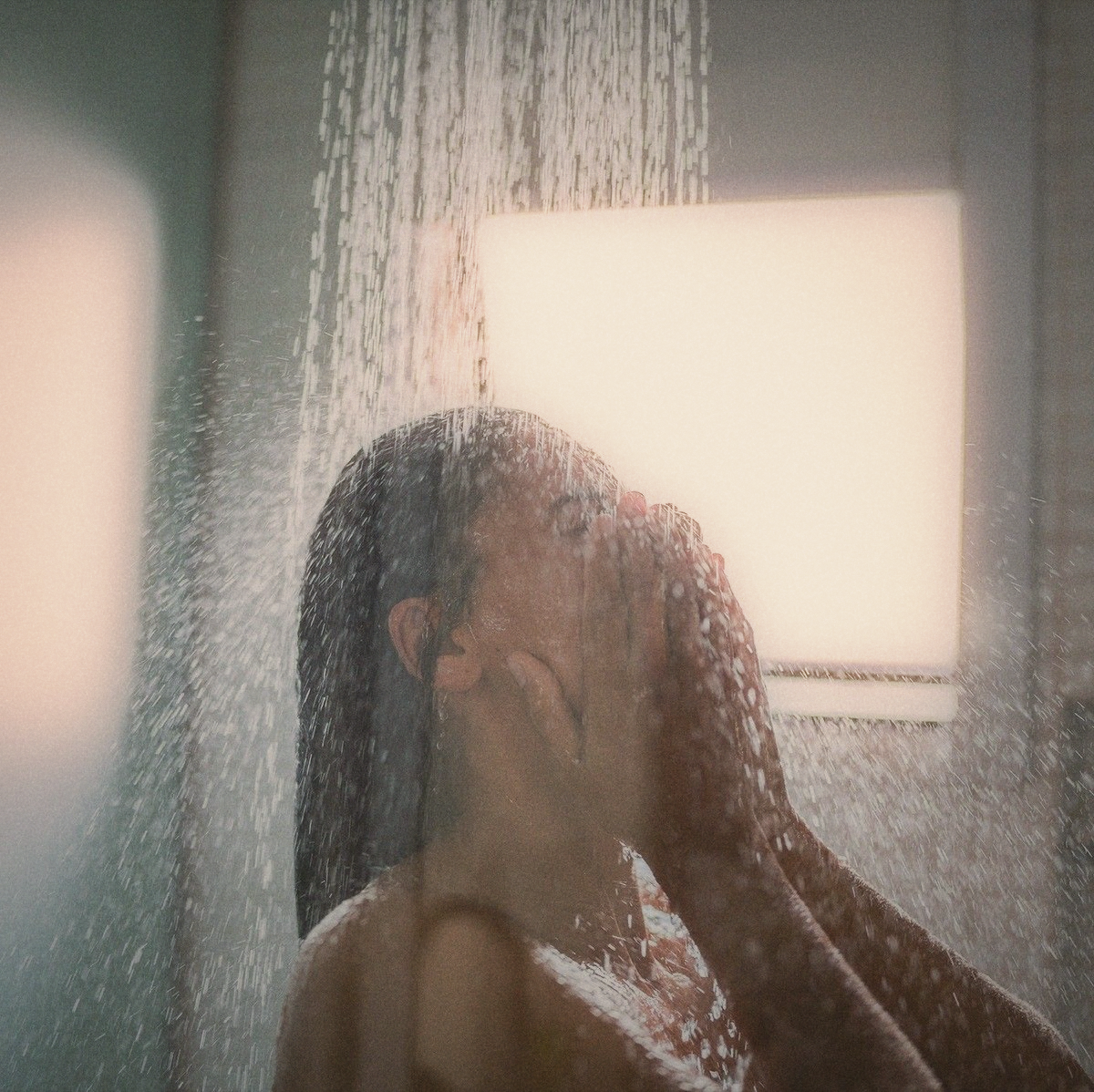
Why Cold Water Training Works
 FIRST SIGHTWEBGLColor and grain by First Sight · Portra 400.First Sight 色彩與顆粒調校 · Portra 400
The human body responds to cold water with a cascade of measurable physiological changes: norepinephrine release increases two- to threefold, blood vessels constrict then dilate, heart rate variability improves, and inflammation markers drop. These aren't fringe claims. Research from the Søeberg Group at the University of Copenhagen, published studies in the *European Journal of Applied Physiology*, and large-scale data from the Dutch "Iceman" trials have established cold exposure as a legitimate recovery and resilience tool.
But knowing the science is only half of it. The other half is figuring out how to actually do it — consistently, safely, and in a way that fits your life. In Taiwan, that comes with its own set of advantages and considerations.
The Core Benefits, Without the Hype
Cold exposure research has become noisy. Influencers claim it cures everything from depression to hair loss. Here's what the evidence actually supports:
Well-established:
- Elevated norepinephrine and dopamine levels for 2–3 hours post-exposure, improving alertness and mood
- Reduced delayed-onset muscle soreness (DOMS) after training
- Improved stress tolerance through repeated hormetic challenge
- Better thermoregulation over time
Promising but early-stage:
- Potential improvements in insulin sensitivity
- Enhanced immune function (the Thrombosis Research Institute found fewer sick days among cold shower practitioners, but sample sizes remain small)
- Brown fat activation and marginal metabolic boost
Not supported:
- Fat loss as a primary strategy (the caloric burn is minimal)
- Replacing medical treatment for clinical depression or anxiety
- "Detoxification" of any kind
Honesty about these categories matters. Cold water training is a tool, not a miracle.
Taiwan's Built-In Advantage: Natural Cold Springs
Taiwan is one of the few places in the world with naturally occurring cold springs, and two sites stand out.
蘇澳冷泉 (Suao Cold Springs), Yilan County
The springs at Suao maintain a year-round temperature of roughly 22°C and contain dissolved carbon dioxide, giving the water a light fizz against the skin. The public pool at Suao Cold Spring Park costs under NT$200 and offers a genuine cold immersion experience — no ice machine required. The town is reachable in under two hours from Taipei via the Xueshan Tunnel, making it a realistic day trip.
For a first cold spring visit: arrive in the morning before the crowds, bring a towel and a change of clothes, and plan to spend 15–20 minutes in the water. The carbonated mineral water feels distinctly different from a cold shower — more enveloping, less shocking.
知本溫泉區 (Zhiben Hot Spring Area), Taitung
Zhiben is famous for its hot springs, but several streams feeding into the area run cold, especially in the upper reaches near Zhiben National Forest Recreation Area. The contrast between hot and cold water sources creates a natural environment for contrast therapy — alternating between warm and cold immersion. Some local resorts offer both hot and cold pools specifically for this purpose.
Starting at Home: The Bathroom Protocol
 FIRST SIGHTWEBGLA close look at ice water and skin. · Color and grain by First Sight · Portra 400. · First Sight 色彩與顆粒調校 · Portra 400
Most people won't begin at a cold spring. They'll begin in their bathroom, which is fine. Here's a structured approach:
Weeks 1–2: End your shower cold
Finish your normal warm shower, then turn the water to the coldest setting for 30 seconds. Taipei city water in winter drops to roughly 15–18°C; in summer it hovers around 24–26°C. Both are cold enough to trigger an initial response.
Focus on breathing. The gasp reflex is real and involuntary. Slow, deliberate exhales through the mouth will bring it under control within 10–15 seconds. Don't fight the cold — let it arrive.
Weeks 3–4: Extend to 1–2 minutes
Gradually increase cold exposure time. Stay with the end-of-shower method, but push the duration. Pay attention to how you feel 10 minutes *after* the shower, not during it. That post-exposure clarity is the signal you're looking for.
Weeks 5–8: Full cold showers or cold-first
Start the shower cold. Three minutes is a meaningful dose. Beyond five minutes at bathroom tap temperatures, diminishing returns set in.
Month 3 onward: Consider immersion
Full-body immersion in cold water activates far more surface area than a shower stream. Options in Taiwan include:
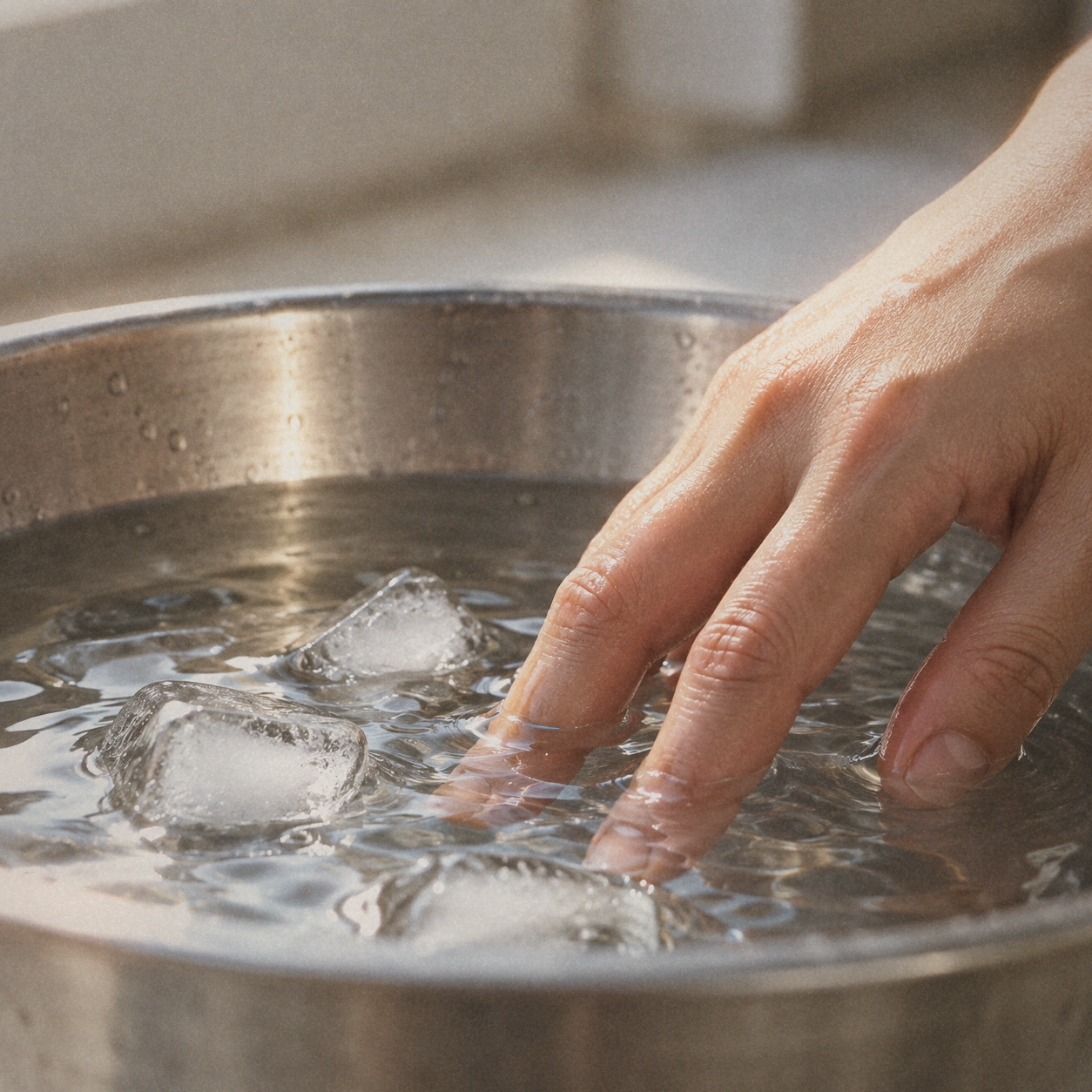
- A large plastic storage tub (the kind sold at hardware stores on Zhonghua Road for NT$300–500) filled with tap water and, in summer, a bag of ice from 7-Eleven
- Public pools during early morning lap swim hours, when water temperatures are lowest
- Cold spring visits as regular practice
Timing and Frequency
When to do it:
- Morning cold exposure pairs well with the norepinephrine spike — it replaces caffeine for many practitioners
- Post-workout cold immersion reduces soreness but may blunt hypertrophy gains if done immediately. Wait at least 4 hours after strength training; within 30 minutes after endurance work is fine
- Evening cold exposure can paradoxically improve sleep by triggering a rebound warming effect, but experiment individually
How often:
- 3–4 sessions per week is the minimum effective dose suggested by most research protocols
- Daily is fine for showers; full immersion more than 4–5 times weekly at very cold temperatures (<10°C) may become counterproductive
- Consistency matters more than intensity
Seasonal Considerations in Taiwan
Taiwan's climate creates a natural periodization:
Summer (June–September): Tap water is warm. You'll need ice to make immersion genuinely challenging. On the other hand, the post-cold sensation is extraordinarily refreshing in 35°C humidity. Summer is when most people find the habit easiest to maintain.
Typhoon season: Don't overthink this. You're in a bathroom, not outdoors. Keep your routine.
Winter (December–February): Tap water in northern Taiwan drops meaningfully. A cold shower in Taipei in January is a different experience from one in July. This is when the practice becomes a genuine test of commitment — and when the benefits feel most pronounced. The gap between air temperature and water temperature narrows, making the transition less shocking but the sustained cold more penetrating.
Spring and fall: Ideal conditions. Moderate water temperatures, comfortable enough to extend exposure time, challenging enough to trigger adaptation.
Safety: What Actually Matters
Most cold exposure safety advice is overcautious to the point of being useless, or dangerously undercautious. Here's what genuinely matters:
Non-negotiable:
- Never do cold water immersion alone in open water. Bathroom practice is inherently safer because you can step out at any time.
- If you have a cardiac condition, get clearance from a cardiologist. The cold pressor response raises blood pressure sharply.
- Hypothermia onset: if you're shivering uncontrollably, your fingers turn white and stay white, or you feel confused, get out and warm up. These are not "pushing through" moments.
Important but manageable:
- Hyperventilation in the first 15 seconds is normal. It passes. Don't submerge your head until you've controlled your breathing.
- Afterdrop — feeling colder *after* exiting the water — is real. Have warm clothes ready. Don't rely on a hot shower to rewarm; let your body do it naturally for a more complete adaptive response.
Not worth worrying about:
- "Is my water cold enough?" If it feels cold, it's cold enough.
- Exact temperature measurement (unless you're tracking for research purposes)
- Whether your technique matches what you saw on social media
Equipment, Minimal
- A thermometer (optional, roughly NT$150 at any pharmacy) if you want to track water temperature
- A timer or your phone's clock
- In summer: a bag or two of ice (NT$30 at any convenience store)
- For immersion: a large tub or 整理箱 from 小北百貨 or a hardware store
- That's it. Expensive cold plunge tubs with chillers and filtration systems exist, but they solve a problem most people don't have yet.
The Mental Game
The hardest part of cold exposure is the five seconds before you turn the handle. The cold itself is manageable. The anticipation is where resistance lives.
Two practical approaches:
The countdown method: Count down from five and turn the water on "one." Don't negotiate with yourself at two. This works because it compresses the decision window.
The immediate method: Walk into the bathroom and turn on the cold water before your planning mind engages. Habit over willpower.
Over weeks, something shifts. The cold stops being something you endure and becomes something you notice, then something you use. That shift — from reactive to responsive — is the actual benefit of the practice. Everything else is secondary.
Further Reading
- Søeberg, S. et al. (2021). "Altered brown fat thermoregulation and enhanced cold-induced thermogenesis in young, healthy, winter-swimming men." *Cell Reports Medicine.*
- Mäkinen, T. et al. (2008). "Autonomic nervous function during whole-body cold exposure before and after cold acclimation." *Aviation, Space, and Environmental Medicine.*
- Buijze, G. et al. (2016). "The effect of cold showering on health and work: A randomized controlled trial." *PLOS ONE.*
Frequently Asked
Some links in this article are affiliate links. If you purchase through them,OQUA may earn a small commission at no extra cost to you. This helps support our editorial work. We only link to products and services we genuinely reference in our writing.
Comments (0)
Loading comments...