

This protocol is installable. One tap puts all 4 weeks on your calendar, each linking back to this guide.
Install this week →Early-morning rowing: the simplest path to mitochondrial adaptation.
If you ask most people what they do for cardio, you'll hear one of two answers: nothing, or something intense. The slow middle, the kind of effort that barely feels like effort, rarely comes up. That's a problem, because that slow middle is where most of the longevity magic happens.
Zone 2 cardio has become the quiet obsession of the world's leading longevity researchers. Peter Attia, David Sinclair, Iñigo San Millán, all roads lead back to the same prescription: long, slow, aerobic work performed at a conversational pace, done consistently over years. Not intervals. Not HIIT. Not the punishing forty-minute spin class. Something more like a long walk, a gentle bike ride, or an easy jog where you could comfortably hold a full conversation the entire time.
The science behind it is both simple and profound. Understanding it might change how you think about movement for the rest of your life.
What Is Zone 2 Exactly?
 FIRST SIGHTWEBGLConversational pace on low-traffic routes: where adaptation happens. · Color and grain by First Sight · Portra 400. · First Sight 色彩與顆粒調校 · Portra 400
Your body has five heart rate training zones, ranging from complete rest to maximum effort. Zone 2 sits at roughly 60–70 percent of your maximum heart rate, the point at which your body primarily burns fat for fuel and relies almost entirely on your mitochondria to produce energy.
Mitochondria are the power plants of your cells. They take oxygen and fat and convert it into ATP, the energy currency your body runs on. The more mitochondria you have, and the more efficiently they function, the better your body handles everything: energy production, inflammation regulation, blood sugar management, and the gradual wear of aging itself.
Zone 2 training is the single most effective stimulus for mitochondrial biogenesis, the creation of new mitochondria. Nothing else comes close at the same level of sustainability and volume.
The key metabolic marker here is lactate. In Zone 2, your body produces lactate at roughly the same rate it clears it. This is called the lactate threshold. Push harder into Zone 3 or 4, and lactate accumulates faster than it can be removed, your muscles start to burn, your breathing becomes labored, and you're no longer doing Zone 2. The sweet spot is right at that threshold: effortful enough to stimulate adaptation, easy enough to sustain for an hour or more.
Why It Matters More Than You Think
The research on Zone 2 and longevity converges on a few key mechanisms.
Mitochondrial health and aging. As we age, mitochondria become fewer, larger, and less efficient. This decline is associated with virtually every major chronic disease, type 2 diabetes, cardiovascular disease, neurodegenerative conditions, and metabolic syndrome. Zone 2 training reverses this trajectory. Studies show consistent aerobic exercise at low intensity increases mitochondrial density, improves their function, and enhances the body's ability to clear dysfunctional mitochondria through a process called mitophagy. Think of it as cellular housekeeping.
Metabolic flexibility. A metabolically flexible person can seamlessly switch between burning fat and carbohydrates depending on availability and demand. Most people in modern sedentary life have lost this flexibility, their cells have become fat-oxidation impaired, relying almost entirely on glucose. This creates a dependency that makes them vulnerable to blood sugar crashes and metabolic dysfunction. Zone 2 training restores this flexibility. Over weeks and months, the body becomes better at accessing fat stores, stabilizing blood sugar, and producing energy without stress.
Cardiovascular efficiency. Zone 2 increases stroke volume, the amount of blood your heart pumps per beat. A more efficient heart beats fewer times per minute at rest, reducing lifetime cardiac strain. Elite endurance athletes often have resting heart rates in the low 40s. The lower your resting heart rate (within reason), the more cardiac reserve you carry, more capacity for stress, more resilience.
Brain health and cognitive reserve. Zone 2 exercise increases brain-derived neurotrophic factor (BDNF), sometimes called "fertilizer for the brain." BDNF supports the growth and maintenance of neurons, improves memory and learning, and appears to be protective against cognitive decline. A 2023 study in Nature Aging found that consistent aerobic exercise was one of the strongest modifiable factors for reducing dementia risk, potentially more impactful than diet or cognitive training alone.
Connection to Blue Zones research. The communities with the longest lifespans, Okinawa, Sardinia, Costa Rica's Nicoya Peninsula, don't do HIIT or intense training. They move constantly at a low intensity: walking, gardening, daily living. They accumulate enormous Zone 2 volume naturally. That natural accumulation correlates with their longevity advantage.
 FIRST SIGHTWEBGLColor and grain by First Sight · Portra 400.First Sight 色彩與顆粒調校 · Portra 400
Natural movement, low intensity, accumulated over decades: the actual blueprint for longevity.
How to Know You're Actually in Zone 2
This is where most people get it wrong. Zone 2 feels almost embarrassingly easy. If you've been doing cardio by feel and it's always felt hard, you've probably been in Zone 3 or 4 the entire time, which has its own benefits, but isn't Zone 2.
There are three ways to find your Zone 2:
The talk test. You should be able to hold a full, fluid conversation, complete sentences, no gasping, no straining to finish a thought. You're breathing elevated but controlled. If you can only manage short phrases between breaths, you've gone too hard. If you're barely breathing and could recite poetry, you're too easy. The sweet spot is conversational.
Heart rate formula. A rough formula: 180 minus your age gives you the zone ceiling. A 40-year-old's Zone 2 maximum is approximately 140 BPM. This is a starting point, not gospel, individual variation is significant, and fitness level matters. A trained athlete's Zone 2 might sit at 145 BPM; a sedentary beginner might hit the ceiling at 120. The formula is useful as a ballpark, not a prescription.
Lactate testing. The gold standard used by professional athletes. A small finger-prick blood test measures blood lactate in real time. Zone 2 corresponds to a lactate reading of approximately 1.7–2.0 mmol/L. This requires a lactate meter (around $200–300) and some trial and error, but gives you a precise, personalized Zone 2 target. If you're serious about longevity, this investment pays dividends.
For most people, the talk test is more than sufficient. Go slower than you think you need to. If you feel self-conscious about going slowly, you're at the right pace.
How Much Zone 2 Do You Actually Need?
The research consensus, particularly from San Millán's work with professional cyclists and Attia's clinical practice, points to three to four hours per week as the meaningful threshold for significant metabolic adaptation.
That sounds like a lot. It isn't, when you break it down:
- Four 45-minute sessions per week
- Three one-hour sessions
- Two 90-minute sessions plus one shorter one
- Five 40-minute sessions plus one 20-minute session
The form doesn't particularly matter. Walking, cycling, swimming, rowing, elliptical, anything that keeps you in the zone works. Running is effective but carries higher injury risk at high volumes; cycling and rowing are often better starting points for beginners. Swimming is excellent but requires pool access.
The critical variable is consistency over time. Zone 2 adaptation is cumulative and slow. You won't feel dramatically different after three weeks. After three months, you will, energy levels, recovery, metabolic markers, resting heart rate. After a year, the changes are measurable and significant.
Taiwan-specific locations for Zone 2 training
 FIRST SIGHTWEBGLColor and grain by First Sight · Portra 400.First Sight 色彩與顆粒調校 · Portra 400
The quiet hour: when Taiwan's best Zone 2 routes come alive.
Tamsui River Bike Path (淡水河濱自行車道). Flat, long, mostly car-free. Early morning before 7am is ideal. The Bitan section is protected and beautiful. 45 minutes gets you 15km at conversational pace.
Daan River Bike Path (大安河濱自行車道). Less crowded than Tamsui. Shaded sections in summer. Good for shorter sessions (30–40 minutes).
Taipei riverside parks at dawn. The area around Jianguo Park before the joggers arrive is quiet and flat.
Yangmingshan foothills walk. Not the mountain proper, the lower trail on the north side of Taipei. Gentle grade, tree-covered, less humidity at elevation. About 10km round trip at comfortable pace.
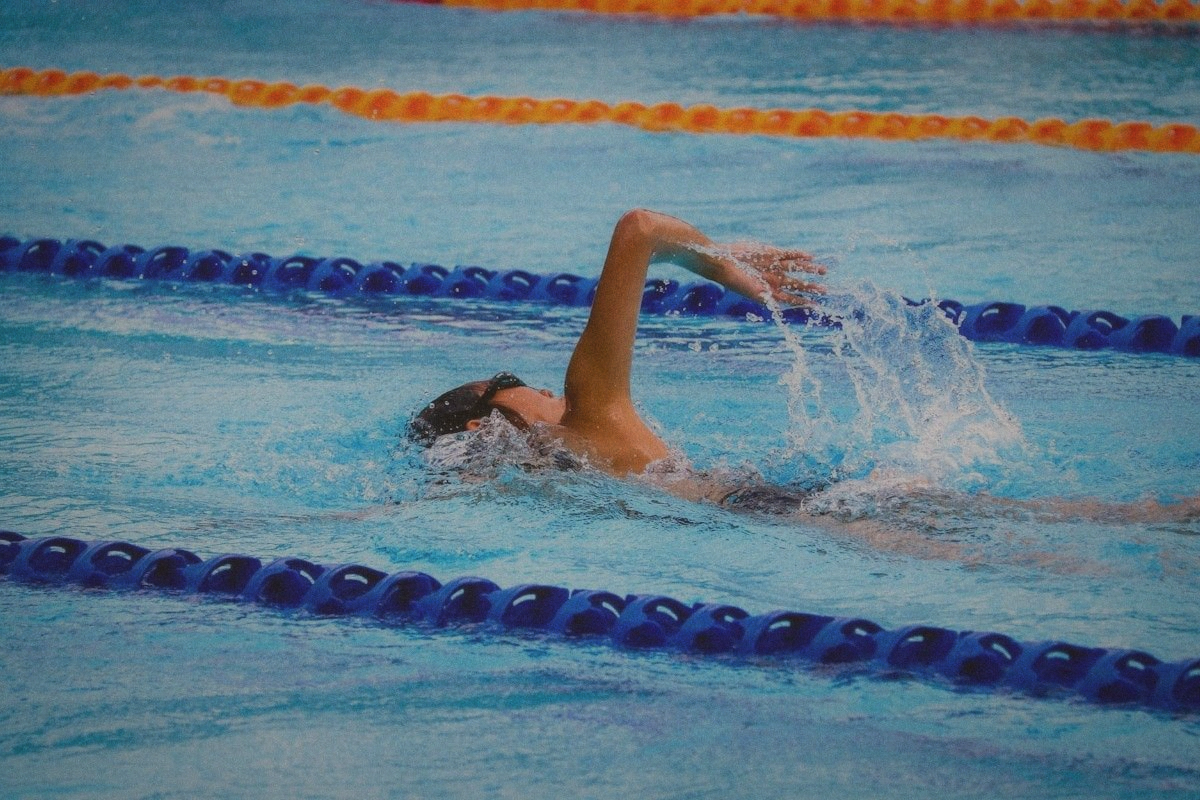
Pool swimming. Access the public pools in Taipei (like the facility at Liuzhangli). Swimming is lower-impact than running and ideal for people with joint concerns. Continuous lap swimming at conversational pace is Zone 2.
How to combine Zone 2 with strength training
 FIRST SIGHTWEBGLColor and grain by First Sight · Portra 400.First Sight 色彩與顆粒調校 · Portra 400
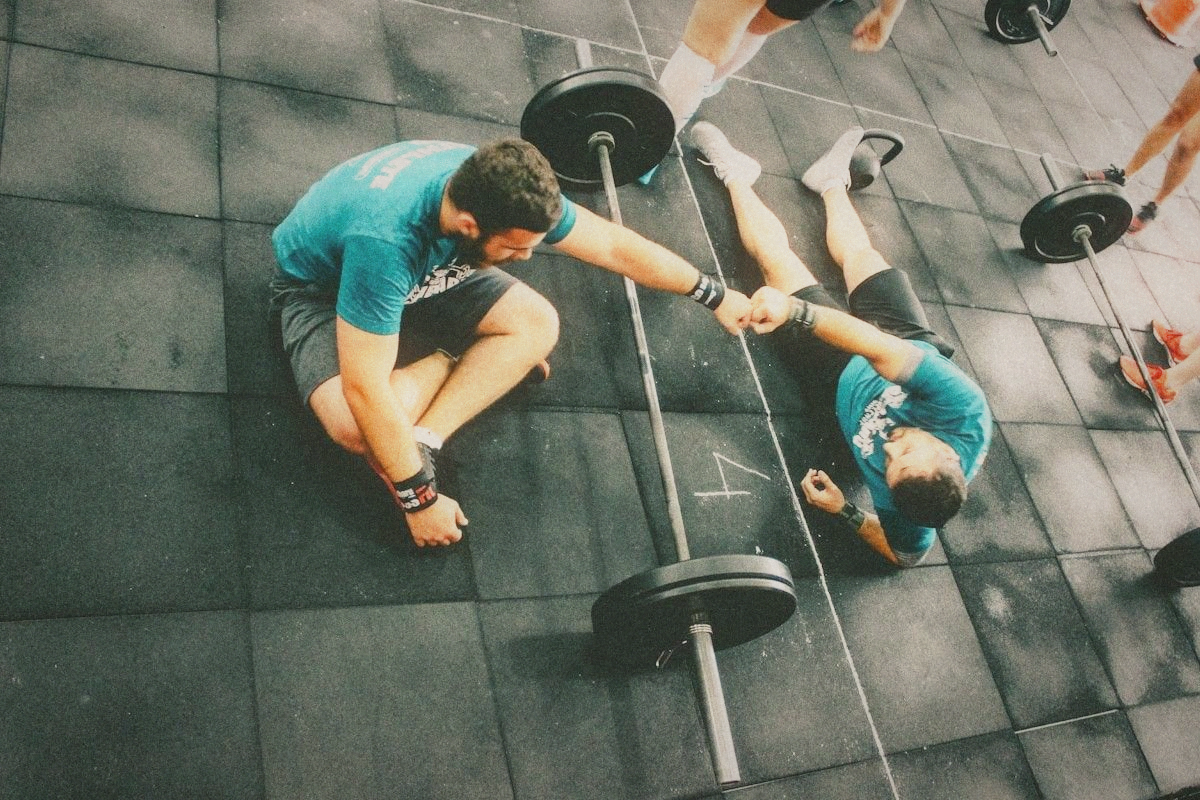
Zone 2 isn't in competition with strength training, they're synergistic. A smart longevity training week includes both.
Monday: Strength work (lower body), followed by 20 minutes easy walking to cool down in Zone 2.
Tuesday: 60-minute Zone 2 bike ride or walk.
Wednesday: Strength work (upper body), followed by 20 minutes easy movement.
Thursday: 45-minute Zone 2 walk or easy swim.
Friday: Optional shorter Zone 2 (30 min).
Saturday: Optional longer Zone 2 (90 min) or complete rest.
Sunday: Complete rest or very easy Zone 2 (20–30 min walk).
This structure accumulates roughly 3.5 hours of Zone 2 while preserving strength work and recovery days. The combination addresses both the slow decline of aging and the strength foundation you need to perform daily life.
Equipment and monitoring recommendations
Heart rate monitor. A basic fitness watch (Garmin, Apple Watch, or Whoop band) is useful. Nothing fancy is needed, just something that tracks heart rate continuously and shows you when you're drifting above your Zone 2 ceiling.
Comfortable shoes. This is non-negotiable for walking and running. Good shoes cost NT$3,000–5,000 and will last 500–800km. It's worth it.
Bike or access to one. If cycling is your choice, a basic road or hybrid bike (NT$8,000–15,000) is sufficient. Mountain biking works too. Stationary bikes are fine for bad weather.
Optional: lactate meter. If you want precise personalization, a lactate meter is worth the investment (around NT$6,000–9,000). Test during a walk or bike ride at different paces to find your exact lactate threshold.
A 4-week starter program
Week 1: Establish baseline (30 min/day, 3 days) - Mon: 30-min walk, conversational pace, track how you feel - Wed: 30-min bike ride at easy pace - Fri: 30-min walk or bike, whichever felt better
Week 2: Add one session (40 min/day, 4 days) - Mon: 40-min bike ride - Wed: 40-min walk - Thu: 30-min easy swim or walk - Sat: 40-min bike or walk
Week 3: Extend and add consistency (45 min, 4 days) - Mon: 45-min bike ride - Tue: 45-min walk - Thu: 45-min swim or bike - Sat: 45-min walk
Week 4: Assess and plan forward (cumulative 3+ hours) - Continue week 3 pattern. Measure: Do you feel different? Check resting heart rate. Notice energy levels.
By week 4, you've accumulated roughly 4–5 hours of Zone 2. Continue this for 8–12 more weeks before expecting substantial metabolic changes. After 3 months, reassess your resting heart rate and energy baseline.
Common mistakes in Zone 2 training
Going too hard. The number one error. Zone 2 is easier than you think. If you're not bored by how easy it is, you're probably not in Zone 2.
Inconsistency. One 2-hour session per week is not the same as four 30-minute sessions. Consistency matters more than volume. Daily or near-daily low-intensity work beats episodic long efforts.
Expecting immediate results. Zone 2 works, but slowly. You won't have a dramatic experience. The changes are structural and accumulate over months.
Mixing zones poorly. If you do intense training 4 days per week and Zone 2 only once, you won't get the full benefit of either. The 80/20 rule (80 percent low-intensity, 20 percent high-intensity) is a guideline.
Not monitoring effort level. Without a heart rate monitor or talk test, you'll drift into Zone 3 and think you're doing Zone 2.
Frequently Asked
Some links in this article are affiliate links. If you purchase through them,OQUA may earn a small commission at no extra cost to you. This helps support our editorial work. We only link to products and services we genuinely reference in our writing.
Comments (0)
Loading comments...