
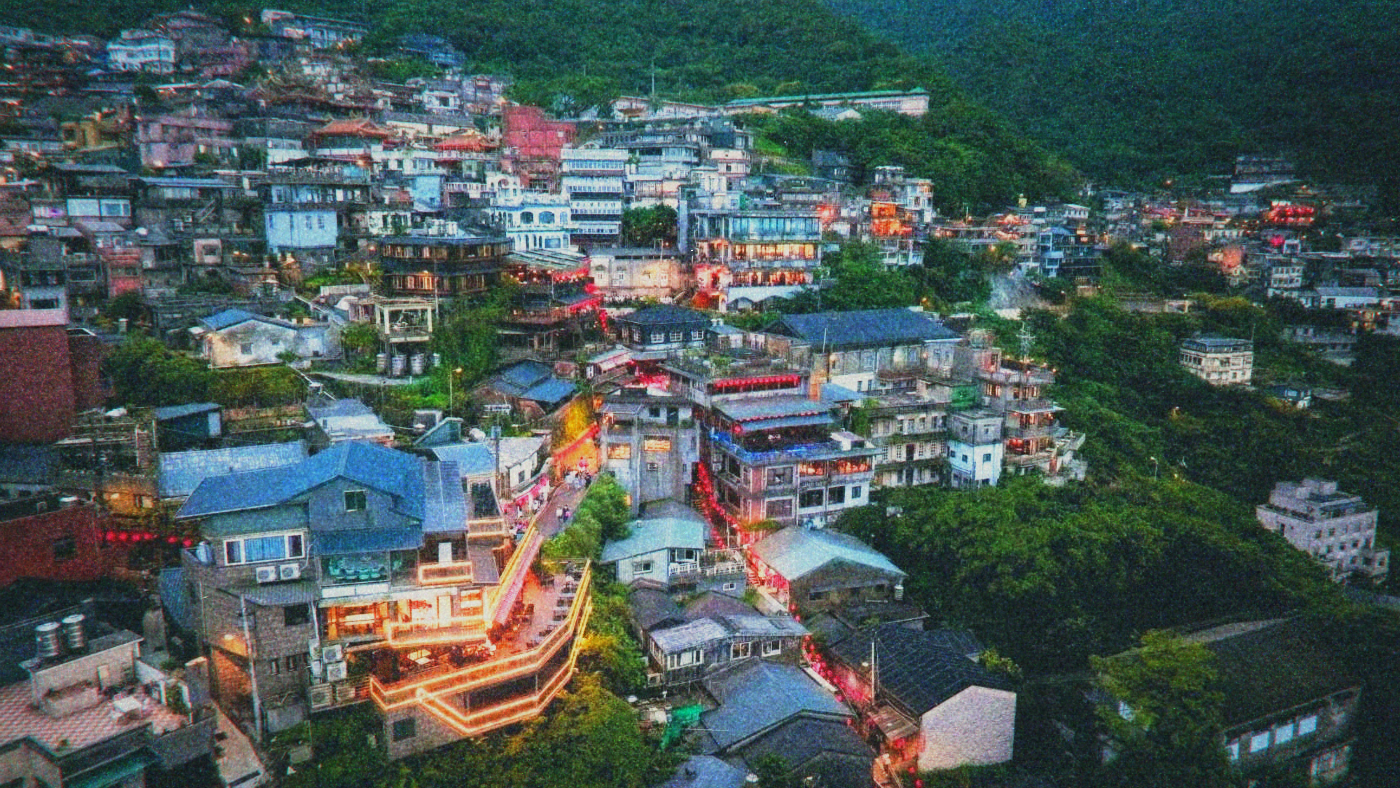
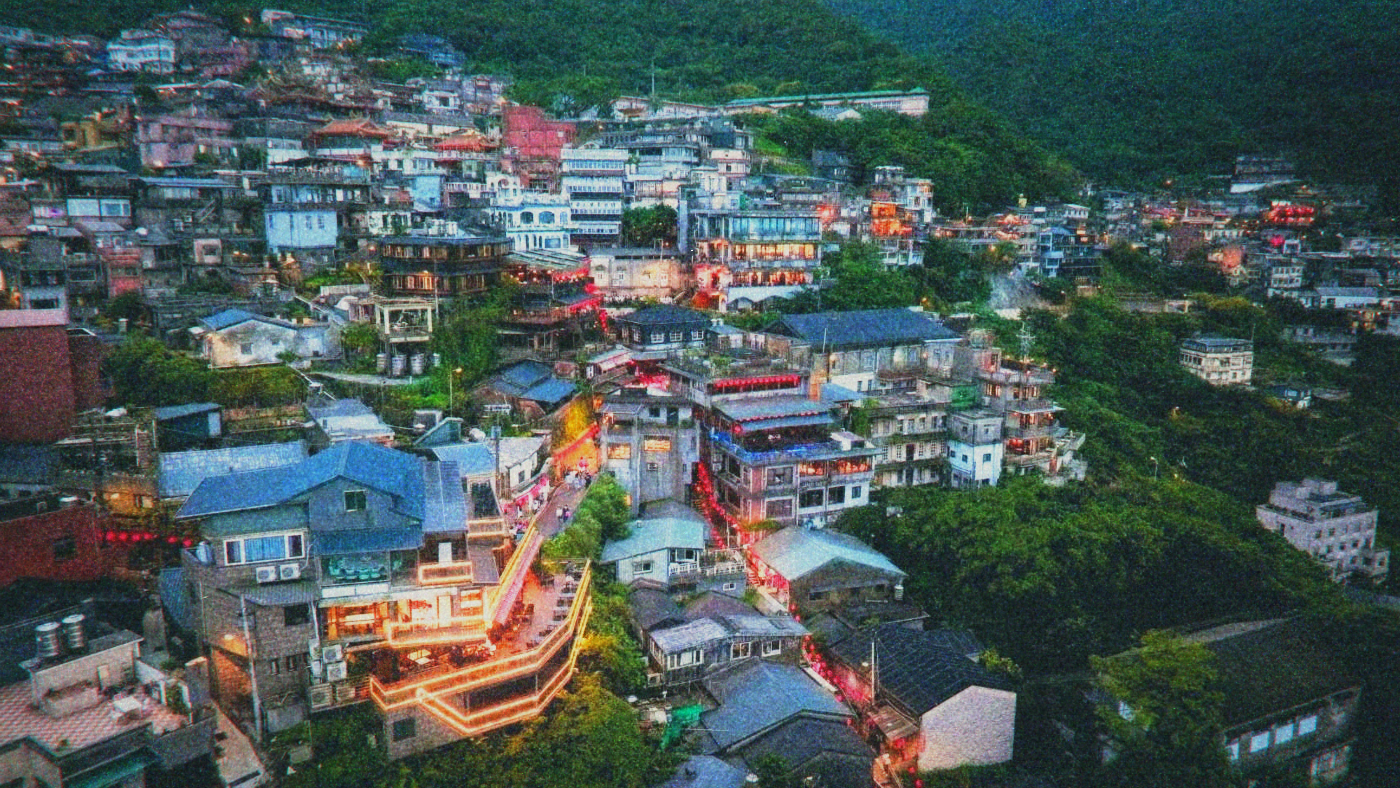
Let's address the obvious: Jiufen is, by any measure, over-photographed. The red lantern staircase, the tea house jutting over the valley, the fog rolling in off the Pacific, these images have been reproduced so many times that arriving feels like stepping inside a photo you've already seen a thousand times. On busy weekends, the main alley (Jishan Street) is shoulder-to-shoulder from noon until well past dark.
And yet.
Jiufen still works. It works because the things that made it photogenic are also the things that make it genuinely moving to be inside, the verticality of the hillside, the way the buildings stack up the mountain, the specific quality of mountain-and-sea light that makes everything glow gold in the hour before sunset. No photograph has fully captured this, because it's kinetic: you have to be walking through it, feeling the stone under your feet, breathing the salt-and-dampness air, hearing the teapots click in the darkness.
The question isn't whether to go. It's how to go.
The Timing Equation
 FIRST SIGHTWEBGLColor and grain by First Sight · Superia.First Sight 色彩與顆粒調校 · Superia
Arrive late afternoon. Stay for dusk and into dark. Leave by 9pm.
This is the entire strategy. The tour bus crowds from Taipei typically arrive between 2 and 4pm and clear by 7pm. The evening independent travelers arrive after 5pm and stay later. The sweet spot, when the lanterns are lit but the worst of the crowd has thinned, is roughly 6 to 8pm on most evenings.
The light at 4:30-6pm, when the sun is low and catching the rain-wet stone steps, the red lanterns, and the Pacific horizon simultaneously, is genuinely extraordinary. This is what the photographers are all trying to capture, and why the photos never quite do it justice, the light moves, and so do you. The older buildings seem to lean toward the glow. The teapot whistles sound closer.
Weekday vs weekend: Jiufen on a Tuesday is a different place. The alleys are walkable, the tea houses have space, and the shopkeepers are less harried. The musicians who play at the tea house entrances are more generous with their time. If your schedule allows, midweek visits in the shoulder seasons (April-May or October-November) are the highest-quality option. You'll actually hear what people are saying, and you'll actually taste your tea.
Rainy days: Jiufen in the rain is, controversially, better than Jiufen in the sun. The fog wraps the valley and turns the whole village into a stage set. The stone steps glisten with that particular shine that makes every footstep feel intentional. The lanterns become navigation lights rather than decoration. The smell of rain on ancient stone, mixed with the faint sweetness of tea leaves and the iron-and-earth scent of the old mining tunnels below, becomes the most memorable part of the visit. Bring good waterproof footwear, the steps are steep and treacherously slick. Waterproof pants help too; the fog drips onto everything.
What Actually to Eat and Drink Here
Most visitors never move beyond the main drag's tourist restaurants. The real Jiufen experience lives in the smaller stalls and quieter tea houses scattered through the perpendicular alleys.
Ailan Grass Cake (阿蘭草仔粿): Small shop tucked into Shuqi Road selling warm grass cakes with sweet red bean filling, the kind that jiggles slightly, with just enough sweetness. About NT$30-40. The owner has been making the same recipe for years. The shop is tiny, maybe 4 square meters, and often has a line. Go in the late afternoon when they're freshest.
Ajian Grandma's Taro Ball (阿柑姨芋圓): Taro balls handmade daily, usually sold from a small stall near the entrance to the old mining area. The taro is creamy and doesn't taste of artificial anything. Get them hot, poured over shaved ice with brown sugar syrup. About NT$50. Closes early, usually by 6pm. The secret is that she uses mountain taro from Taitung, not the watered-down version you find elsewhere.
Laiajpo Taro Balls (賴阿婆芋圓): The rival to Ajian Grandma's, also on Jishan Street. Both shops claim authenticity. Try both and decide, they're genuinely different. Laiajpo's version is slightly firmer and less sweet, which some prefer. Same price range, same closing time.
Head Nurse's Tea House (護理長的店): A modest shop run by a former nurse. The specialty is their house-blend oolong, sourced from a small producer in nearby Jiaoxi. They don't rush you. A pot serves 2-3 people and costs about NT$300-500 depending on the tea quality you choose. The shop has maybe 6 tables, and many afternoons they're full by 3pm. The waitstaff will reset your cup between infusions without making it feel like a production.
Nine Portions Tea House (九份茶坊): For a more extensive experience, this one sits up on higher ground with windows overlooking the valley. The tea selection is extensive, they explain each one before you order. Expect to spend NT$600-1000 per person for a proper afternoon tea service with small food pairings. It's an experience rather than a quick stop, which is the point.
The Mining History That Shaped Everything
 FIRST SIGHTWEBGLColor and grain by First Sight · Portra 400.First Sight 色彩與顆粒調校 · Portra 400
Most visitors don't realize Jiufen was once a booming gold rush town. From 1893, during the Japanese colonial era, the hills here yielded gold. The name "Jiufen" (九份) means "nine portions", a reference to nine families who pooled resources to supply mining operations when the mining was just beginning. By the 1930s, gold mining had become the economic engine of the entire region.
Then, by 1971, the mines closed. The gold ran out, or became uneconomical to extract. The town nearly died. Young people left for Taipei. Shops shuttered. By the 1980s, Jiufen was a hollow place, beautiful but hollowed out, a relic of colonial industry.
Then Hou Hsiao-hsien, the acclaimed filmmaker, shot "A City of Sadness" (悲情城市) in Jiufen in 1989. The film won the Golden Lion at Venice and portrayed the town as a living archive of Taiwan's painful 20th-century history. Suddenly, people came back to see where the film was shot. Tea houses reopened. The heritage trails were marked. By the 1990s, Jiufen had transformed into a cultural destination. The miners' stories became the town's identity.
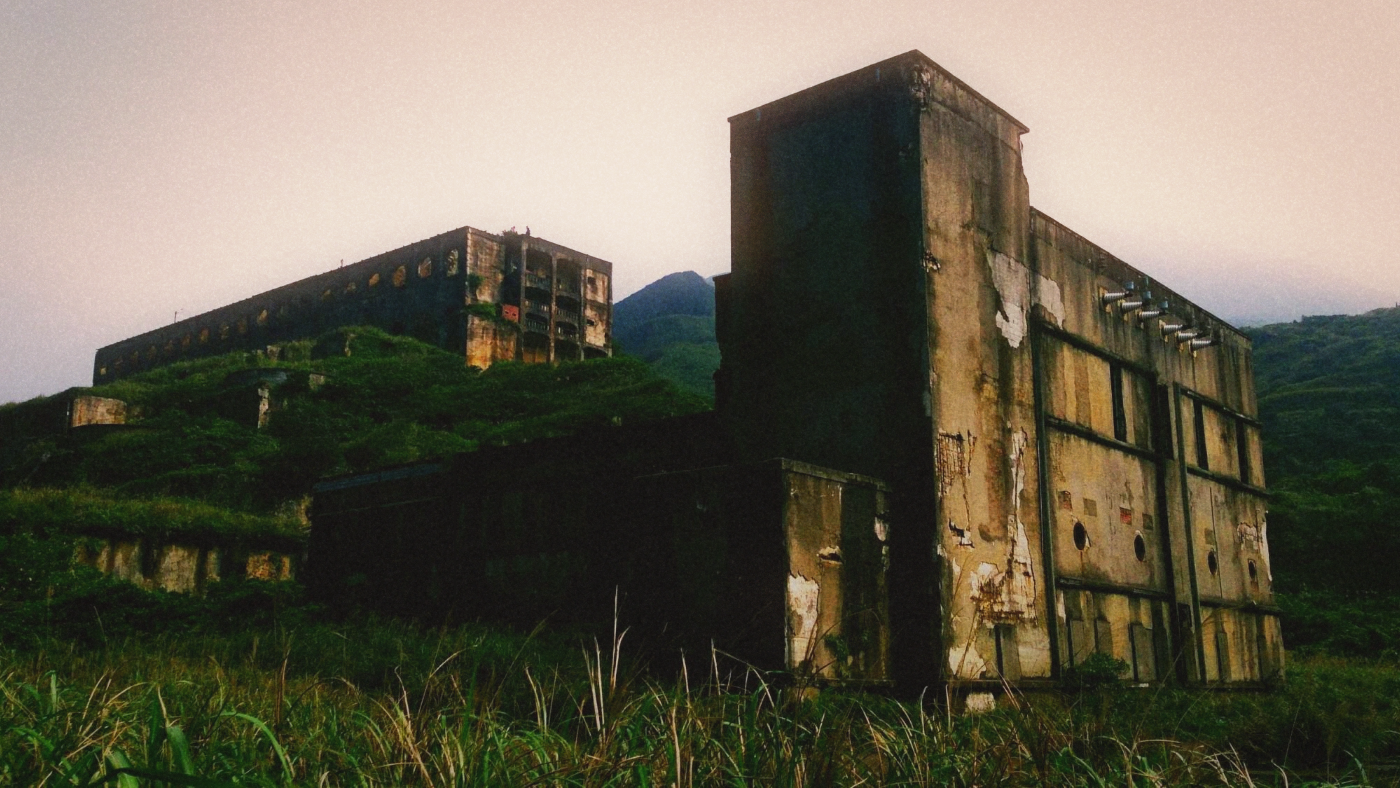
You can still see the old mining infrastructure if you look, the ore processing buildings below the main alleys, the worker quarters carved into rock faces, the narrow rail beds that zigzag down the mountainside. The Gold Museum (金瓜石黃金博物館) in nearby Jinguashi documents this history thoroughly with photographs from the 1930s-1970s, actual mining equipment, and recorded interviews with former workers. It's sobering and worth 90 minutes if you want to understand what you're walking through.
Where to Actually Go
The Jishan Street main alley is unavoidable and worth walking once to get the lay of the land, but it's not where the experience is. The experience is in the streets perpendicular to the main drag, narrower, less trafficked, leading either up to the mountain or down toward the old mining heritage area. These are the routes where you'll actually see the light change and the crowds disperse.
Shuqi Road (豎崎路): The steep stone staircase that has become Jiufen's most photographed image runs along this road. Walk it early (before 4pm) or late (after 7pm), not at peak times between 4-7pm when the light is strangest and everyone is trying to capture it simultaneously. The tea houses at the top with views across the valley are the better lunch or morning-tea option, smaller crowds, longer views, and often local customers rather than tour groups. The ceramic pieces sold at the small shops along the stairs are actually functional (not just tourist trinkets), made by potters in nearby areas.
The old mining area below: Most visitors never descend below the main alley level. This is where Jiufen's actual history lives. The industrial remains of Jiufen's gold-mining past, ore processing buildings with their wooden frames still standing, narrow rail infrastructure from the Japanese colonial era, worker housing carved into the mountainside, sit in the lower village and are both historically fascinating and almost entirely tourist-free. You'll often be alone on these trails, hearing only the wind through the building frames and the occasional call of birds. The Gold Museum in Jinguashi (adjacent, 10 minutes by taxi from the base) contextualizes the entire area with historical photographs, mining equipment, and interviews with former workers. Plan 90 minutes if the history genuinely interests you. The museum is quiet, even on weekends.
Jiufen Old Tea House (九份茶坊): Expect a wait for a window seat, sometimes 20-30 minutes during peak season, but the wait is worth the patience. The interior is genuinely beautiful with traditional woodwork, ceramic teaware from various kilns, and a menu that takes tea seriously rather than treating it as backdrop to tourism. Order a pot and sit for an hour, minimum. Watch the light change on the valley. Don't take photos. This is what Jiufen is actually for. The owner has collected tea implements for decades, and many are on display. Water is heated fresh to the right temperature for each tea type. Service is unrushed.
How Jiufen Changes Through the Year
 FIRST SIGHTWEBGLColor and grain by First Sight · Portra 400.First Sight 色彩與顆粒調校 · Portra 400
Spring (April-May): Clearest skies. The light is sharp and slightly cool. Early mornings are misty but burn off by 9am. Tourist volume begins climbing. Weekdays still manageable.
Summer (June-August): Unbearably hot and humid. The village becomes a packed gauntlet. The light is diffuse and flat, terrible for photography, which is why fewer photographers come, which paradoxically makes it less crowded than you'd expect. Rain is frequent but brief. The stone stays warm underfoot well into evening.
Fall (September-November): Sweet spot. Mild temperatures, lower humidity, clear light starting in late September. Autumn leaves appear on the nearby mountains by October. October weekdays are nearly perfect. Tourist numbers spike again in November around holiday season.
Winter (December-February): Cold and often wet. The fog lingers most days. The village feels most like it did decades ago, fewer visitors, more locals, quieter. The tea houses are warmer and cozier. The light becomes golden and moody. Bring layers and waterproof outerwear. Many visitors assume winter is bad and avoid it, which makes it unexpectedly appealing.
What to Actually Buy
Tea: Loose-leaf Wenshan Baozhong from 九份茶坊 (or other reputable tea houses) is the only souvenir that makes sense. It's local, it's genuinely good, and unlike lanterns or cheap ceramics, you'll actually use it. Expect to pay NT$800-2000 for a decent tin. Avoid the pre-packaged tea on Jishan Street, it's marked up 300% for tourists.
Pottery: The small ceramics sold at stalls along Shuqi Road are often made by local potters. A small cup or tea container (NT$200-400) is functional and actually useful. Check for the potter's mark on the bottom before buying.
What NOT to buy: The plastic lanterns, the mass-produced "lucky cats," the trinkets with faded paint, these are pure tourist volume. You'll forget you own them within a month.
Staying Overnight: Why It's Worth It
FIRST SIGHTWEBGLColor and grain by First Sight · Superia.First Sight 色彩與顆粒調校 · SuperiaMost people do Jiufen as a 3-hour evening visit from Taipei. Missing: the experience of an empty village at 10pm. Missing: sunrise fog rolling into an empty Jishan Street at 6am. Missing: the quality of light at different hours when no one else is there.
If you can stay overnight, do it. The accommodation options are limited but adequate: - Budget: Small guesthouses in surrounding Ruifang town (NT$1,000-1,500/night), basic but clean, and a 10-minute bus ride to Jiufen - Mid-range: Tea house accommodations in the village itself (NT$2,000-3,500/night), a small room above a functioning tea house, which means you experience the place more intimately - Stay through dinner, walk the village until 9pm when it's quiet, sleep, wake early for sunrise, walk again before most shops open.
Practical Info
Getting there: Bus 1062 from Zhongxiao Fuxing MRT (90 min, NT$97) OR train to Ruifang + bus (90 min total, NT$60 + NT$15-20 for bus).
Hours: The village is technically always open, but shops and tea houses operate roughly 10am-9:30pm. Weekend evenings extend later.
Price: Entrance is free. Tea at established tea houses: NT$300-800 per pot. Small food items: NT$30-80. Taro balls: NT$50.
What to bring: Good walking shoes with grip (the steps are genuinely slippery). A light waterproof jacket, even if it's not raining. A power bank if you're taking photos all evening. Layers, the temperature can drop 5-7 degrees from the base to the hilltop.
Luggage: Jiufen is stairs and narrow alleys. Avoid large backpacks. A small crossbody bag is ideal.
Some links in this article are affiliate links. If you purchase through them,OQUA may earn a small commission at no extra cost to you. This helps support our editorial work. We only link to products and services we genuinely reference in our writing.
Comments (0)
Loading comments...