
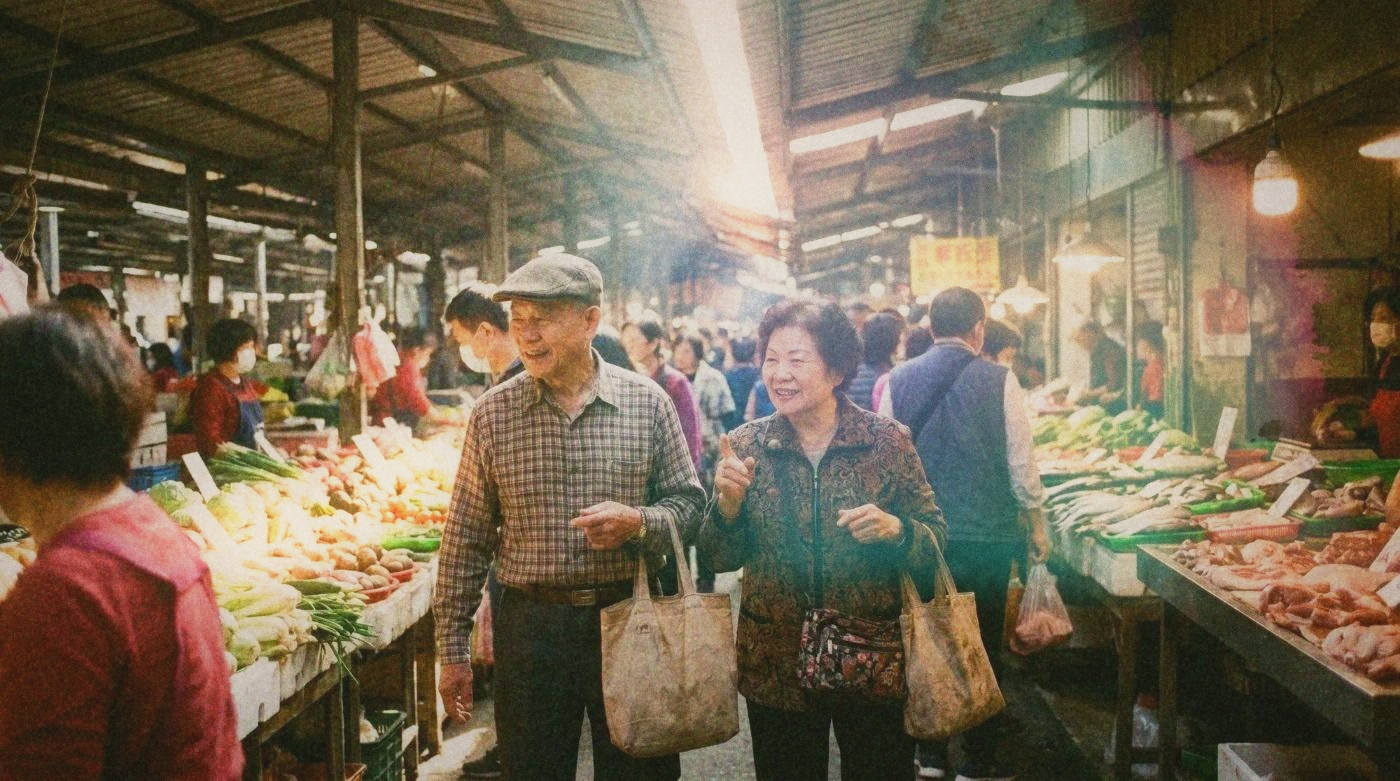
My grandmother lived to 96. She never owned a gym membership, never tracked her macros, never took a single supplement. She walked to the market every morning, cooked lunch for whoever showed up, napped after the news, and went to bed when it got dark. When I asked her once about her secret, she looked at me like the question was absurd. "I just live," she said.
The longevity industry wants you to believe that living long requires optimization. Cold plunges. Rapamycin. Continuous glucose monitors. And some of that research is genuinely interesting. But when scientists actually study the people who've made it past 100, the findings look a lot more like my grandmother than like a biohacker's Instagram feed.
The Blue Zones problem (and what survived the scrutiny)
You've probably heard of Blue Zones, the five regions where people live measurably longer: Sardinia, Okinawa, Ikaria, Nicoya, and Loma Linda. The concept took some hits in recent years. Critics questioned the demographic data, pointed out issues with birth records in rural communities, and suggested that some of the longevity numbers were inflated.
Then in late 2025, a peer-reviewed study by Steven Austad and Giovanni Pes re-examined the data and confirmed that several of these regions genuinely produce more centenarians than statistical chance would predict. The debate isn't over, but the lifestyle patterns hold up. And those patterns are remarkably consistent across cultures separated by oceans.
What the centenarians share isn't a diet or a workout plan. It's a way of living that most modern people have engineered out of their days.
Movement that doesn't look like exercise
Nobody in Okinawa does HIIT. Nobody in Sardinia has a Peloton. What they have is a life that requires constant low-level physical activity. Walking to the store instead of driving. Gardening. Kneading bread. Climbing stairs because there's no elevator.
A 2025 study in the Journal of Population Ageing found that Blue Zone centenarians don't follow exercise quotas like the recommended 150 minutes per week. They move constantly throughout the day as part of how they live, not as a separate activity they schedule.
In Taiwan, this is more achievable than most people realize. The density of cities like Taipei means you can walk to almost everything. The average Taipei resident already walks more than their counterparts in most American or Australian cities. The MRT system means you're walking to stations, climbing stairs, standing on trains. Add a morning walk through Da'an Forest Park or along the riverside bike path, and you're closer to the Blue Zone movement pattern than someone who drives to a gym for an hour of treadmill.
"I walk to the traditional market three times a week. It's not exercise. It's just how I buy vegetables."
The key insight: stop thinking about movement as something you do for 45 minutes and then stop. Think about it as the texture of your whole day.
Eating patterns that aren't really a diet
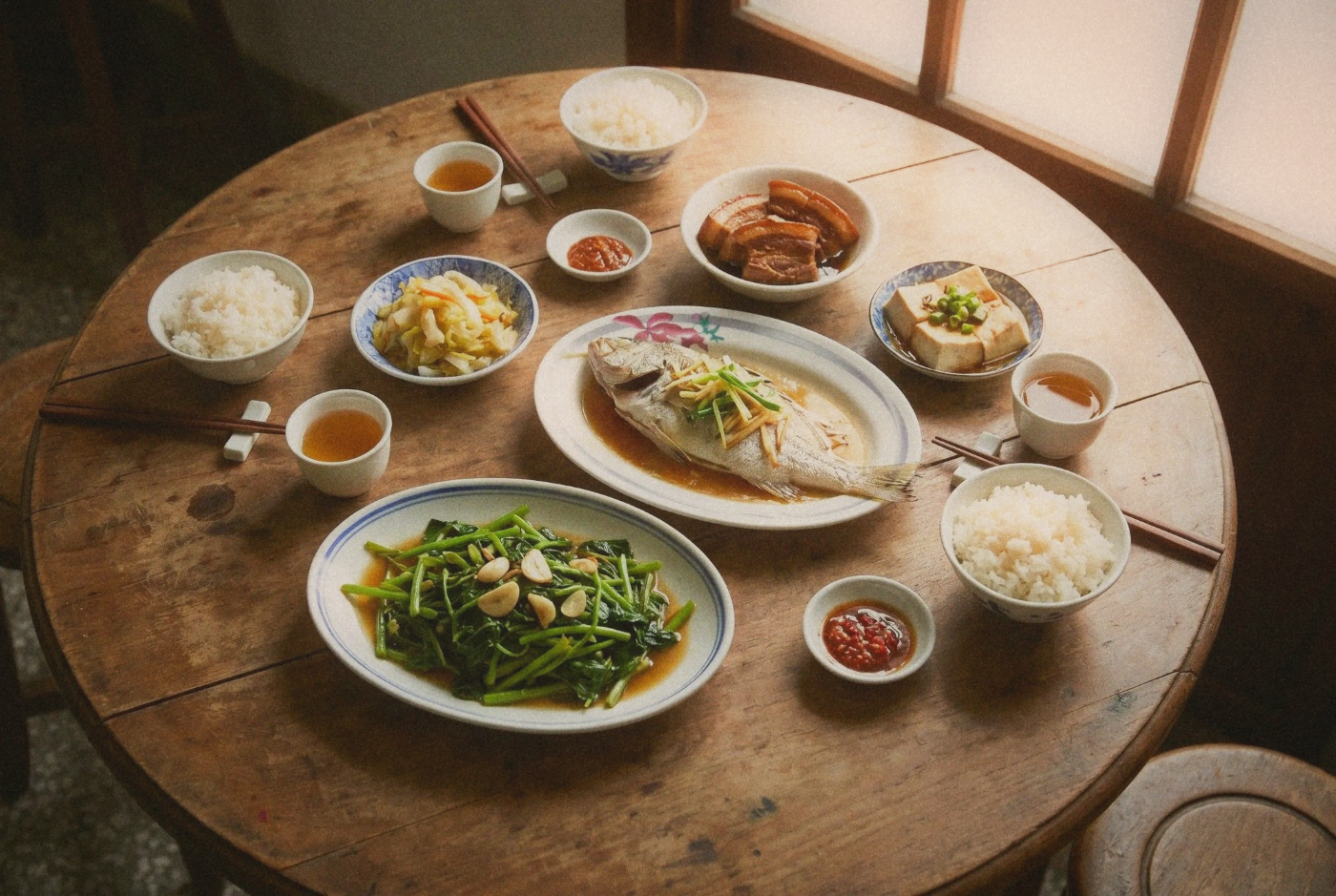
 FIRST SIGHTWEBGLTraditional Taiwanese home meal spread on a round wooden table, multiple small dishes including greens and steamed fish · Color and grain by First Sight · Portra 400. · First Sight 色彩與顆粒調校 · Portra 400
Okinawan centenarians follow a principle called hara hachi bu, eating until roughly 80% full. Sardinians eat a Mediterranean pattern heavy on legumes and whole grains with moderate wine. Nicoyans eat corn, beans, and squash with eggs and fruit.
None of these groups count calories. None of them eliminate food groups. None of them do intermittent fasting as a protocol (though many naturally eat their biggest meal at midday and eat lighter at night, which amounts to a mild time-restricted eating pattern).
What they share: mostly plants, mostly whole foods, mostly cooked at home, mostly eaten with other people. Not perfect. Not strict. Just consistent.
Taiwan already has structural advantages here. Traditional Taiwanese eating patterns are genuinely good: rice, seasonal vegetables, tofu, fish, fermented foods, soup with almost every meal. The problem isn't the cuisine. It's the erosion of traditional eating by convenience store bentos, bubble tea sugar loads, and eating alone at your desk.
The longevity move isn't adopting a new diet. It's going back to how your grandparents ate. Cook more often. Eat with people. Order the set meal at the 自助餐 with three vegetables and a protein instead of the fried chicken bento from 7-Eleven.
Social connection isn't optional
This is the one that gets undervalued in every longevity article that leads with supplements and biomarkers. In every Blue Zone, social ties are load-bearing infrastructure.
Okinawans have moai, committed social circles formed in childhood that persist through life. Sardinian men gather daily in the village square. Seventh-day Adventists in Loma Linda share a faith community that structures their week. These aren't casual friendships. They're consistent, daily, woven into the schedule.
Loneliness is now recognized as a health risk comparable to smoking 15 cigarettes a day. That statistic has been repeated so often it sounds like a talking point, but the epidemiological evidence behind it is solid.
In Taiwan, some of this social infrastructure still exists. The morning crowd at the park doing tai chi together. The regulars at the neighborhood breakfast shop who've been sitting at the same table for twenty years. The temple communities. The hiking groups.
But it's thinning. Younger Taiwanese, especially in cities, are increasingly isolated. Working late, eating alone, socializing mainly through screens. If you want to build longevity into your life, joining a regular group activity matters more than any supplement you could take.
Purpose, and why retirement might be overrated
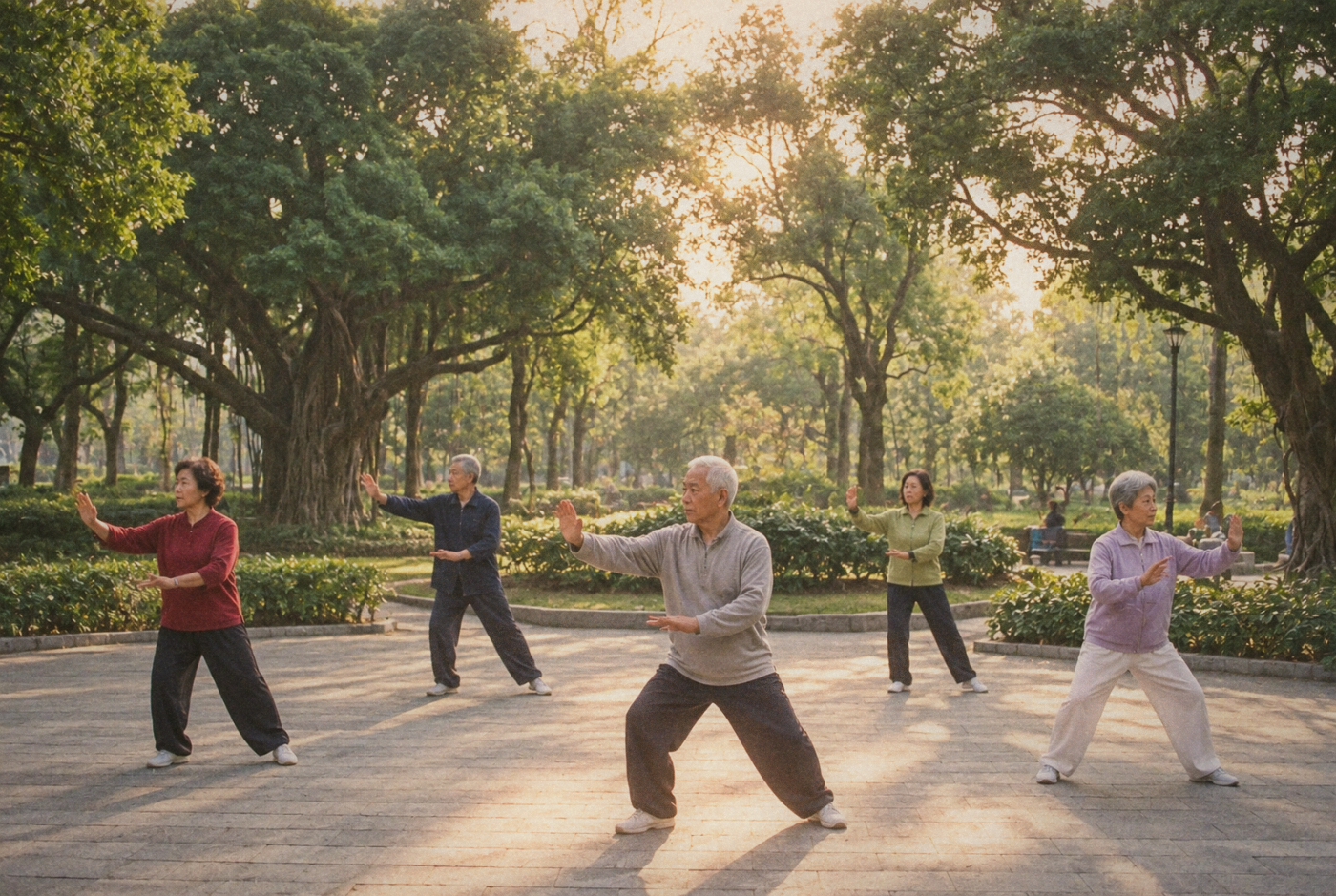 FIRST SIGHTWEBGLA morning practice, shared under the trees. · Color and grain by First Sight · Portra 400. · First Sight 色彩與顆粒調校 · Portra 400
Okinawans have a concept called ikigai, a reason for getting up in the morning. It doesn't have to be grand. It can be tending a garden, teaching a grandchild to read, or running a small shop. The point is that every day has a purpose beyond self-maintenance.
Studies consistently show that people who retire without replacing their work purpose with something else see health declines. The structure, the social contact, the sense of being needed, all of it contributes.
In Taiwan, you can see this clearly at any morning park visit. The elderly people doing exercises, playing chess, walking dogs, helping at temple cleanups. They're not just killing time. They have somewhere to be and something to do. That matters.
Sleep, stress, and the quiet stuff
Centenarians across Blue Zones share two more patterns that are easy to overlook: they sleep well and they manage stress through daily rituals rather than occasional vacations.
Sardinians have aperitivo. Okinawans spend time in their gardens. Ikarians nap. The common thread isn't the specific activity but the daily rhythm of downshifting. Not waiting until you're burned out to take a break. Building small recoveries into every single day.
In a Taipei context, this could be an afternoon tea ritual, a 20-minute walk after dinner, or simply going to bed at the same time every night instead of scrolling until midnight. The evening wind-down matters more for long-term health than most people are willing to accept.
The actual blueprint
If you distilled the centenarian research into a daily pattern, it would look something like this:
Week 1-2: Foundation. Walk 30+ minutes daily (not gym, just walking). Cook at least one meal at home per day. Set a consistent bedtime. These three changes alone move the needle more than anything you can buy in a bottle.
Week 3-4: Social structure. Join one recurring group activity. Could be a hiking club, a cooking class, a language exchange, a morning tai chi circle. Something that puts you with the same people at the same time each week.
Week 5-6: Eating rhythm. Eat the biggest meal at midday. Eat lighter at night. Eat with others whenever possible. Reduce (don't eliminate) processed food and sugar.
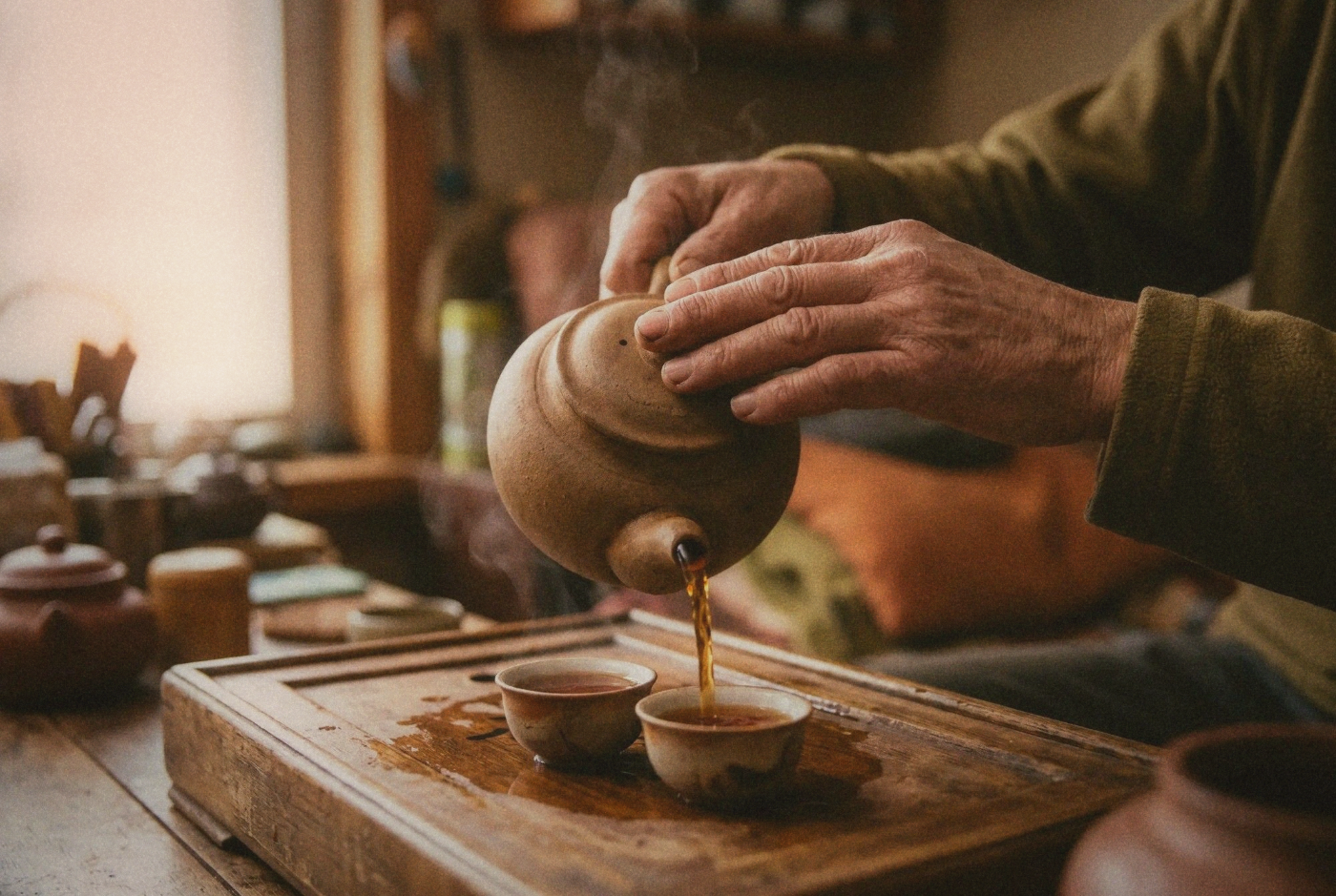 FIRST SIGHTWEBGLClose-up weathered hands pouring tea from a clay teapot into small cups on a wooden tea tray · Color and grain by First Sight · Portra 400. · First Sight 色彩與顆粒調校 · Portra 400
Week 7-8: Purpose and rest. Identify one ongoing project or commitment that isn't work. Build a daily wind-down ritual, even if it's just 15 minutes of tea with no phone.
What centenarians don't do
They don't track biomarkers obsessively. They don't take 20 supplements. They don't follow influencers. They don't worry about optimizing every variable.
The research is consistent: the people who live the longest aren't trying to live the longest. They're living in a way that happens to produce longevity as a byproduct. The community, the movement, the food, the purpose, the rest. None of it is optimized. All of it is consistent.
That might be the most important distinction. Consistency beats intensity. Showing up to the same park, the same market, the same friends, the same quiet evening ritual, day after day, year after year. It's not exciting. But it's what actually works.
FAQ
How much of longevity is genetics versus lifestyle? Studies of twins suggest genetics account for roughly 20-30% of lifespan variation. The rest is lifestyle and environment. That means most of what determines how long you live is within your control.
Do I need to move to a Blue Zone to benefit? No. The point isn't the geography, it's the lifestyle patterns. You can build Blue Zone habits anywhere. Taiwan's existing food culture, walkability, and social infrastructure actually make it easier than many Western countries.
What about supplements and anti-aging drugs? Some research on rapamycin, NAD+ precursors, and metformin is promising but preliminary. No supplement has the evidence base of the lifestyle factors described above. Start with sleep, movement, food, and social connection before spending money on pills.
Is it too late to start if I'm already 50 or 60? Research shows health benefits from lifestyle changes at any age. People who start exercising in their 60s still see significant improvements in cardiovascular health and cognitive function.
Comments (0)
Loading comments...